Plastic to Power: Converting Waste Into Hydrogen to Change World
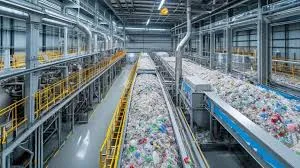
The amount of plastic garbage generated in the US is expected to reach 220 million tons in 2024, up 7.11% from 2021, according to forecasts. A large amount of this trash is treated improperly, which has detrimental effects on the ecosystem. The majority of recyclable plastics, such as PET, HDPE, and PP, end up in landfills, the ocean, or are burned. Only 19.8% of these polymers are really recycled. China's economy Theoretically, September 5 is "Plastic Overshoot Day," when the amount of plastic garbage produced exceeds the planet's capacity to handle it. The amount of plastic garbage generated per person in states like Michigan, Indiana, and Illinois is the highest, making this a critical problem in the United States. The process of turning plastic trash into hydrogen fuel offers a potential resolution to this problem. This procedure offers a renewable energy source in addition to addressing the problem of plastic pollution. Plastic trash can be broken down using techniques like pyrolysis to obtain hydrogen, which can then be utilized as a clean energy substitute. The simultaneous benefits of generating energy and reducing waste have the potential to completely change the renewable energy and environmental management sectors, turning trash into a valuable resource that could power the entire planet.