Personal Electric Vehicles Are Becoming More Popular in Cities
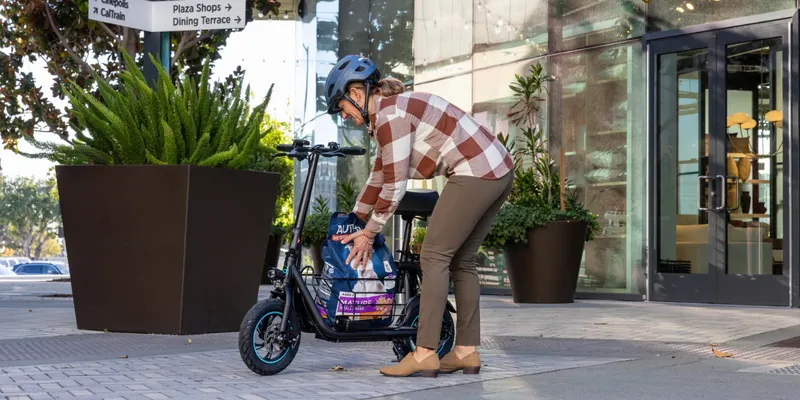
City travel is changing faster than ever. More people are now looking for simple, smart ways to get around without dealing with traffic or high fuel costs. This is why personal electric vehicles are becoming so popular in cities.
From e-scooters to e-bikes, these options are easy to use, save time, and need less space. They also help reduce pollution, making cities cleaner and quieter. As daily travel becomes more challenging, people are turning to these modern solutions for comfort and convenience. In this blog, we’ll explore why this trend is growing and what it means for urban travel.
Defining What Actually Falls Under the PEV Umbrella
The category has grown broader than most people realize, and knowing what's out there is the first step toward figuring out what fits your routine.
The Vehicles City Commuters Are Actually Using
E-bikes for commuting span an enormous range, from folding models compact enough to bring onto public transit to heavy-duty cargo builds that comfortably haul groceries or a child seat, and everything in between.
Electric scooters occupy the lighter end of the spectrum, available shared or owned, seated or standing. Beyond those, electric mopeds, e-skateboards, and increasingly capable compact urban EVs are entering the conversation.
Retailers are reflecting this expanded landscape. Street rides stocks everything from approachable entry-level commuter scooters to high-performance models boasting 1,500W motors and up to 80 km of range, which tells you something about how seriously this market is being taken.
PEVs vs. Cars and Transit: Where They Win
Personal electric vehicles earn their place on trips between zero and five miles. They outmaneuver cars in parking. They beat transit on flexibility and scheduling. They outperform conventional bikes when hills, sweat, or distance are factors. They aren't positioned to replace buses or subway systems; what they do is get you to those systems faster and more reliably.
Why Urban Adoption Is Accelerating
Multiple forces are colliding simultaneously, and that collision is driving adoption at a pace most urban planners honestly didn't anticipate.
The Economic and Lifestyle Case
Congestion fees are climbing. Parking in dense neighborhoods can cost more per month than some car payments. Ride-hail fares have crept upward significantly.
Micromobility in urban areas addresses all three friction points for the short trips that dominate most people's daily travel. A hybrid worker commuting two or three days per week doesn't need a full vehicle payment hanging over them; they need something dependable on a Tuesday morning.
The numbers back this up. In 2023, trips taken on shared bike and scooter systems reached an all-time record of 157 million across the U.S. and Canada. Personal ownership trends are climbing alongside that of shared usage.
Environmental Impact That's Actually Measurable
Urban electric transportation carries genuine climate credentials. E-scooters emit roughly 5% of what an electric car produces per kilometer, a striking figure. Even modest substitution of short car trips with electric scooters in cities registers as real, measurable CO₂ reduction in daily urban travel patterns. For municipalities chasing emissions reduction targets, that's increasingly hard to ignore.
The Tangible Advantages of Making the Switch
The practical benefits tend to land harder than most people expect, particularly once they've actually ridden one for a few weeks.
Time Recovered. Money Retained.
Annual operating costs for a typical e-bike or scooter owner represent a fraction of car ownership expenses. No fuel. Minimal maintenance. Zero parking fees. For delivery couriers and gig workers, those reduced operating costs translate directly into better per-shift earnings.
Studies found that 37% of shared micromobility trips replaced car rides. That's a meaningful modal shift, not theoretical displacement, but actual commute behavior changing at scale.
The Wellbeing Factor Deserves a Mention
There's something genuinely different about arriving somewhere under open sky rather than emerging from gridlocked traffic. Light physical activity from pedaling an e-bike accumulates quietly across weeks. Riders consistently report better daily mood once they've swapped the highway backup for a bike lane, hard to quantify but consistently mentioned.
Micromobility in urban areas is also extending mobility access to people with moderate physical limitations, enabling trips that would otherwise require a car and quietly expanding independence for a wider segment of the population.
The Challenges That Still Need Honest Attention
The growth of this speed always creates friction. Acknowledging that honesty is important.
Safety Data Worth Taking Seriously
E-scooter injuries in the U.S. rose 80%, reaching nearly 116,000 cases in 2024. That's a significant figure, and it reflects a widening gap between surging ridership and infrastructure that simply hasn't kept pace. Mixed traffic conditions, sidewalk riding, and inconsistent helmet use are the primary contributing factors.
Policy Is Catching Up Slowly
Protected lanes remain scarce in most North American cities. Regulations governing where electric scooters in cities can legally operate, speed limits, and permitted parking locations vary enormously from one municipality to the next. Riders frequently face an uncomfortable choice between crowded sidewalks and fast-moving vehicle traffic, neither ideal.
Ownership vs. Shared Access
Shared services make clear sense for casual or occasional riders. But if you're commuting three or more times weekly along a consistent route, personal ownership typically pays for itself faster than most buyers anticipate going in.
Frequently Asked Questions
Are personal electric vehicles genuinely better for the environment than cars?
For short urban trips, yes, substantially. E-scooters generate roughly 5% of an electric car's emissions per kilometer, and e-bikes for commuting regularly displace full car trips, producing measurable CO₂ reductions across daily travel.
How far can you realistically commute before range becomes a limiting factor?
Most city-oriented models manage 25–50 km per charge without difficulty. For urban commutes under 10 miles each direction, modern battery technology makes range anxiety largely a non-issue.
Do PEVs actually ease congestion, or do they just introduce different chaos?
Evidence from cities like Lyon indicates micromobility in urban areas can replace up to 4% of car trips. At a genuine scale, that represents real congestion reduction, not noise reduction.
What This All Points Toward
Personal electric vehicles aren't filling a trend-shaped hole; they're addressing a structural gap between walking and driving that urban planning has neglected for decades.
Lower operating costs, faster short-distance travel, reduced emissions, and a daily commute that stops feeling adversarial are concrete, everyday benefits. Safety and infrastructure challenges are genuine, but neither is insurmountable.
Whether you're considering your first purchase or simply watching how urban electric transportation matures, the trajectory is clear. These small, efficient, clean vehicles have earned a permanent place in how modern cities move , and the cities that embrace them earliest will likely be the ones that function best.