Panipat Handloom Industry Considers Shift to Uttar Pradesh Amid Growing Challenges
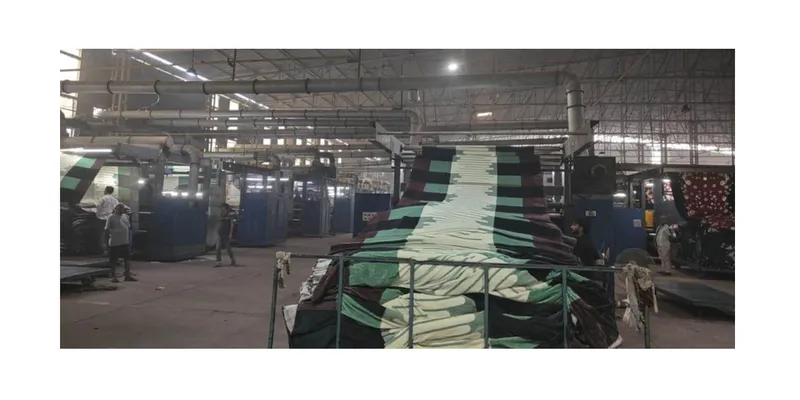
Industrialists weigh relocation to non-NCR districts as water shortages, pollution restrictions and gaps in common infrastructure affect operations
Panipat’s handloom industry is facing growing operational challenges, prompting several industrialists, including major exporters, to consider shifting their units to non-NCR districts of neighbouring Uttar Pradesh. Concerns include restrictions linked to the National Capital Region (NCR), inadequate basic and common facilities and shortages of water.
The proposed relocation comes as officials from the Uttar Pradesh Industries Department seek to attract Panipat industrialists by offering incentives and infrastructure facilities. The issue was also discussed at a recent meeting of exporters, where facilities available in Haryana and Uttar Pradesh were compared.
Panipat’s industrial sector has an annual turnover of around ₹65,000 crore, comprising nearly ₹20,000 crore in exports and ₹45,000 crore from the domestic market. The cluster has around 400 exporters supplying carpets, cushions, bed linen, blankets, curtains, bath mats and other products to markets including the US, UK, Europe, Japan, Australia and Gulf countries.
More than 20,000 small and large units operate in the cluster, employing over four lakh people.
Uttar Pradesh offers incentives to attract industrial units
Lalit Goel, president of the Exporters’ Association, said officials from Uttar Pradesh approached Panipat industrialists during a recent trade fair in Noida and offered incentives and subsidies for establishing units in the state.
“Panipat industries are now recognised at the global level, but it is in the NCR, due to which the industrialists have to face several issues in running their industries,” he said.
According to Goel, the incentives being offered by Uttar Pradesh include capital subsidy of up to 50% for plant and machinery, land-cost subsidy, full exemption from stamp duty and electricity duty for 10 years, fixed power charges for five years and employment subsidy for five years.
He added that the state was also offering freight subsidy of 25 to 75% for new garmenting units, along with common facilities covering roads, power, water, zero liquid discharge and training.
Exporters discuss relocation concerns
Vinod Dhamija, president of the Haryana Chamber of Commerce and Industries, Panipat chapter, said relocation to Uttar Pradesh had become a prominent topic of discussion among exporters.
“UP officials are also in touch with several industrialists here and the industrialists are also making up their minds to relocate their industries there,” he said.
Dhamija said Uttar Pradesh was assuring better common facilities, while Panipat continued to face gaps in infrastructure such as zero liquid discharge, common boilers and uninterrupted power supply.
“Even, free zones have been ended in Panipat, which is a big setback for the expansion of industries here,” he said.
Industry seeks stronger support from Haryana
Ramesh Verma, president of the Handloom Exports Manufacturer Association, said the Haryana Government needed to address the concerns of the industry.
“We have spent 50-60 years developing Panipat as Handloom City. If only 10% exporters moved to UP, then it would be a big loss to the state,” he said.
Rakesh Jain, vice-chairman of the Handloom Export Promotion Council and a member of the exporters’ association, identified NCR-related pollution restrictions and inadequate water supply among the industry's major concerns.
“The textile industry is based upon water, and it needs plenty of water, but the government has failed to provide sufficient required water to the dyeing industry,” he said.
Jain said zero liquid discharge and a common boiler had remained major demands of the industry for years.
He also said Uttar Pradesh had approached the Handloom Export Promotion Council to promote its handloom products in overseas markets. The council has signed an MoU with the state government to organise an expo in Uttar Pradesh, with overseas buyers and Panipat exporters invited to participate.
The developments have placed infrastructure, water availability, pollution-related restrictions and industrial incentives at the centre of discussions about the future location of Panipat’s handloom manufacturing units.