Padma Doree Makes Debut in New Delhi Showcasing Chanderi and Eri Silk Fusion
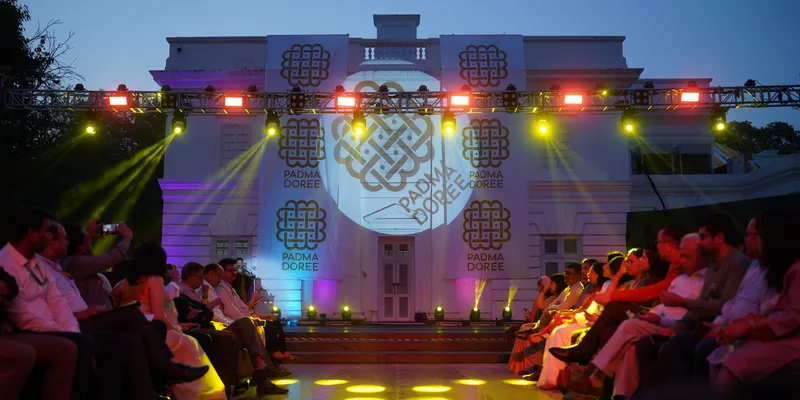
Padma Doree debuted in New Delhi this week, marking the first time the handwoven traditions of Chanderi and Eri Silk have been brought together in a single textile. Over three days from 1–3 May 2026, thirteen designers presented original garments made entirely from Padma Doree.
The presentations included a range of silhouettes from structured forms to layered and fluid designs. The showcase presented the textile as a design resource applicable across occasion wear, contemporary fashion, and experimental garment-making.
"India has always had the world's greatest textiles. Padma Doree is an argument for what happens when those traditions stop existing in isolation and start talking to each other," said Team Padma Doree.
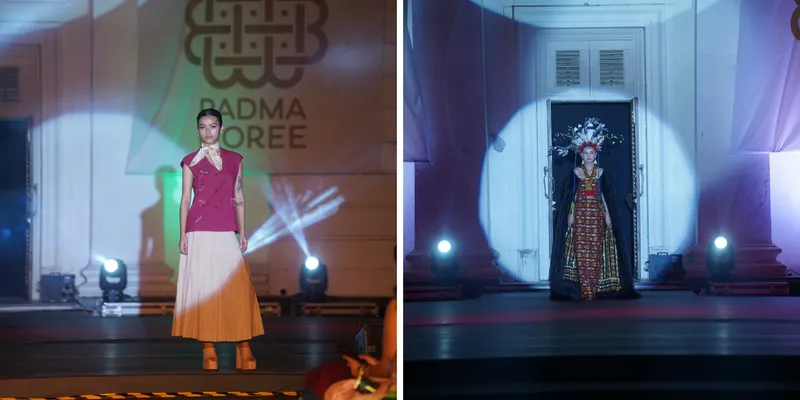
Following the formal unveiling of Padma Doree on 1st May, participating designers included Revika Raj Rathore, Tuhina Shukla, Nivedita Banerji, Anas Sheikh, Aditi Gupta, Samarth Khanna, Manujshree Saikia (Ura Maku) - Assam, Yachi Natung Taniang- Arunachal Pradesh, Robert Naorem- Manipur, Lalrinfela (Fungki) - Mizoram, Asenla Jamir (Otsu Clothing) - Nagaland, Iba Malai (Kiniho Clothing) – Meghalaya, Sonam Karma Bhutia (kuzu) - Sikkim and Dipayan Debbarma- Tripura.
Each designer created two Padma Doree looks in addition to selected pieces from their existing collections. The format was designed to present how the textile functions independently and within each designer’s established work. Some designs highlighted the texture and weight of Eri Silk, while others focused on the lighter properties of Chanderi, resulting in variations across minimal and statement-based designs.
Alongside the showcases, artisans and craftspeople from Northeast India and Madhya Pradesh were present in the exhibition space. They displayed their work and also shared documentation of Padma Doree’s development process. Dedicated presentation spaces were provided to keep the production chain from fibre to finished garment visible.
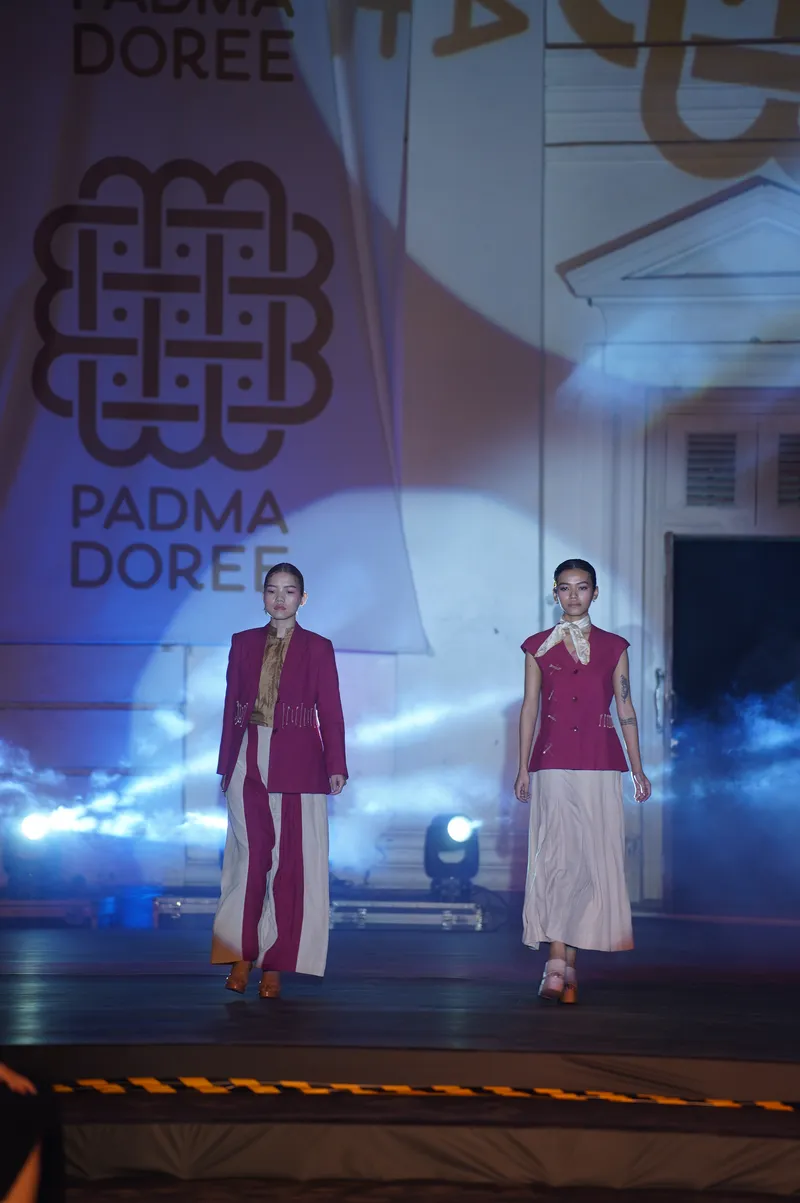
The structure placed designers and artisans on a shared platform, reflecting the stated approach of Padma Doree that textile development involves participation across the full ecosystem.
Padma Doree is described as a collaborative textile initiative combining the weaving traditions of Chanderi, Madhya Pradesh, and Eri Silk production from Northeast India. It is developed through ongoing engagement between craftspeople, regional industry, and contemporary designers with the stated aim of creating a material rooted in Indian craft heritage and applicable to modern fashion practice.