Pacific Textiles (F.Y. 2024-25)

Executive summary
Pacific Textile Holdings Ltd is a leading manufacturer of cotton and synthetic knitted fabrics for some of the world's most respected apparel companies. In the financial year ending 2025, the business generated revenues of HK$5.06 billion, an increase of 6.7 per cent year-on-year. Profits remained flat at HK$167.6 million. Despite the challenges caused by Typhoon Yagi on the production of the company’s products in Vietnam, the company was still able to make profits owing to its sound managerial activities.
Company Overview
Pacific Textiles Holdings Limited is a leading textile manufacturer with a focus on high quality knitted fabrics from cotton and synthetic fibres. This is one of the dominating producers of knitted fabrics in Asia, established in 1997. It is listed on the Hong Kong Stock Exchange, and works with well-known global apparel brands. The Group has manufacturing sites in China and Vietnam providing efficient production and supply chain support. It is composed mainly of knitting, dyeing, finishing and trading in textile products. At the heart of the company is innovation, product quality and research and development. It also advances sustainable manufacturing through environmental and energy conservation programs. Pacific Textiles is still building up its capacity, particularly in Vietnam. The company has a competitive position in the world textile industry through strong customer relationships and advanced technology.

Industry overview
The textile industry is one of the leading industries that manufactures and delivers clothes worldwide. The need for the product is generated through the fashion industry and sports clothing. Textiles made through knitting have become increasingly popular because of their comfort and flexibility. Some of the main companies producing textiles nowadays include China, Vietnam, India, and Bangladesh. Automation as well as sustainable manufacturing techniques have become commonplace in the industry. Due to increased consciousness about the environment, there is a growing market for sustainable products. There are some difficulties facing the industry such as stiff competition from other industries, cost of production, uncertainties with trade agreements, and volatile prices of raw materials. But the outlook for the industry is promising.
Financial Performance (Year ended 31 March 2025)
Particulars | 2025 (HK$’000) | 2024 (HK$’000) |
Revenue | 5,057,570 | 4,739,010 |
Cost of sales | (4,673,585) | (4,241,573) |
Gross profit | 383,985 | 497,437 |
Other income and other gains – net | 36,979 | 15,576 |
Reversal of/(provision for) impairment of trade receivables | 367 | (724) |
Distribution and selling expenses | (55,737) | (42,478) |
General and administrative expenses | (165,280) | (194,285) |
Operating profit | 200,314 | 275,526 |
Finance income | 34,204 | 42,388 |
Finance costs | (61,630) | (60,481) |
Share of profits of associates | 21,369 | 9,625 |
Impairment of interests in an associate | - | (64,196) |
Profit before income tax | 194,257 | 202,862 |
Income tax expense | (34,840) | (30,404) |
Profit for the year | 159,417 | 172,458 |
Source :- Annual Report 2025 of Pacific Textiles.
Key Financial Ratio
Particulars | 2025 | 2024 |
Gross Profit Margin | 7.6% | 10.5% |
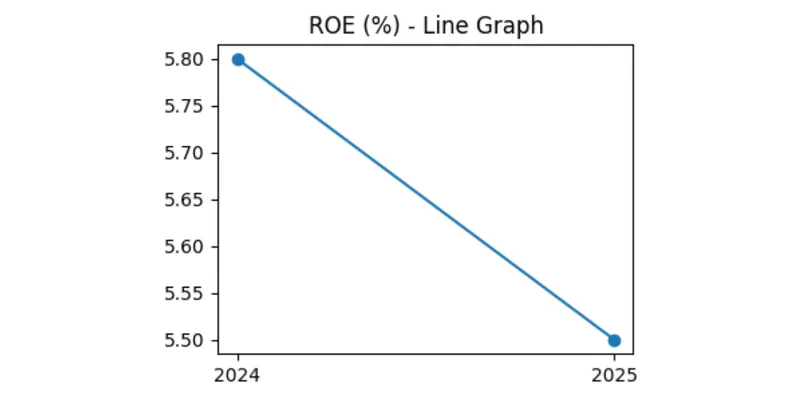
Return on Equity | 5.5% | 5.8% |
Interest on Coverage | 4.4 | 4.0 |
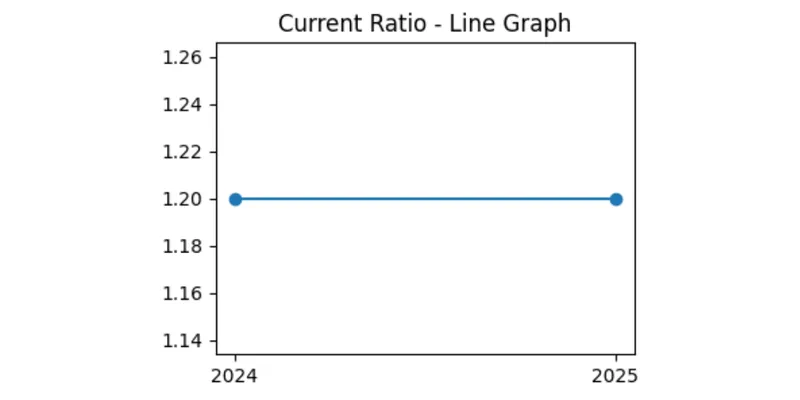
Current Ratio | 1.2 | 1.2 |
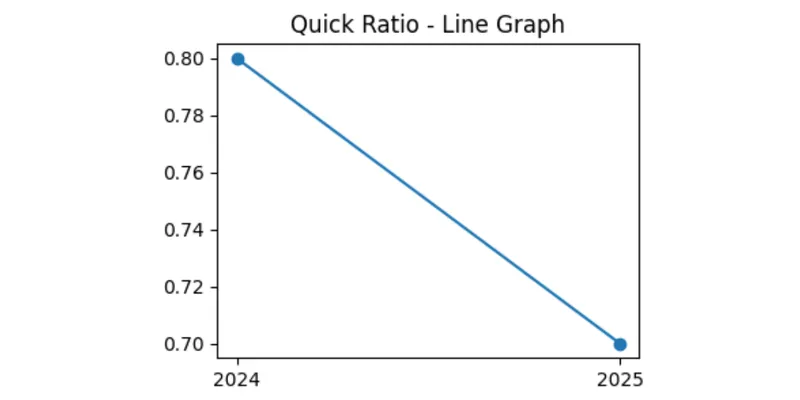
Quick Ratio | 0.7 | 0.8 |
Gearing Ratio | 47.1% | 50.2% |
Debt | 84.2% | 87.6% |
Source :- Annual Report 2025 of Pacific Textiles.
SWOT Analysis
Strengths 1.The company is leading in manufacturing of knitted fabrics with a strong position in the textile industry. 2.The company is producing in both China and Vietnam which provide operational flexibility and cost advantages. 3.The company has strong international brands. | Weaknesses 1.The company heavily depends on the textile and apparel industry. 2.Production or operation are related to fluctuation in raw material and energy costs. 3.Business can be affected by natural disasters, as seen in the disruption caused by Typhoon Yagi in Vietnam. 4.The company is highly dependent on the export market and global economic conditions. |
Opportunities 1.The business is growing global demand for sustainable and textile products. 2.Through expansion of business in Vietnam which supports future growth. 3.The company is adopting digitalization and automation to improve efficiency. | Threats 1.There can be global trade tension, tariff, and uncertainties in geopolitics which may affect exports. 2.The company has competition from textile manufacturers in China, India, Bangladesh, and Vietnam. |
Conclusion
During F.Y.2025, the company had a strong position . The company faces challenges such as global economic uncertainty, trade tension, and operational disruptions caused by Typhoon Yagi. The company has strengthened its position as a leading knitted fabrics manufacturer through strong production capacity, customer relationships, and innovation. The company has expanded its business in Vietnam which focuses on sustainability, and investing in advanced technology will help the company to grow in future. There are other risk factors for increased costs in the business. Pacific Textiles has established itself in terms of sustainable and valuable textile production. The company is well-grounded in its operations and future growth plans.