Ozone Generators: The Future of Water & Air Purification
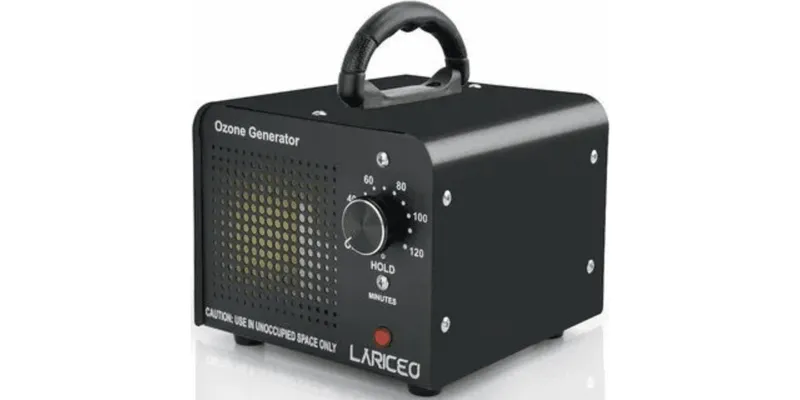
In today’s world, where environmental safety and public health are critical priorities, demand for advanced purification technologies is surging. Ozone generators, once considered a niche solution, are now emerging as a powerful tool for water and air purification across industries. Their ability to disinfect, deodorize, and oxidize contaminants positions them as a reliable and sustainable alternative to traditional systems.
Concerns over deteriorating air quality and contaminated water supplies, intensified by urbanization, industrial pollution, and climate change, have amplified the need for effective solutions. Ozone generators, which produce ozone gas as a natural oxidant, neutralize bacteria, viruses, and pollutants without relying on harsh chemicals such as chlorine, offering a cleaner, residue-free approach.
Unlike chlorination and UV-based treatments that create harmful byproducts or leave residual risks, ozone generators are efficient, fast-acting, and leave no chemical traces, as ozone naturally reverts to oxygen. This makes them suitable for applications such as municipal water treatment, healthcare sanitation, food processing, and wastewater management.
Water treatment remains a major growth driver, with municipalities, recreational facilities, and the food and beverage sector increasingly adopting ozone for safe, chemical-free purification. In air treatment, ozone generators tackle indoor pollutants like VOCs, mold, and pathogens while eliminating odors, making them valuable in healthcare, hospitality, and residential spaces.
Sustainability is another advantage, as ozone systems reduce chemical use, minimize ecological impact, and help industries comply with stricter environmental regulations. By lowering harmful discharges and emissions, ozone technology aligns with global efforts toward cleaner, eco-friendly operations.
Technological advances in ozone generation—such as cold plasma systems, dielectric barrier discharge, and AI-driven monitoring—are making the systems more energy-efficient, reliable, and scalable. Adoption is strong in North America and Europe, while Asia-Pacific is rapidly catching up due to industrialization and growing pollution challenges.
Although initial costs and safety considerations present hurdles, growing awareness, regulatory support, and technological innovation are expected to overcome these barriers. Looking forward, ozone generators are set to play a pivotal role in global purification strategies, expanding into agriculture, advanced medical sterilization, and beyond, as industries and governments push for safer, more sustainable solutions.