NIFT International Conference 2026 Concludes, Highlighting Inclusive Design Innovations
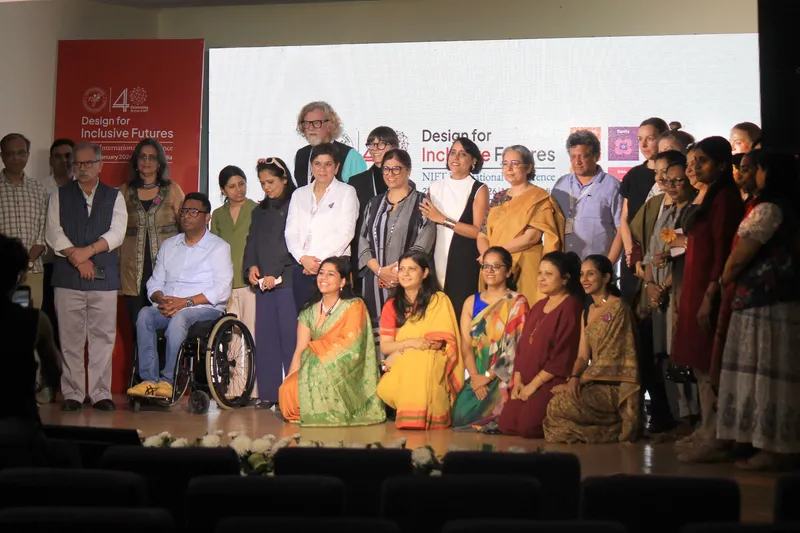
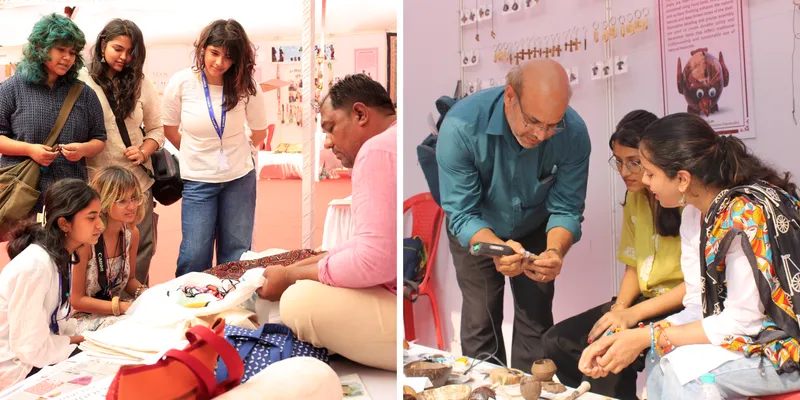
The National Institute of Fashion Technology (NIFT) successfully concluded the second day of its International Conference 2026 on “Design for Inclusive Futures” at the Mumbai campus on Friday, 23 January 2026. Building on the momentum of the first day, Day 2 deepened discussions around equity, accessibility, usability, and inclusive innovation through keynote speeches, technical sessions, invited papers, and an engaging panel discussion.
Prof. Dr. Noopur Anand, Dean of NIFT, delivered the principal keynote, highlighting accessibility as a design imperative that must be integrated from the outset. She urged designers to view disability not merely as a physical limitation but as an opportunity to develop sensory-inclusive and age-friendly innovations. Stressing dignity in design, she noted that adaptive clothing should combine functionality with self-expression, rather than being treated as a niche or charitable category. Her address also emphasized ethical responsibility, human-centric education, and responsible scaling, underscoring NIFT’s 40-year commitment to fostering inclusive futures.
The day opened with a keynote by Shri. Jalaj Hora, CEO of Synthegrate and Global Chair at Manchester Metropolitan University, who discussed the evolving fashion landscape shaped by AI-powered consumers, circularity, and supply chain challenges. He encouraged educators and designers to embed human values within AI-driven systems, stating:
“In 2026, the most successful fashion house won’t be the one with the most data, but the one that uses that data to become more human. Don’t just adopt AI; integrate it so deeply that your people are freed to dream and take creativity to new heights.”
Shri. Arman Ali, Executive Director of the National Centre for Promotion of Employment for Disabled People (NCPEDP), followed with a keynote on universal design. Drawing on lived experiences, he highlighted the social and economic cost of exclusion and stressed that accessibility should be a foundational design principle, not an afterthought.
Complementing the academic discourse, NIFT collaborated with the Office of the Development Commissioner (Handicrafts), Ministry of Textiles, to host a Craft Demonstration-cum-Awareness Programme. The event featured live demonstrations by master artisans from across India, including Gond Painting, Paithani Sari, Ikat Textiles, Maheshwar Textiles, Appliqué, and Kutch Bandhani. This initiative celebrated India’s craft heritage, indigenous knowledge, and sustainable practices, fostering meaningful interactions among artisans, designers, scholars, and students.
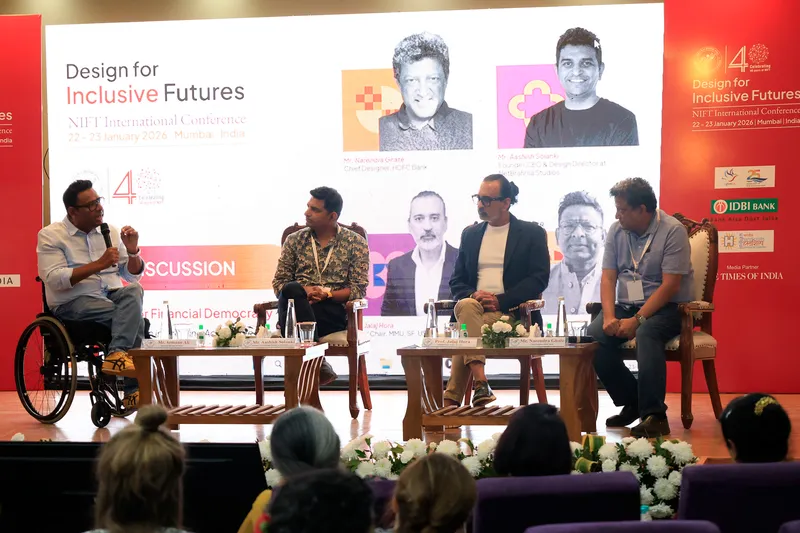
Technical sessions featured 29 peer-reviewed research papers on inclusive design, equity, and usability, while five invited papers offered international perspectives on emerging trends and policy frameworks. A panel discussion titled “Designing for Financial Democracy” explored the role of design in improving accessibility in FinTech. Participants included Shri. Narendra Ghate, Executive Vice President, HDFC Bank; Shri. Aashish Solanki, CEO, NetBrahma; Shri. Jalaj Hora; and Shri. Arman Ali as Moderator. The discussion emphasized human-centred and inclusive design as key to democratizing financial services for diverse users.
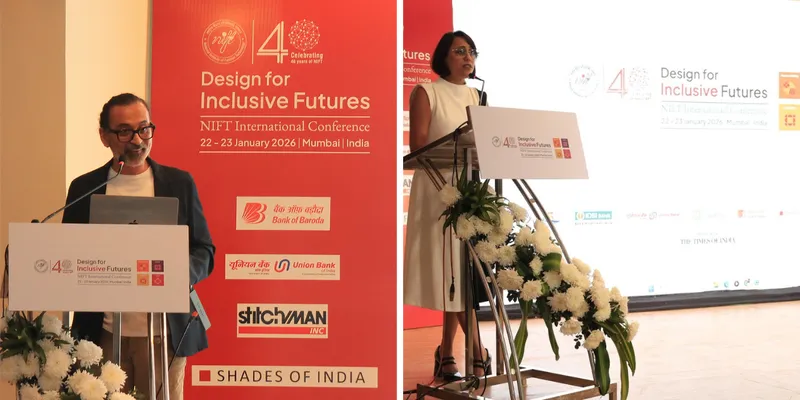
The conference concluded with a valedictory session led by Prof. Dr. Rupa Agrawal, NIFT, Conference Chair. The two-day event reinforced NIFT’s global leadership in promoting inclusive, sustainable, and socially impactful design education, while charting a forward-looking path for international collaboration and innovation in design.