Sewing Projects and Satin Fabrics
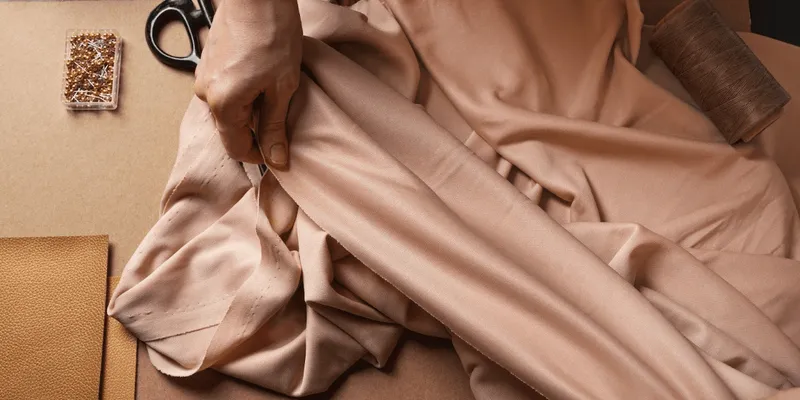
Sewing Projects and Satin Fabrics
Satin is a well-loved fabric appreciated for its cool, soft feel and natural shine. Because of this, satin is a perfect material for elegant-looking and high-end accessories. Like any other fabric, satin can come at a higher price point. However, buying quality satin from reputable vendors like Global Fabric Wholesale will give you consistent quality, great durability, and a nice finish. When it comes to sewing, satin can be especially challenging for new sewists as it involves a lot of preparation and care. But as long as satin is sourced from Global Fabric Wholesale and is paired with the right technique, it can be a wonderful fabric to make trendy and elegant accessories.
Effectiveness of Satin in Accessories from a Boutique Perspective
Every small product instantly gains a chic and sophisticated look from high-quality satin. Boutique-quality satin from headbands, hair bows, scrunchies, and bags creates a standout product. The light-reflective quality of satin brings out the details of the workmanship and adds a nice shimmer to the overall product. This is the reason many small businesses select high satin for bows and other accessories.
Preparing Satin Fabric for Sewing
There should always be a prep stage before starting any sewing project, and satin is a fabric that requires additional prep work. Satin shifts when cutting, so be sure that the fabric is laid on a flat and stable surface so clean edges can be maintained. Using a rotary cutter or, if using scissors, make sure they are very sharp to reduce fraying and make cutting easier. Satin is a gentle fabric that can be ruined by rough and aggressive movement, which leads to unwanted damage by stretching or distorting the fabric. Satin is best folded by pressing at the lowest possible setting, as heat damage can occur. Folding satin to create a more precise stitch line is a beneficial step.
Selecting Appropriate Equipment for Satin Fabric
Your choice of equipment will affect how satin looks at the end of the stitching process. Lightweight, fine, and thin needles work best since they leave small holes that sink into the fabric and vanish. The sewing machine tension should be set to lighter levels in order to prevent puckering. Setting the stitch length to shorter will produce a clean and polished finish that stands out from the rest and matches the quality of boutique pieces. Using a walking or Teflon foot can assist in guiding satin evenly to the machine. Every tool choice plays an important role in the polished finish that boutique accessories are known for.
How to Sew Satin Without Pucking or Slips
Satin fabrics tend to slide around, which can create uneven seams. To circumvent this, put your machine on a slower speed setting and guide the fabric instead of pulling it. Letting the feed dogs move the fabric on their own also helps prevent stretching. Gently holding the edges can help keep the pieces from drifting out of alignment. If puckering occurs, you can easily lift the presser foot and lower the tension to get things back on track.
Boutique Style Satin Accessories
High End Satin Scrunchies
Satin accessories like scrunchies can be some of the easiest and most rewarding accessories to sew. To make one, cut a long strip of fabric, then sew it together lengthwise, keeping the shiny side of the fabric towards the inside of the tube. Once you get to the end, turn the fabric right side out, then slide an elastic into the end of the tube and sew it shut. The satin fabric will have a nice slide to it, which helps prevent the scrunchies from pulling hair, which is one of the primary reasons they became popular in the first place.
Satin Hair Bows With a Professional Finish
Although sewing satin bows may be simple, if done carefully, they may achieve a polished, professional-grade quality. To achieve that fine quality, cut out perfectly rectangular slits of satin. Then, briefly fold the satin rectangle at a right angle so that the edges of the satin fold at a crisp angle. To prevent the stitches from being visible, wrap the centre of the bow with satin to add an extra layer of detail. When the satin bows are attached to headbands and clips, they take on the polished look of bows bought in the store.
Crafting Satin Clutches and Small Bags
Creating a Minimal Satin Clutch
Creating a satin clutch is an incredibly useful sewing skill as it is a valuable accessory on its own, as well as being a useful technique to use if someone, for instance, needs to use the sewing techniques to complement a satin bow. To prevent the clutch from sagging, it's best to line it with a fabric with a stiffer structure. A rectangular shape is the most common body shape for bags, and to attach the satin layer over the fabric, simply sew down the sides.
Satin Accessories and Their Maintenance
Satin accessories, like all boutique-level pieces, retain their beauty longer with proper maintenance. Satin accessories should be cleaned with cold water and mild soap. Their weave and shine can be permanently damaged if washed too vigorously. Heat can also be damaging to their structure. Accessories can be stored in satin and other soft fabric bags to reduce friction and avoid dulling. With the proper maintenance, satin accessories can retain their beauty and elegant satin fabric appearance without looking worn for a long time.
Satin Quality and Results
High-quality satin is a fabric that drapes beautifully, feels smooth to the touch, and resists wrinkling, all of which make sewing projects easier and more enjoyable. Trusted fabric suppliers like Global Fabric Wholesale understand that premium satin fabric for accessories designed to achieve a boutique-level finish is always in high demand. They also recognise that for brands selling handmade accessories, the quality of satin fabric plays a crucial role, as it strongly influences customer perception, perceived value, and overall satisfaction.
Conclusion
Satin, as discussed, is among the more gratifying textiles to use when making boutique-quality accessories. The natural shine, smoothness, and elegant cascading quality of the fabric give accessories an air of sophistication and luxury, and do not require one to be a veritable sewing wizard. With the correct preparation and tools, and assuming one works gently, even a satin novice can create an accessory that competently resembles a high-quality, store-bought satin scrunchie or bow. Sewing accessories from satin can be done freely, and high-quality satin fabric can smooth the edges of an accessory. Satin accessories are timeless, and sewing them yourself allows the flexibility to add personal design flourishes and create a differentiated accessory.