Benefits of DTF Printers for Small-Scale Clothing Brands
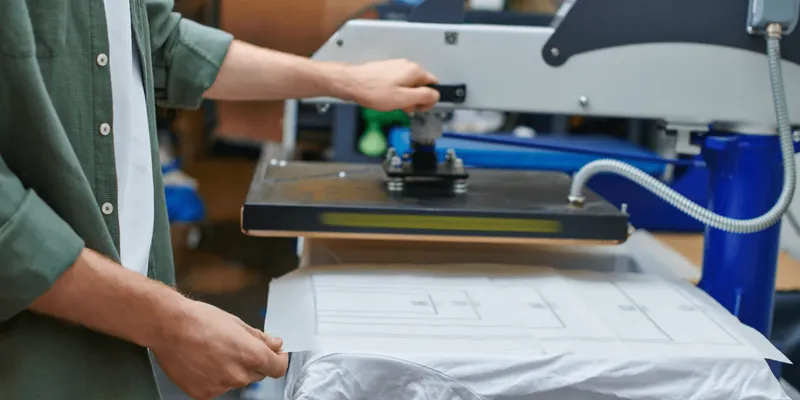
Direct-to-Film (DTF) printing is changing the game for small-scale clothing brands. If you’re running a small business, trying to stand out in the crowded apparel market, a DTF printer could be your secret weapon. Unlike traditional methods like screen printing or Direct-to-Garment (DTG), DTF offers unique advantages that make it perfect for small brands looking to create high-quality, custom clothing without breaking the bank. This article dives into the key benefits of DTF printers for small-scale clothing brands, explaining why they’re a smart choice for entrepreneurs. Let’s break it down.
What is DTF Printing?
DTF printing is a process where designs are printed onto a special film, coated with adhesive powder, and then transferred onto fabric using a heat press. The process starts with a digital design printed on the film using a DTF printer. After printing, a powder is applied to the wet ink, which is then cured. The film is placed on the fabric, and a heat press transfers the design, creating a vibrant, durable print.
This method works on various fabrics like cotton, polyester, blends, and even non-textiles like leather. For small clothing brands, this versatility and ease of use make DTF printing a great fit.
Low Startup Costs for Small Businesses
One of the biggest hurdles for small clothing brands is the cost of equipment. Screen printing, for example, requires multiple screens, inks, and a lot of setup, which can cost thousands of dollars upfront. A basic screen printing setup for a small shop can run between $5,000 and $10,000, not including ongoing costs for screens and labor.
DTF printing, on the other hand, has a much lower entry point. A quality DTF printer can cost as little as $2,000 to $5,000, depending on the model. For instance, DTF Linko offers affordable options that include everything you need—printer, inks, films, and powder. You don’t need extra screens or complex setups, which saves money. For a small brand, this means you can start producing custom apparel without taking out a huge loan or draining your savings.
Versatility Across Fabrics and Products
Small clothing brands often experiment with different products to find their niche—think T-shirts, hoodies, hats, or even tote bags. DTF printers shine here because they work on a wide range of materials. Unlike DTG printers, which are best for cotton, DTF can handle cotton, polyester, nylon, blends, and even tricky fabrics like spandex or leather.
This flexibility lets small brands diversify their product lines without investing in multiple machines. For example, you could print a vibrant logo on a cotton T-shirt, then use the same printer to add a design to a polyester hoodie. According to industry data, 60% of small apparel businesses expand their product range within their first two years. A DTF printer supports this growth by letting you print on almost anything, helping you test new ideas without extra costs.
High-Quality Prints with Vibrant Colors
Customers love eye-catching designs, and DTF printers deliver. The prints are sharp, with vivid colors that pop, even on dark fabrics. This is a big deal for small brands competing with bigger names. DTF uses water-based inks that bond well with fabrics, creating durable prints that don’t fade after a few washes. Tests show DTF prints can withstand up to 50 washes without significant color loss, compared to some DTG prints that start fading after 20-30 washes.
For small businesses, this quality builds trust with customers. If someone buys a T-shirt with your design and it still looks great after months of wear, they’re more likely to come back and recommend your brand. Plus, DTF printers can handle complex, multi-color designs without the extra setup costs of screen printing, so you can offer bold graphics that stand out.
Fast Production for Small Batches
Small clothing brands often deal with small, custom orders—think 10 T-shirts for a local event or a few hoodies for a pop-up shop. Traditional methods like screen printing aren’t great for small runs because setting up screens for each design is time-consuming and expensive. DTF printing solves this problem.
With a DTF printer, you can go from digital design to finished product in under an hour. The process is simple: print the design, apply powder, cure it, and press it onto the fabric. This speed is perfect for small brands that need to fulfill orders quickly. For example, a 2023 study by Printful found that 70% of small apparel businesses prioritize fast turnaround times to meet customer demands. DTF printers let you produce one-off or small-batch orders efficiently, keeping your customers happy and your inventory lean.
Easy to Use for Beginners
You don’t need to be a printing expert to use a DTF printer. The process is straightforward, and many models come with user-friendly software.
Unlike screen printing, which requires learning techniques like emulsion coating and screen alignment, DTF printing is mostly automated. You load the film, select your design, and let the printer do the work. This ease of use means you can train staff quickly or even handle production solo, saving time and money.
Cost-Effective for Low Minimum Orders
Many small brands can’t afford to order thousands of units at once, which is often required for screen printing to be cost-effective. DTF printing has no minimum order quantities, making it ideal for small runs or one-off designs. For example, if a customer wants a single custom T-shirt, you can produce it without losing money on setup costs.
The cost per print is also competitive. A typical DTF print costs $0.50 to $1.50 in materials (film, ink, powder), depending on the design size. Compare that to screen printing, where setup costs can make small orders as expensive as $5-$10 per shirt. This affordability lets small brands test new designs or offer personalized products without financial risk.
Durability and Customer Satisfaction
DTF prints are built to last. The adhesive powder creates a strong bond between the ink and fabric, making prints resistant to cracking, peeling, or fading. This durability is critical for small brands building a loyal customer base. A 2024 survey by Statista found that 65% of apparel customers value product durability when choosing a brand.
When your T-shirts or hoodies hold up through repeated washes and wear, customers notice. They’re more likely to trust your brand and leave positive reviews, which are gold for small businesses. DTF’s reliable output ensures your products look professional, helping you compete with bigger brands.
Scalability for Growing Brands
As your small clothing brand grows, you’ll need equipment that can keep up. DTF printers are scalable, meaning you can start with a basic model and upgrade to a higher-capacity one as demand increases.
DTF also supports bulk production. While it’s great for small runs, you can print multiple designs in one batch by arranging them on a single film sheet. This efficiency helps you handle bigger orders as your brand gains traction, without needing to overhaul your setup.
Eco-Friendly Options for Modern Brands
Sustainability matters to today’s customers. A 2023 Nielsen report found that 73% of consumers prefer brands with eco-friendly practices. DTF printing can align with this trend. Many DTF inks are water-based and less harmful than solvent-based inks used in some traditional methods. Additionally, DTF produces minimal waste since you only print what you need, unlike screen printing, which generates excess ink and screen waste.
Small brands can market their DTF-printed products as eco-conscious, appealing to environmentally aware customers.
Minimal Space Requirements
Small clothing brands often operate out of garages, small shops, or shared spaces. DTF printers are compact, with many models fitting on a standard desk. A typical DTF setup, including the printer and heat press, takes up about 10-15 square feet. Compare that to screen printing, which can require 50-100 square feet for screens, drying racks, and workstations.
This small footprint is a game-changer for startups with limited space. You can set up a full production line in a corner of your home or office, making DTF a practical choice for small-scale operations.
Conclusion
For small-scale clothing brands, DTF printers offer a perfect mix of affordability, quality, and flexibility. From low startup costs and versatility across fabrics to fast production and eco-friendly options, DTF printing helps you create professional-grade apparel without the headaches of traditional methods. Whether you’re printing one T-shirt or scaling up to hundreds, a DTF printer can set you up for success. If you’re ready to take your brand to the next level, explore DTF printing and see how it can transform your business.