What Are the Differences Between Natural and Lab-Grown Diamonds?
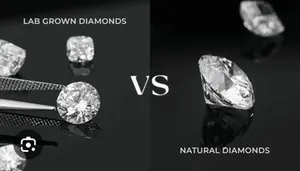
What is a gem of luxury that captures your attention the moment it enters your line of sight? A diamond! May it be a diamond engagement ring or an exquisite piece of jewelry, the sheer options in today’s world can be overwhelming. Exceeding the limits of nature, lab-grown diamonds have surfaced, which means consumers have more choices than ever. If you are looking for the best place to buy lab-created diamonds, Rare Carat is ready to serve you.
In this article, we intend to answer the questions imprinted in your minds, such as, 'what is the difference between lab grown diamonds and natural counterparts?' We will focus on the elements that carry significance while shopping from Rare Carat.
What Are Natural Diamonds?
Formation Process
Diamonds that lie in nature are formed at the depth of the Earth’s fissures where the temperature and pressure is surreal. This occurs over the period of millions to billions of years. With a unique crystallization of carbon atoms, diamonds hold unmatched hardness along with speckled shine. Every diamond is formed in a different way which provides it a distinct set of inclusions hence adding to its already majestic features.
Origin
Every natural diamond begins with the earth. Rare Carat, a trustworthy provider for purchasing natural diamonds, allows customers to choose from a selection of natural diamonds that are ethically sourced and certified. Generally, natural diamonds are mined from the earth together with certificates from gemological laboratories that verify their authenticity and quality.
Unique Appeal
The primary allure of a stone or jewel for that matter is the sheer unexplainable reason or happiness that it brings to everyone. Natural diamonds have their charm in it being rare and difficult to obtain. Furthermore, their formation over millions of years makes them priceless and eternally valuable. Indeed, this sense of distinctiveness also adds to the emotional worth of these stones, making them widely preferred for diamond engagement rings and remarkable commemorative items.
What Are Lab-Grown Diamonds
Formation Process
Lab-grown diamonds or synthetic diamonds are created by employing modern procedural techniques that take place in labs with natural conditions under which diamonds are formed. The process of producing lab-grown diamonds is done mainly through High Pressure High Temperature (HPHT) and Chemical Vapor Deposition (CVD) methods. Both use carbon to build a crystal structure of a diamond crafted within the lab.
Origin
Lab grown diamonds are created in specialized environments or laboratories unlike natural diamonds. Because of this, they are often cheaper and can be produced on-demand, which is ideal for those needing a quality product that meets a tighter budget. Rare Carat specializes in allowing buyers to select from lab diamonds that meet regulatory standards of quality.
Perceived Value
The market has increased in demand for lab grown diamonds due to their affordability and reduced environmental impact, but they are often regarded as less precious relative to their natural counterpart. Regardless, they are gaining traction, especially among individuals focused on sustainable and socially responsible products.
Key Differences Between Natural and Lab Diamonds
1. Formation and Time
Natural diamonds take millions of years to be created approximately hundreds of kilometers beneath the Earth’s crust while lab diamonds can be created in weeks or months in a lab. Even when they each have the same crystal structure, the duration of process is a major distinguishing factor.
2. Cost
One of the most significant disparities between natural and lab-grown diamonds is their pricing. Lab-created diamonds cost significantly less; they are about 20 to 40 percent cheaper than natural diamonds. This makes lab-grown diamonds a sensible choice for people looking to buy a bigger or better diamond without spending a fortune. Rare Carat features an extensive inventory of natural and lab-created diamonds, enabling you to select one that fits your budget perfectly.
3. Environmental Impact
The process of mining natural diamonds can be very resource intensive, as it requires the removal of large amounts of earth and minerals, which can disrupt the ecosystem in the area. Lab-grown diamonds have less impact on the environment because they use fewer natural resources and produce less waste during their manufacture. Supporting sustainable practices, Rare Carat has a wide selection of lab-created diamonds that are crafted with minimal environmental harm.
4. Inclusions and Purity
Both diamonds, whether natural or lab-grown, are examined for inclusions and purity. Lab diamonds, due to their controlled environment, can be made nearly perfect and devoid of inner flaws. In contrast, natural diamonds typically have inclusions that occur due to their extensive travel before surfacing. However, some lab-grown diamonds do include inclusions, most of which are only visible under powerful magnification. Rare Carat, whether selling natural or lab-grown diamonds, takes pride in offering customers a diamond that has been vetted and graded for clarity, cut, color, carat weight, and certificate grade.
5. Market Perception and Resale Value
Due to their scarcity, natural diamonds retain better resale value, making them a better long term investment as compared to lab-grown diamonds. Despite that, the market for lab diamonds is still growing. Subsequently, some buyers believe that, with the rise in demand, the value of lab-grown diamonds will sustainably appreciate in the future. To aid in such decision making, Rare Carat offers extensive educational materials teaching customers how to discern quality diamonds from non-diamonds.
Why Selecting Rare Carat Is A Good Idea
Rare Carat is a reputable site not only for selling natural diamonds but also for lab-grown ones. The site seeks to provide convenience for users by making available diamonds of different qualities and prices. Rare Carat also maintains the integrity of every purchase by providing detailed information on each diamond’s 4Cs (Cut, Color, Clarity and Carat) alongside certified grading documents.
Rare Carat's most distinguishing feature is their comprehensive diamond search feature that allows users to filter diamonds according to their specifications such as for a natural or lab grown diamond. Rare Carat's services regarding pricing, quality, and customer service ensures that they remain the preferred sellers for anyone looking for an ideal diamond.
Conclusion
Whether you prefer a natural or lab-grown diamond, the choice really comes down to what you personally value, your budget, and your preferences. While natural diamonds tell a story and maintain an expensive price due to scarcity, their lab-grown counterparts provide a budget-friendly and eco-conscious option. Rare Carat caters to all desires by offering both types of diamonds. Knowing the differences allows you to confidently select a diamond that best fits your needs and desires, especially when purchasing from Rare Carat.