Nandan Denim Limited

1. Introduction
Brief Introduction of the Company
Starting in 1994, Nandan Denim Limited became a key name among India’s textile makers. Based in Ahmedabad, Gujarat, it crafts denim, cotton cloth, yarn, along with shirting textiles.
Industry Overview
One key part of India’s economy thrives on fabric making, offering jobs and shipping goods worldwide. Rising interest in jeans comes from shifting clothing trends pulling demand upward. Price shifts in raw cotton shake things up, along with what buyers now prefer and pressure from overseas makers.
Purpose of the Analysis
This review looks at how well Nandan Denim Limited manages money, runs its operations, because numbers tell part of the story. Performance shows up in daily choices, not just reports that gather dust. Efficiency matters most when machines keep humming without waste creeping in. Health of a company hides between pay checks sent and bills delayed. What remains is whether profit covers risk taken behind closed doors.
2. Company Overview
Background and History
Earlier Nandan Denim was buying and selling textiles. Only later did it shift toward making its own materials. Over time, upgrades in machinery helped push growth forward. Expansion wasn’t sudden - each step added more output. Today, among Indian makers of denim cloth, it stands near the top.
Business Model
From raw fiber to finished fabric, every step happens under one roof. Because it controls each stage itself, mistakes stay low and consistency stays high. Moving clothes between departments takes less time when nothing is outsourced. Fewer suppliers mean fewer surprises. Efficiency grows quietly behind steady workflows.
Key Products and Services
From jeans material to woven cloth, their range covers a variety of textiles. Beyond local reach, business extends overseas by shipping goods abroad.
Market Position
From the start, Nandan Denim stands out across India's denim scene. Its sizable production ability plays a key role. A spread of different products adds to that strength. Backing from the Chiripal Group helps keep things steady. One thing is clear - scale matters here.
3. Promoter or Founder Introduction
Name of Promoter(s)/Founder(s):
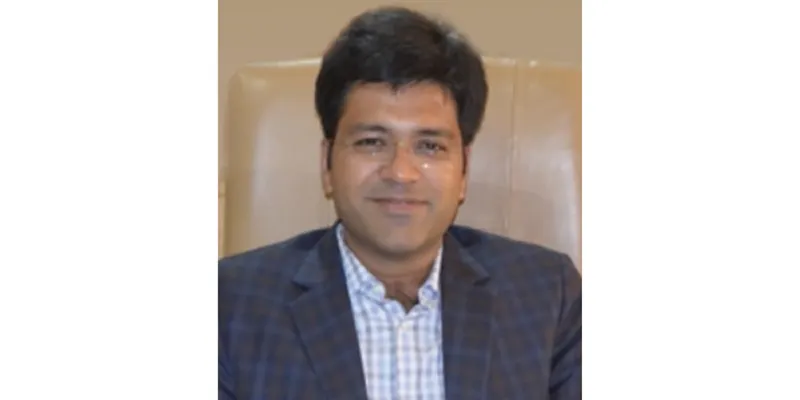
- Deepak J. Chiripal. (CEO)
Professional Background: Experienced business group with expertise in textiles, chemicals, packaging, and infrastructure.
Role in Company Growth and Strategic Decisions: Led expansion, modernization, and diversification, transforming Nandan Denim into a leading integrated denim manufacturer.
4. Financial Statement Analysis
Income Statement Analysis
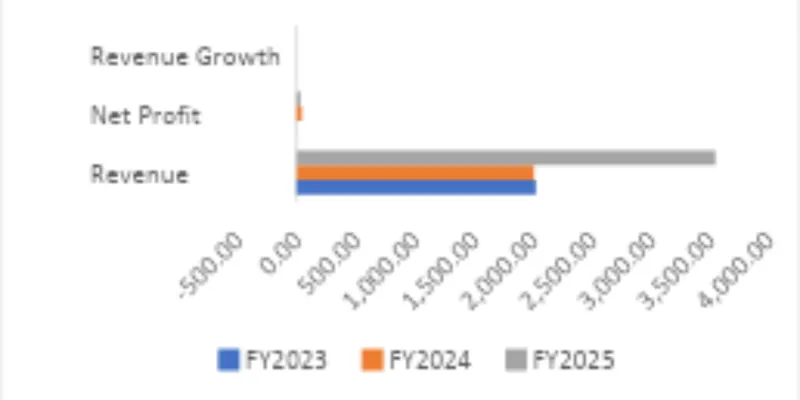
Particulars (₹ Crore) | FY2023 | FY2024 | FY2025 |
Revenue | 2,026.74 | 2,010.09 | 3,546.68 |
Net Profit | 0.80 | 44.97 | 33.48 |
Revenue Growth | -7.29% | -0.85% | 76.44% |
Now here’s a jump - revenue landed near ₹3,547 crore in FY2025, up from about ₹2,010 crore the year before. Sharper than past turns, showing how things are holding better down at operations.
Balance Sheet Analysis
Assets: -
Manufacturing plants sit at the core of what the business owns. Stored materials pile up in warehouses before shipping. Money owed by customers shows up as pending income on records. Tools and supplies support daily work across factories.
Borrowings: -
Borrowings show up here, along with what the company owes suppliers. These amounts help keep daily operations running. Some debts are short term, others last longer. Cash flow needs often shape how much is taken on.
Equity: -
Over time, that portion grew because money was kept in the business instead of paid out. Profits built up slowly, adding to their claim. Strength came not from new investments but from what stayed inside. Little by little, ownership value climbed without outside help.
Flow Statement Review
- Operating Cash Flow: Cash generated from the company's core textile manufacturing and business operations.
- Investing Cash Flow: Cash used for purchasing or selling assets such as machinery and equipment.
- Financing Cash Flow: Cash received from or paid toward loans, borrowings, dividends, and shareholders' funds.
Key Financial Ratios
- Profitability Ratio: Revenue leads to earnings when things run smoothly. Operations feed into bottom-line results over time.
- Liquidity Ratio: Here how quickly assets turn into cash when bills come due. Running low on ready funds? That stress appears clearly through this measure. Short-term survival often hinges on these figures staying balanced.
- Leverage Ratio: How much a business uses borrowed money instead of owner funds becomes clear here. Debt levels sit alongside investment by shareholders, shaping financial structure differently across firms.
- Efficiency Ratio: A closer look at performance shows whether the business turns what it has into solid income. What matters here is how well tools and materials actually work in daily operations. Instead of just holding onto resources, movement defines success. Profits appear when usage matches demand closely. Every asset left idle tells a different story than one actively contributing.
Year on Year Comparison (Past 3 years)
Particulars | FY2023 | FY2024 | FY2025 |
Revenue (₹ Cr) | 2,026.74 | 2,010.09 | 3,546.68 |
Net Profit (₹ Cr) | 0.80 | 44.97 | 33.48 |
Revenue Growth | -7.29% | -0.85% | 76.44% |
EPS (₹) | 0.06 | 3.12 | 0.23 |
5. Key Insights & Interpretation
Strengths
- Strong position in the denim market.
- Integrated manufacturing operations.
- Support from the Chiripal Group.
- Growing revenue and export presence.
Weaknesses
- Dependence on cotton prices.
- Competitive industry environment.
- Pretty slim earnings on each sale.
Risk Factors
When prices of basic materials swing wildly, problems start. Market needs shift without warning, creating pressure. Global economies add more unknowns into the mix.
Future Outlook
Nandan Denim stands where opportunity meets motion. Not just sitting still, efforts to work smarter add fuel down the road. On another front, home sales grow while overseas interest climbs too.
6. Conclusion
Final Evaluation of Financial Health: -It shows steady footing even when the sector faces headwinds. Revenues are on an upward path, higher over time. Profitability sits around average - nothing flashy, just consistent.
Investment or Performance Perspective: The business could grow over time. Still, prices for materials might jump around, which brings uncertainty. On top of that, rivals are active in the space, adding another layer to watch.