L.S. Mills

Executive summary
L.S. Mills started out in Theni around 1983, skipping the usual industry playbook right from day one. Most textile outfits hire outside help, but this team handles the full pipeline internally. With a crew of over 2,000, they run the whole show—yarn spinning, fabric weaving, and sheet stitching all happen inside their own facilities.
Doing everything locally keeps their quality tight and their environmental impact low, simple as that. They focus hard on luxury stuff like Supima and Egyptian cotton, which has quietly made them a massive force in India's export scene.
Company overview

L.S. Mills Limited originally started out back in 1983 down in Theni, though its roots actually go all the way back to 1979. Over the decades, it has grown into a massive, hands-on operation that takes care of the whole textile journey from scratch under one roof. They don't just outsource things; they spin their own raw yarn, weave the fabric, and stitch together finished home goods like luxury bed linens, duvets, and pillowcases. They have built a real name for themselves by mastering high-end, premium materials like Egyptian and super-soft Supima cotton. Instead of leaning on old, slow machinery, their massive team of thousands of workers operates out of heavily modernized facilities packed with advanced tech, which is exactly how they manage to hold their own in incredibly competitive global markets. Because they handle every single step from a bare thread to a finished box, they have total control over quality, running a smooth operation, and sticking to eco-friendly practices, keeping them firmly locked in as a true driving force for India’s textile exports.
Industry overview
When you look at the Indian textile industry, you aren't just looking at fabric and clothes—you're looking at the actual backbone of how millions of families in India make a living. It’s a massive, living chain that stretches from a farmer picking cotton under a hot sun, all the way to high-tech factory floors spinning yarn at lightning speed. For a company like L.S. Mills, operating here is a massive rollercoaster. On one hand, everyone wants newer styles, comfier homes, and clothes that don't wreck the planet, which means business is booming. On the other hand, keeping the lights on takes serious grit. You're constantly dealing with cotton prices that change overnight, fierce global rivals trying to undercut you, and trends that shift before you can even finish a production run.
Here is what it really looks like on the ground:
- Born with a massive advantage: Because India grows so much of its own cotton, companies don't have to look far for raw materials—the foundation of the whole business is literally right in our backyard.
- Upgrading the daily grind: Factories are no longer just noisy, dusty rooms. There is a massive push toward smarter machines and eco-friendly setups, helping local mills hold their own against global giants.
- The daily headaches: It’s a tough environment. Wildly unpredictable raw material costs, brutal international competition, and fickle consumer tastes mean you have to adapt fast, or you get left behind.
- The ultimate payoff: Even with all the stress, the pure hunger for Indian textiles both at home and overseas gives L.S. Mills a massive runway to scale up and make a name for themselves globally.
Financial performance analysis
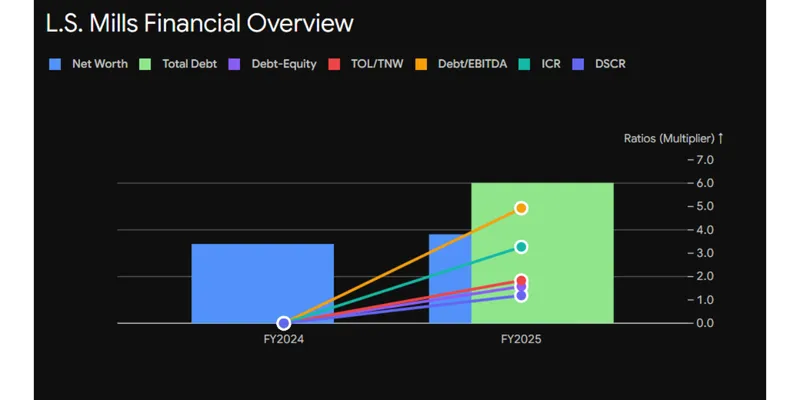
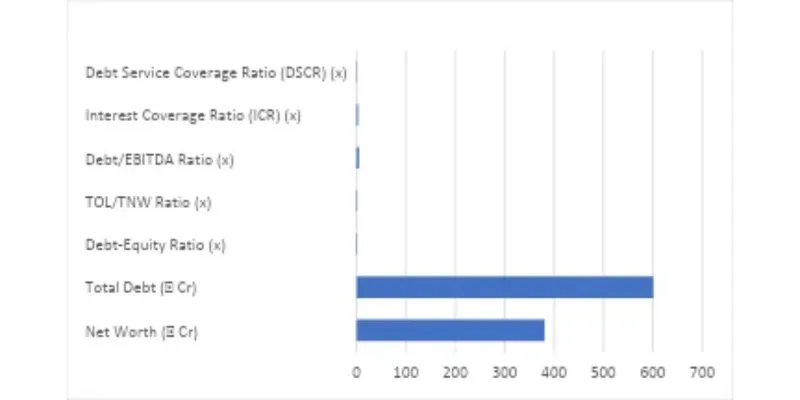
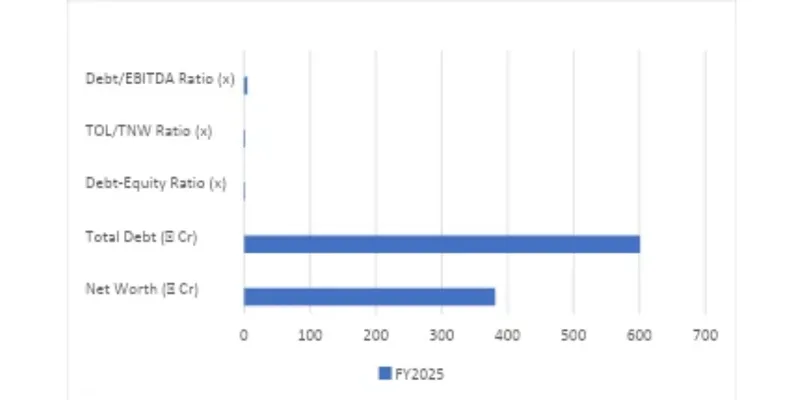
Particulars | FY2024 | FY2025 |
|---|---|---|
Net Worth (₹ Cr) | 339.83 | 381.08 |
Total Debt (₹ Cr) | — | 601.13 |
Debt-Equity Ratio (x) | — | 1.58 |
TOL/TNW Ratio (x) | — | 1.83 |
Debt/EBITDA Ratio (x) | — | 4.93 |
Interest Coverage Ratio (ICR) (x) | — | 3.27 |
Debt Service Coverage Ratio (DSCR) (x) | — | 1.19 |
Key financial ratio
Particulars | Unit | FY 25 (Actual) | FY 24 (Actual) |
Operating Income | Rs. Cr. | 799.20 | 695.45 |
PAT | Rs. Cr. | 40.28 | 70.75 |
PAT Margin | (%) | 5.04 | 10.17 |
Total Debt/Tangible Net Worth | Times | 1.58 | 1.55 |
PBDIT/Interest | Times | 3.27 | 3.90 |
SWOT ANALYSIS
Strengths
| Weaknesses
|
Opportunities
| Threats
|
CONCLUSION
Bottom line? L.S. Mills built their name by refusing to cut corners. Keeping every piece of the work in Theni—from raw thread to packaged bedding—gives them the kind of control over quality and green standards that most brands just can't match. Add high-end materials like Supima to the mix, and it's clear why they're still dominating the export market after all these years.
REFERENCES
- L.S. Mills Limited Official Website
- L.S. Mills Limited Company Profile – The Company Check
- L.S. Mills Limited Corporate Details – Zauba Corp