Leveraging Digital Tools for Enhanced Security in the Textile Supply Chain
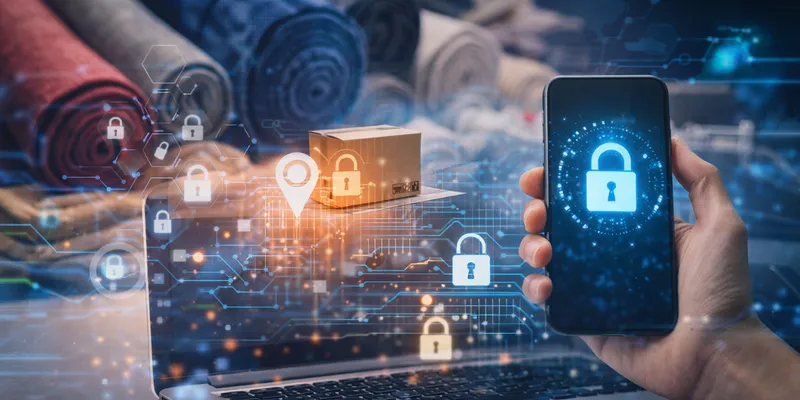
The textile and apparel industry has seen rapid digitalization over the past decade, from advanced ERP systems to cloud-based supply chain management platforms. Manufacturers, designers, and suppliers increasingly rely on online portals for sourcing raw materials, tracking production, and coordinating logistics across multiple regions. While these platforms improve efficiency, they also introduce new security challenges that require proactive solutions to protect sensitive business data and communications.
Digital connectivity in textiles facilitates faster decision-making and streamlined operations, yet it exposes businesses to risks such as account compromise, phishing attacks, and unauthorized access to confidential documents. In particular, communication channels used for order confirmations, supplier negotiations, and vendor registrations can be vulnerable if not properly secured. Implementing additional verification tools can help mitigate these risks.
One practical solution for textile professionals is understanding why temporary phone numbers are useful for securing digital transactions and account verification. Temporary numbers allow companies to verify accounts, manage registrations, and test digital services without exposing permanent contact information. This is particularly valuable when working with new suppliers, registering for global trade platforms, or testing vendor portals, providing a layer of privacy and security that protects sensitive communications.
Digital Transformation in Textile Operations
The industry has embraced digital tools that span every part of the textile value chain:
- Sourcing Platforms: Cloud-based marketplaces for fabric, yarns, and trims
- Production Management: ERP and MES solutions to monitor manufacturing
- Logistics Tracking: GPS-enabled shipment tracking for raw and finished goods
- Supplier Collaboration: Secure portals for sharing production schedules and quality data
A report by BBC News highlights how digital transformation in manufacturing, including textiles, has accelerated during the past few years, emphasizing the role of secure cloud platforms in sustaining global supply chains.
While efficiency gains are clear, these tools also create entry points for potential cyber risks. Protecting accounts and communications is essential to maintain operational integrity and preserve trust among suppliers and clients.
Textile businesses are increasingly adopting phone numbers for verification to support secure account access, supplier onboarding, and digital platform registrations.
Common Security Risks in the Textile Industry
Textile companies face unique challenges when digitizing operations. Some of the most pressing risks include:
- Account Compromise: Unauthorized access to procurement or design platforms
- Data Breaches: Exposure of sensitive product designs, pricing, or supplier agreements
- Phishing & Social Engineering: Emails or messages aimed at extracting confidential information
- Fraudulent Registrations: Fake supplier accounts or marketplace profiles
Implementing digital verification methods, such as using temporary phone numbers or multi-factor authentication, helps organizations reduce exposure to these threats.
Advantages of Temporary Numbers
Temporary phone numbers offer several practical benefits for textile professionals:
- Privacy Protection: Keeps permanent numbers private during supplier onboarding or trial registrations
- Fraud Mitigation: Prevents unauthorized actors from accessing critical platforms
- Streamlined Testing: Facilitates testing of digital services without risking company communications
- Global Accessibility: Enables account verification across regions without needing local SIM cards
A Forbes analysis notes that businesses adopting such verification methods reduce the likelihood of digital fraud while improving operational confidence when interacting with new suppliers or digital marketplaces.
Integrating Security Practices into Textile Workflows
For textile companies, integrating temporary numbers into digital operations can be straightforward. Key use cases include:
Workflow Area | Implementation |
Supplier Onboarding | Use temporary numbers for initial registration and verification of new suppliers |
Digital Marketplaces | Verify vendor accounts without exposing permanent contact info |
Internal Testing | Trial new ERP or procurement platforms securely |
Remote Communications | Secure interactions with global teams or freelance designers |
By adopting these practices, companies can safeguard sensitive information while maintaining seamless communication and collaboration across the supply chain.
Future Trends in Digital Security for Textiles
As the textile industry continues to evolve digitally, several trends are emerging:
- AI-Powered Fraud Detection: Identifying suspicious account activity in real-time
- Enhanced Multi-Factor Authentication: Combining temporary numbers with app-based or biometric verification
- Blockchain for Data Integrity: Ensuring traceability of designs, sourcing, and manufacturing data
- Global Compliance Standards: Adhering to international regulations for digital communications and data protection
These innovations not only protect business operations but also reinforce trust among suppliers, clients, and stakeholders, enabling more resilient and efficient supply chains.
Digital transformation in textiles brings unparalleled efficiency and opportunities for growth. By integrating secure verification methods such as temporary phone numbers, companies protect their digital communications, ensure secure onboarding, and maintain integrity throughout the supply chain. In this way, the industry can embrace technology confidently while mitigating potential risks.