Lenzing Group Highlights Bio-Based Materials for Europe’s Economic Security
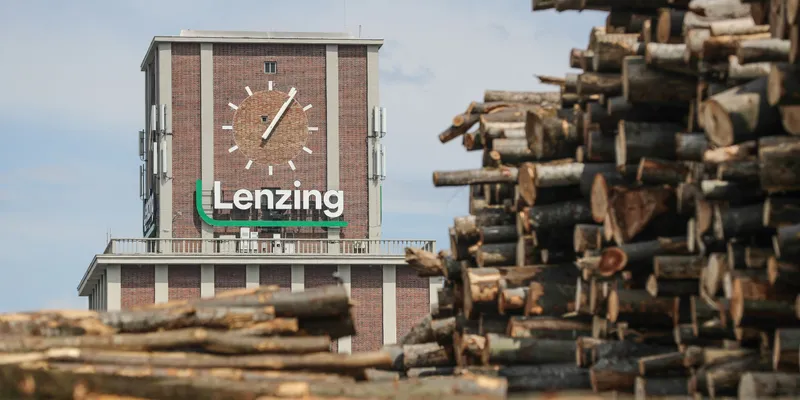
Lenzing Group hosted a policy roundtable in Brussels on March 10, 2026, focusing on the contribution of bio-based materials to Europe’s economic security and industrial transition. The discussion highlighted the role of cellulose fibers in enabling alternatives to fossil-based materials.
The event was organized together with Euractiv and included representatives from the European Commission, the UK Mission to the EU, academia, civil society, and industry.
Speakers included Aurel Ciobanu-Dordea, Director for Competitive Circular Economy and Clean Industrial Policy at the European Commission’s DG Environment; Dr. Daniel Bradley, Deputy Counsellor & Head of Climate and Environment at the UK Mission to the EU; and Patricia A. Sargeant, Executive Vice President Nonwovens Commercial at the Lenzing Group.
A central topic discussed was the use of cellulosic fibers as fully bio-based and biodegradable alternatives in nonwoven products such as wet wipes. Participants also addressed challenges affecting the competitiveness of such materials in Europe, including regulatory and cost differences in global markets. Policy clarity and alignment, including potential updates to the Single Use Plastics Directive (SUPD), were highlighted as factors influencing investment and market development.
Georg Kasperkovitz, Member of the Management Board of the Lenzing Group, said:
“Europe has set ambitious goals for a clean-industry transition. Our roundtable in Brussels showed that bio-based materials are not a future vision – they are a practical, scalable reality today. As an integrated cellulosic fiber producer with deep European roots, Lenzing helps strengthen industrial resilience while accelerating the shift away from fossil-based synthetic fibers.”
Lenzing stated that its specialty fibers are produced from renewable wood sources and have lower greenhouse gas emissions compared with generic alternatives. The fibers are certified biodegradable and compostable. The company’s climate targets are aligned with the 1.5-degree pathway and have been validated by the Science Based Targets initiative.
Patricia A. Sargeant emphasized the role of European manufacturing capacity in supply-chain resilience and strategic autonomy. Lenzing operates integrated pulp and fiber production facilities in Austria, Czechia, and the UK, with Europe-based research and development supporting regional jobs, technology development, and industrial innovation.
Sargeant stated:
“Maintaining and expanding European production capacity is essential for supply-chain resilience and strategic autonomy. Lenzing operates major integrated pulp and fiber sites in Austria, Czechia, and the UK, with Europe-based R&D supporting jobs, innovation, and technological know-how within the region. Cellulosic fibers play a critical role in single-use products for hygiene applications – underscoring the need to redesign products toward biodegradable material solutions that address SUPD concerns and microplastic pollution.”
Lenzing indicated that it will continue working with policymakers and industry stakeholders to support the development of fossil-free material solutions and strengthen Europe’s industrial ecosystem.