LCA Study Highlights Low Environmental Impact of CmiA Organic Cotton in Tanzania
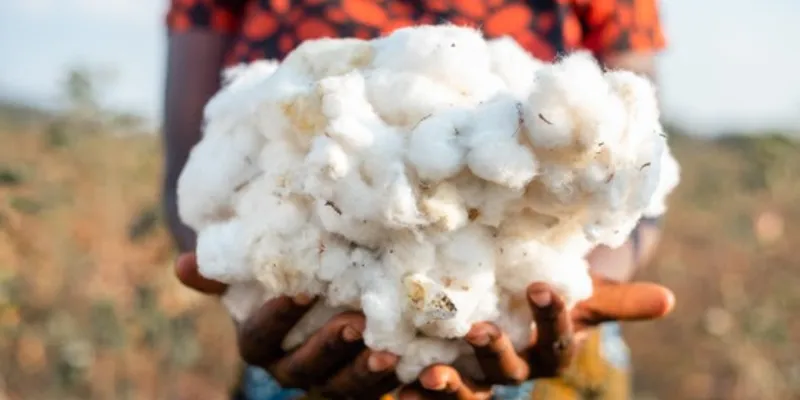
Aid by Trade Foundation has released the results of a life-cycle analysis (LCA) for cotton produced in Tanzania under the Cotton made in Africa Organic (CmiA Organic) standard. The study evaluates environmental impacts from cultivation to ginning and indicates a relatively low ecological footprint.
The LCA, announced on 31 March 2026 in Hamburg, forms part of a broader, critically reviewed assessment conducted by Textile Exchange. It measures the environmental performance of CmiA Organic cotton across all production stages, from farming to ginning.
The findings indicate that cotton produced under the CmiA Organic standard follows a rainfed agricultural model with limited mechanisation. Farmers avoid the use of mineral fertilisers, synthetic pesticides and genetically modified seeds. This approach reduces environmental impacts commonly associated with industrial cotton production, including emissions from fertiliser production and the use of “blue water”.
According to the study, emissions are below one kilogram of CO2 equivalents per kilogram of ginned cotton fibres. Practices such as the application of biochar and bokashi are used to improve soil fertility and support groundwater protection, while also contributing to biodiversity.
The study states that the characteristics of this production system can support the textile industry in meeting regulatory requirements and science-based targets.
Alexandra Perschau, the head of Standards & Outreach at the Aid by Trade Foundation, states, “The LCA provides valuable insights into the environmental performance of CmiA Organic cotton, reaffirming our commitment to transparency and to continuous improvement in environmental protection. Its results underline the inherent sustainability benefits of practising organic farming in accordance with the CmiA Organic standard, which prioritises ecological balance and the well-being of farmers. Fashion brands and textile companies that use CmiA Organic cotton have an opportunity to meet their science-based targets as well as the increasing regulatory requirements for transparency.”
"Sourcing Cotton made in Africa Organic supports our transition from conventional cotton to organic cotton production with increased transparency. Collaborations like the one we have with Aid by Trade Foundation are essential in order for us to reach our organic cotton targets," states Danique Lodewijks, Sustainable Raw Materials Manager at Bestseller.
The analysis also highlights the effects of climate change on smallholder farmers in cotton-growing regions. Factors such as drought, irregular rainfall patterns and heavy precipitation impact planting and harvesting cycles, and increase vulnerability to pests.
Despite these challenges, the study indicates that the farming practices used in CmiA Organic production contribute minimally to climate change. The Cotton made in Africa programme focuses on biodiversity preservation, soil health and resource protection, while providing training to farmers to improve resilience to changing climate conditions.