Lab Dips to Bulk Production: A Pre-Production Approval Process for Menswear Exports
A structured approval sequence linking colour standards, fit, construction and inline quality checks can help prevent production discrepancies in cut-and-sew menswear exports.
By Ademar Neadstine, Founder, Clothing Manufacturer China
Colour and fit discrepancies can emerge during bulk production when lab dips, pre-production samples and inline inspections are managed as separate approval steps. A linked approval process helps maintain traceability from the initial colour submission through final approval for bulk cutting, reducing the risk of deviations from buyer requirements.
1. Establish a Single Programme Record
Before the first lab dip leaves the dyehouse, create a programme record that links every subsequent approval to the same reference. The record should include the style code, colourway names, fabric composition and construction, intended wash or finish, destination market, and the size selected for the pre-production sample.
Fabric specifications may include 100% cotton, 220 gsm jersey or 98/2 cotton-elastane, 12 oz denim.
Maintaining this information in one record provides a consistent reference for all approval stages. Without it, later approval comments may not be clearly linked to the correct style, fabric or colourway.
2. Approve Lab Dips Under Relevant Viewing Conditions
A lab dip should be assessed against the actual bulk fabric lot or a mill-confirmed equivalent, rather than relying solely on a photograph. Colour should be reviewed under the buyer's specified light source, often D65, with store lighting sometimes used as a secondary check.
The approval record should identify the dip number, fabric lot or mill reference, light source, observer, and whether approval covers shade alone or also includes handfeel after finishing.
If washing or an enzyme finish could change the shade, the approval note should state this requirement and specify that a washed standard must be approved before bulk dyeing is released.
Common problems include approving a dip made from fabric that does not match the bulk lot, reviewing colour under office LED lighting and later finding a mismatch under D65, or approving the shade before the finishing process has been finalised.
3. Establish the Bulk Colour Standard Before Cutting
After lab dip approval, retain a physical colour standard and, where used, a corresponding digital reading. Both the dyehouse and sewing line should be able to access the same approved reference.
The programme record should identify the approved dip ID, the bulk lot dyed against it, and the person responsible for signing off the approval.
Bulk cutting for the relevant colourway should remain on hold until this step is complete. A verbal confirmation or a message stating that the colour looks acceptable does not provide the same traceability as a documented approval record.
4. Review Fit, Construction and Colour in the Pre-Production Sample
The pre-production (PP) sample should use bulk-intent fabric and trims, follow the size specified in the programme record, and reflect the construction intended for the production line.
The review should cover the following areas:
- Measurements: Check the sample against the size specification, including the measurement method and tolerance. For example, chest measurement may be taken 2.5 cm below the armhole, with a tolerance of ±1 cm.
- Construction: Verify stitch type, stitches per inch (SPI), seam allowance, pocket position and label placement.
- Colour: Compare the sample against the retained standard under the agreed lighting conditions.
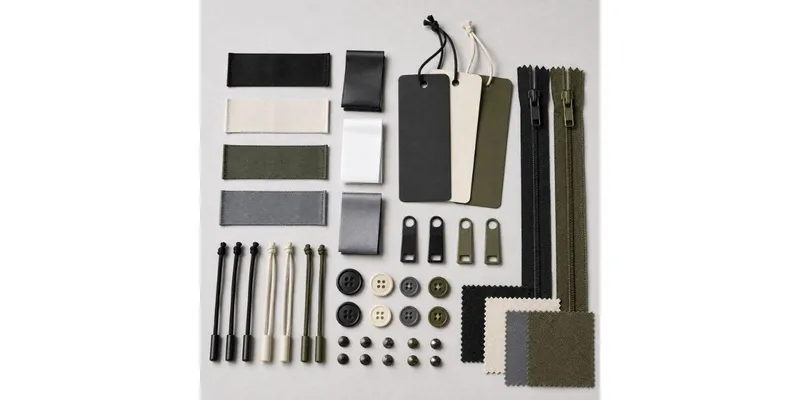
- Decoration and trims: Check print or embroidery placement, zipper brand and specification, drawcords and eyelets.
The sample should be rejected or conditionally approved with a written list of outstanding issues. Conditional approval must clearly identify which activities may proceed and which remain on hold.
A PP sample approved for fit but not for colour should not release bulk cutting for that colourway.
5. Conduct a Size-Set Check When Grade Rules Are New
When a factory is working with new grading rules or a revised block, a size-set review should be added before bulk production. This may involve checking sizes S, M, L and XL.
The purpose is to identify grading errors that may not be visible in the sample size. The record should specify which points of measurement (POMs) failed and whether the grade chart or pattern was corrected.
6. Introduce Inline Holds to Protect Approvals
Approval records are effective only when production can be stopped at the appropriate stages. For menswear cut-and-sew manufacturing, useful hold points include:
- After bulk fabric receipt: Compare shade bands with the retained standard and conduct spot checks of fabric width and weight.
- After cutting: Verify that bundle tickets match the correct colourway and size, and that notches and marker versions correspond to the approved pattern.
- After the first finished garments leave the line: Audit measurements at critical POMs, check shade against the approved standard, and verify decoration placement.
- Before packing: Complete the final AQL inspection or agreed sampling plan, and verify assortments, polybags and carton markings.
Each hold point should identify the responsible person and specify the evidence required for release, such as photographs, measurement sheets or written shade assessments.
7. Maintain Records for Future Reorders
When the first bulk shipment is dispatched, archive the records needed to reproduce the approved product. These should include:
- Approved lab dip and bulk lot IDs.
- PP sample photographs and measurement sheets.
- Final grade chart.
- Decoration artwork version.
- Signed release-to-pack approval.
Keeping these records linked to the style code makes it easier to reproduce a colourway when it needs to be reordered.
Limitations of the Approval Method
This process is intended for cut-and-sew programmes with identifiable fabric lots and buyers who review physical standards. It may be less useful for pure print-on-demand blanks, where colour is controlled by the blank supplier, or for programmes that change fabric mid-season without submitting a new lab dip.
The process does not replace contractual quality requirements or destination-market testing. Its purpose is to keep colour and fit decisions connected throughout production so that bulk output remains aligned with approved standards.