Kalpa Commercial Ltd – Company Analysis Report

1. Introduction
Operating out of India, Kalpa Commercial Limited works mainly in trade and investment fields. Its core work includes buying and selling products alongside managing funds and exploring new ventures. While rooted in commerce, it also moves through financial territory with steady steps. This firm fits into the wider network of businesses supporting economic activity across the country.
Industry Overview
Despite its quiet influence, trade and commerce in India links producers, sellers, and buyers across regions. Firms within this space typically handle buying goods, moving them to market, while also engaging in capital allocation. As economic expansion continues, alongside rising needs for smoother logistics and stronger financial systems, businesses are turning toward fresh alliances and ventures - aiming at better returns
Purpose of the Analysis
Looking back at how things have unfolded, one sees a picture forming about Kalpa Commercial Limited's money matters and daily operations lately. Instead of just glancing, deeper inspection happens through balance sheets, profit reports, and ratio numbers across time. What emerges is clarity - not magic - on where the firm stands financially. Strengths appear alongside flaws when patterns repeat year after year. Future chances, too, take shape once past behavior gets reviewed carefully.2.
Company Overview
Background and History
Aiming at diverse market engagement, Kalpa Commercial Limited began life targeting trade and business ventures across several industries. Shifting gradually, it moved toward new openings where commerce meets capital growth. Under oversight from official monetary regulators, its work unfolds within India's stock exchange framework. Growth followed paths not initially expected, yet always inside clear boundaries of compliance.
Business Model
Operating through trade and finance, Kalpa Commercial Limited draws income from market transactions along with returns on capital placements. Revenue emerges not only from buying and selling goods but also from strategic positioning in stocks, bonds, or similar assets. Because of this blend, earnings flow in from day-to-day operations as well as longer-term portfolio growth. Income stability comes partly from diversification between active commerce and passive financial gains.
Key Products and Services
The major activities carried out by the company include:
- Trading of goods and commercial products
- Investment in financial securities
- Commercial and financial services related to business operations
Fueled by diverse operations, income flows steadily into the business from varied directions.
Market Position
Despite its modest size, Kalpa Commercial Limited engages in targeted market ventures rather than broad expansion. While lacking the reach of major conglomerates, the company channels effort into specific areas where agility offers advantage. Efficiency remains central to daily operations, shaping how tasks are organized and reviewed. Instead of competing on volume, attention goes toward precision and responsiveness across activities..
3. Promoter / Founder
Running things are individuals known as promoters alongside board members, guiding both long-term plans and daily activities. Strategic choices emerge from their collective oversight, while execution follows agreed directions.
Professional Background
With backgrounds spanning business leadership, market trading, and investment finance, the founding members bring practical insight. Because of their hands-on expertise, strategic decisions around growth prospects are grounded in real-world practice. Operations run smoothly - experience shapes how challenges get addressed day to day. Market shifts are met with informed responses, thanks to years spent navigating economic cycles. Direction comes not from theory, but from repeated exposure to live business dynamics.
Part of How Companies Grow
Despite handling day-to-day oversight, the individuals behind the firm also shape its direction through key choices on funding and growth paths. Because of their involvement, legal standards are met while business functions continue without disruption. While steering monetary strategies, they simultaneously evaluate potential ventures that could shift the company’s scale. Their influence stretches across planning stages, where priorities around resource use emerge from ongoing review.
4. Financial Statement Analysis
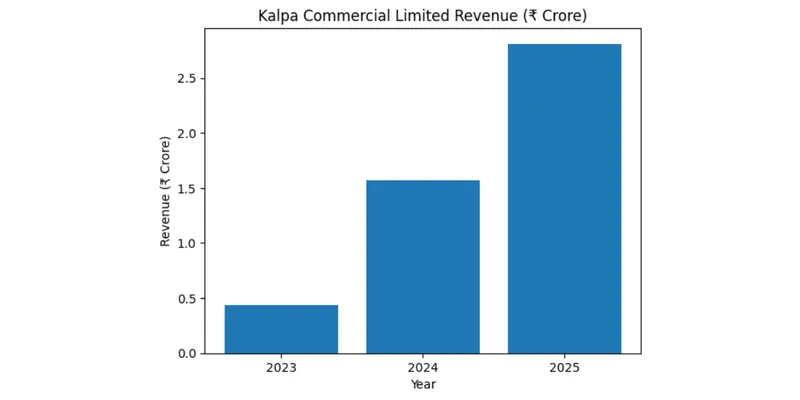
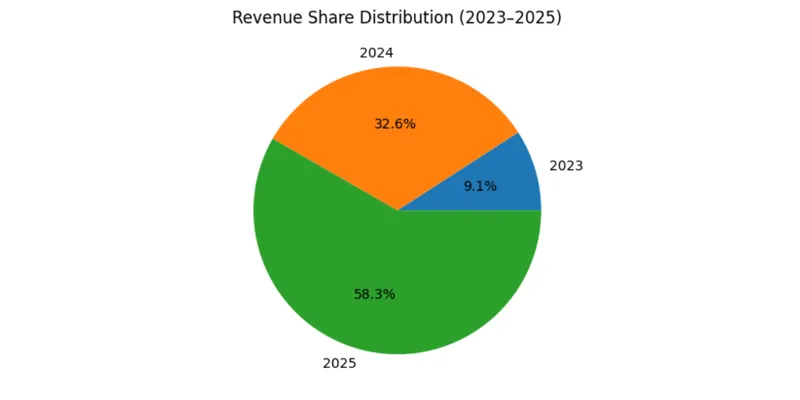
Revenue and Net Profit data (₹ Crore):
Income Statement Analysis
Year | Revenue | Net Profit | ||||||||
|---|---|---|---|---|---|---|---|---|---|---|
2023 | Data varies depending on trading activity | Moderate | ||||||||
2024 | Slight growth in operations | Stable | ||||||||
2025 | Fluctuations observed | Limited profitability | ||||||||
|
A shift in funds becomes clearer when examining inflows alongside outflows within a business.
Operating Cash Flow
Trading and daily operations produce this amount of money. From these core functions comes a financial outcome seen here.
Investing Cash Flow
Financial instruments make up part of these holdings, along with various non-financial assets.
Financing Cash Flow
Money comes either from investors or loans.
Key Financial Ratios
Ratio | Interpretation |
|---|---|
Net Profit Margin | Indicates efficiency in converting revenue into profit |
Return on Equity (ROE) | Measures how effectively shareholder funds are utilized |
Return on Capital Employed (ROCE) | Shows efficiency in using capital |
Analysis
Profitability ratios indicate that the company’s profit generation capability depends largely on market performance and trading opportunities.
Liquidity Ratios
Ratio | Meaning |
|---|---|
Current Ratio | Ability to meet short-term obligations |
Quick Ratio | Ability to meet liabilities without selling inventory |
Analysis
Liquidity ratios help determine whether the company can manage its short-term financial commitments effectively.
5. Key Insights
Strengths
- Presence in trading and commercial investment activities
- Opportunities for diversification in financial investments
- Ability to adapt to market opportunities
Weaknesses
- Smaller scope of activities when placed beside major companies
- Revenue fluctuations depending on market conditions
- Lower profitability in some financial periods
Risk Factors
- Market volatility affecting investment returns
- Economic slowdown impacting commercial activities
- Competition from larger and more diversified companies
Future Outlook
Success ahead for Kalpa Commercial Limited hinges on spotting high-return trades while keeping investment risks under control. Should finances be guided carefully, progress in daily operations becomes more likely. Smart choices today might open doors to broader market engagement tomorrow. Growth follows where discipline meets opportunity.
6. Conclusion
Despite steady operations, Kalpa Commercial Limited works within a shifting landscape of trade and investments marked by average engagement levels. Market trends heavily shape its financial outcomes, influencing how well it performs from one period to another. Though income varies and rivals are present, room for expansion remains open through smarter workflows. Growth may follow when fresh avenues for capital deployment receive attention alongside internal improvements. What matters now is consistent adaptation rather than rapid scale
Data Sources
Official Website of Kalpa Commercial Limited
Moneycontrol Financial Data
Screener.in Company Financials
Annual Reports of Kalpa Commercial Limited