Kaiser Textile’s Serdar Demircioğlu on Sustainable Denim Washing and the Future of Laundry Technologies
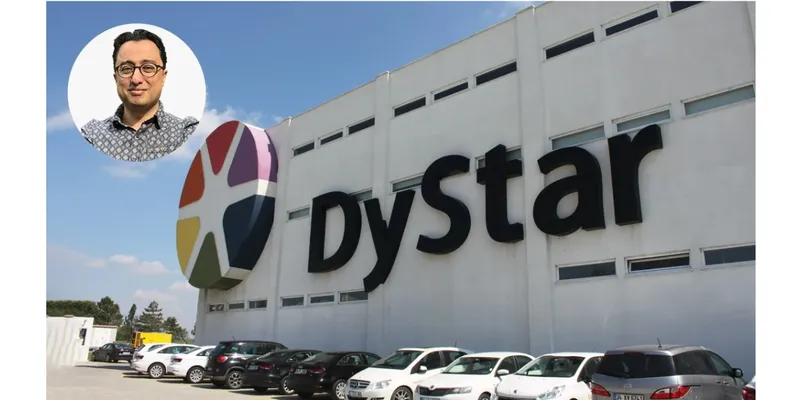
Marketing Director Serdar Demircioğlu discusses chlorine-free bleaching, alternatives to traditional denim finishing chemicals, resource-efficient processing and opportunities in the Egyptian denim industry.
Kaiser Textile, a global provider of laundry auxiliaries and colorants, is focusing on sustainable solutions for denim laundries through alternative washing and finishing technologies. Drawing on DyStar’s heritage of more than a century in textile product development and innovation, the company works with customers across more than 35 countries.
In this interview, Serdar Demircioğlu, Marketing Director, Kaiser Textile, discusses the company’s Zero concept, its latest chlorine-free bleaching technology, technical support for denim manufacturers and the technologies expected to shape the future of denim processing.
Moving Away from Traditional Denim Washing Processes
How is Kaiser Textile helping denim laundries move away from traditional processes involving pumice stones, potassium permanganate and hypochlorite?
At Kaiser Textile, we believe the future of denim washing lies in rethinking traditional processes and replacing conventional, high-impact techniques with more innovative and responsible technologies.
Through our Zero concept, we offer alternative solutions to eliminate pumice stones, potassium permanganate and hypochlorite from denim finishing processes. Lava Cell NSY combined with Lava Con KKT Powder completely replaces pumice stones, delivering abrasion and stonewashed effects through enzyme technology without the need for physical stones. PAL + PAL Activator provides an alternative to potassium permanganate for achieving localized and overall bleaching effects.
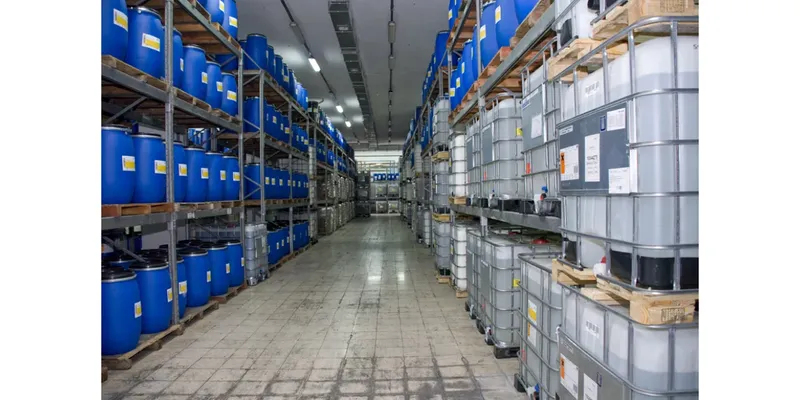
For bleaching applications, our latest innovation, Lava Jeans FB + Lava Con FBA, offers a chlorine-free alternative to conventional hypochlorite bleaching, enabling laundries to create full bleach, marble and other bleaching effects.
Our objective is not simply to replace individual chemicals, but to rethink the entire washing process and help laundries achieve the desired aesthetics through more responsible technologies.
Chlorine-Free Bleaching for Denim
What makes your new chlorine-free bleaching technology, Lava Jeans FB + Lava Con FBA, different from conventional bleaching methods?
Lava Jeans FB + Lava Con FBA is one of our latest innovations in denim bleaching. It provides a chlorine-free alternative to conventional hypochlorite bleaching, allowing laundries to achieve a wide range of bleaching effects, including full bleach and marble effects.
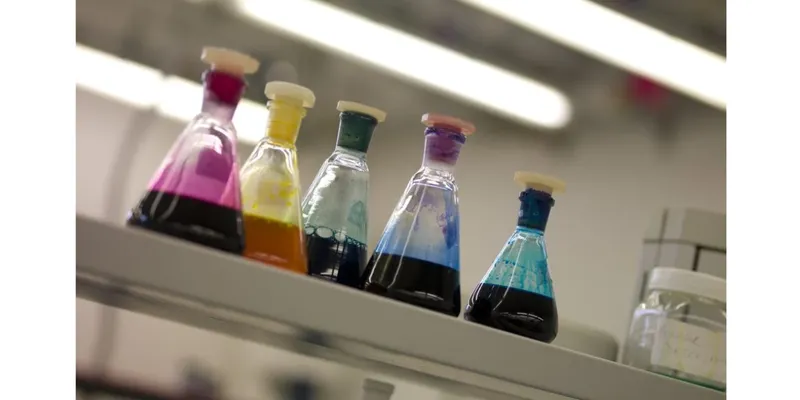
What makes this technology particularly interesting is its ability to combine creative flexibility with a more responsible approach to denim finishing. It also offers an important advantage when working with sensitive fabrics, particularly stretch denim, where maintaining fabric quality and performance is critical.
We believe that bleaching should no longer be limited to conventional chlorine-based methods. With innovative technologies such as Lava Jeans FB + Lava Con FBA, laundries can explore new possibilities in bleaching while moving towards more sustainable processing.
Reducing Resource Consumption in Denim Processing
What innovative solutions can help laundries achieve desired denim aesthetics while reducing water, chemical and energy consumption?
Sustainable denim processing is not about sacrificing aesthetics; it is about achieving the same or even better results with smarter processes.
We see several technologies playing an important role in this transformation, including enzyme-based abrasion and biopolishing, alternative bleaching systems, ozone applications, laser technologies and optimized washing sequences.
By replacing conventional stonewashing with enzyme technologies, reducing the need for traditional bleaching chemicals, and integrating technologies such as ozone and laser into the finishing process, laundries can simplify process steps and potentially reduce resource consumption.
Our focus is always on evaluating the complete process rather than looking at individual products in isolation. Combining the right technologies, optimizing recipes and eliminating unnecessary process steps can make a significant difference in both environmental impact and operational efficiency.
Technical Expertise and Process Development
As a global distributor of DyStar laundry auxiliaries and colorants, how does Kaiser Textile support laundries through technical expertise and process development?
Kaiser Textile is a global distributor of DyStar laundry auxiliaries and colorants, operating in more than 35 countries. Our role goes far beyond product distribution. We work closely with denim laundries, brands and manufacturers to develop processes, solve technical challenges and translate new technologies into practical applications.
Our technical approach is based on collaboration, knowledge sharing and hands-on development. In Türkiye, we operate our own washing laboratory and laundry facility, where we provide technical support, process development, collection washes, testing and training for our customers.
We work closely with DyStar, the manufacturer and technology developer behind our solutions, combining its product innovation, R&D and global expertise with Kaiser’s local market knowledge, technical service and customer relationships.
Our philosophy has always been “Sharing the Knowledge.” We believe that sustainable progress in the denim industry can only be achieved when technology and knowledge are shared across the entire value chain.
Opportunities in Egypt’s Denim Manufacturing Sector
How do you view the potential of Egypt’s denim manufacturing and laundry sector, particularly in adopting more sustainable and efficient technologies?
We see Egypt as a strategically important market for the denim industry, with strong manufacturing capabilities, an established textile ecosystem and significant potential for further development.
The Egyptian denim industry has an important opportunity to strengthen its position in the global market by investing not only in production capacity but also in technology, innovation, product development and more sustainable finishing processes.
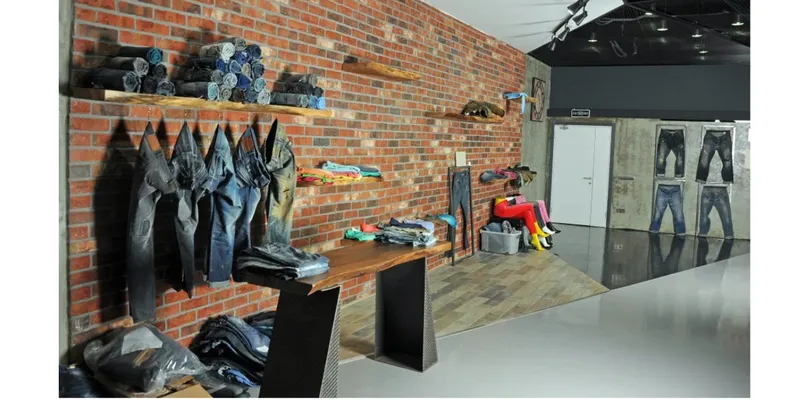
We believe that Egyptian laundries can benefit significantly from adopting alternative technologies that reduce reliance on traditional processes such as stonewashing, permanganate bleaching and chlorine bleaching. The transformation does not necessarily require completely new infrastructure for every application; in many cases, process optimization and the introduction of the right technologies can create meaningful improvements.
For Kaiser Textile, Egypt is a market where we see long-term potential. We are interested in building strong partnerships with local manufacturers and supporting them in their journey towards more efficient, innovative and responsible denim processing.
Technologies Shaping the Future of Denim Washing
What key technologies or trends do you believe will shape the future of denim washing, and how can Egyptian manufacturers prepare for this transformation?
We believe the future of denim washing will be shaped by the combination of chemistry, digital technologies and process innovation.
Enzyme technologies will continue to evolve, providing alternatives to mechanical abrasion and enabling more controlled surface effects. Ozone, laser and advanced bleaching technologies will become increasingly important in reducing dependence on conventional chemical-intensive processes. At the same time, process automation, recipe optimization and data-driven production will help laundries improve consistency, efficiency and repeatability.
Another important trend is the growing need to develop processes that are compatible with new fabric constructions, including stretch denim and regenerated cellulose fibers. As fabric innovation continues, laundry technologies will need to adapt accordingly.
For Egyptian manufacturers, we believe the best preparation is to invest in technical knowledge, experimentation and collaboration. The future belongs to laundries that can combine creativity, production efficiency, quality and environmental responsibility rather than relying solely on traditional washing techniques.
Kaiser Textile’s Participation at Denimsandjeans Egypt 2026
How was Kaiser’s experience at D&J Egypt 2026, and what key outcomes or opportunities did you gain from participating? What are your expectations for D&J Egypt 2027, and how do you see the Egyptian denim industry evolving in the coming years?
Participating in Denimsandjeans Egypt 2026 was a valuable opportunity for Kaiser Textile to strengthen its visibility in the Egyptian denim market, connect with industry professionals and exchange ideas about the future of denim washing and finishing.
Events such as D&J are particularly valuable because they bring brands, manufacturers, laundries, suppliers and technology providers together in one environment. For us, the most important aspect is creating meaningful connections and understanding the needs, challenges and expectations of the local industry.
We see growing interest across the denim industry in technologies that can improve efficiency, achieve innovative aesthetics and reduce the environmental impact of traditional finishing processes. Egypt has strong potential to become an increasingly important player in this transformation.
Looking ahead to D&J Egypt 2027, we expect the event to continue growing as an important platform for innovation, collaboration and business development. We look forward to strengthening our relationships in Egypt, introducing our latest technologies and working together with local partners to support the next generation of denim finishing.
We believe that the future of the Egyptian denim industry will be driven by manufacturers who combine strong production capabilities with innovation, technical expertise, sustainability and a willingness to embrace new technologies.