ITAMMA 29th Product-cum-Catalogue Show on Textile Machinery & Technical Textiles
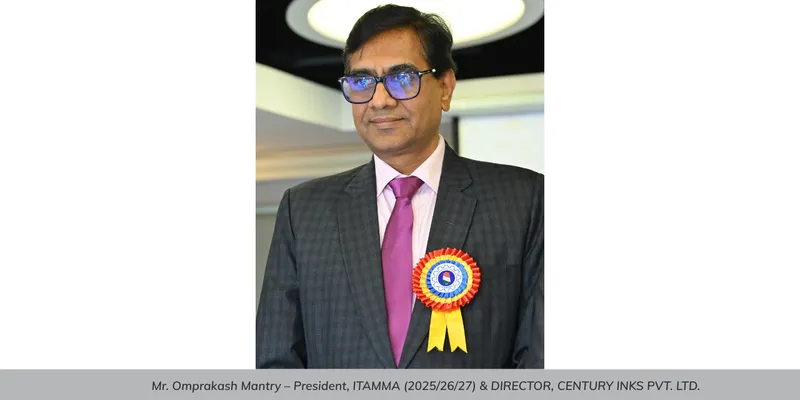
India’s textile and textile engineering industries are entering a decisive phase of transformation, driven by rapid growth in man-made fibres (MMFs), technology integration, and the need for sustainable manufacturing. Against this backdrop, the Indian Textile Accessories & Machinery Manufacturers’ Association (ITAMMA) will organise its 29th Product-cum-Catalogue Show on 31 January 2026 at Ranbanka Heritage Resort, Bhilwara, alongside Academia Connect, Technology Networking Mission, and a Business Meet on Technical Textiles.
The event aims to bring together machinery manufacturers, accessory suppliers, textile producers, academia, and industry stakeholders to discuss market trends, technology requirements, and future opportunities across the textile value chain.
Globally, the textile machinery market was valued at USD 27.8 billion in 2022 and is projected to grow to USD 42.2 billion by 2030. In India, the textile machinery industry comprises around 3,000 manufacturing units, with a market size expected to reach USD 2.02 billion by 2033.
Currently, the Indian textile engineering sector meets about 60% of domestic demand for machinery, with 94% capacity utilisation, exports worth approximately ₹6,000 crore, and imports of around ₹15,200 crore in textile machinery and accessories. The industry has set a target to reach ₹25,000 crore in value by 2025.
India’s long-term textile vision for 2047 includes becoming a global manufacturing hub with USD 600 billion in exports, a USD 1.8 trillion domestic market, and a USD 309 billion technical textiles sector. Achieving this vision will require significant expansion in fibre availability, particularly in MMFs, which already account for 75% of global textile consumption.
With India aiming to strengthen its position in MMF textiles, growth targets include USD 150 billion in overall market value, USD 95 billion domestically, and USD 100 billion in exports over the next few years. This shift places increased importance on innovation, sustainability, compliance, and advanced machinery solutions.
Digitalisation and artificial intelligence are increasingly enabling traceability and efficiency across the textile supply chain—from fibre and yarn to garments, retail, and fashion—helping manufacturers align production with global market requirements.
Employment generation also remains a critical focus. The garment sector creates significantly higher employment opportunities compared to upstream textile processes, reinforcing the need for garment-led growth to meet India’s long-term objectives.
To support these evolving needs, the textile engineering industry must deliver high-performance machinery, durable spares, and accessories capable of handling MMF-intensive production while maintaining cost efficiency and operational reliability.