Inside the Recycling Challenge: RiBotl on Contamination, Segregation, and the Road to Virgin-Quality rPET
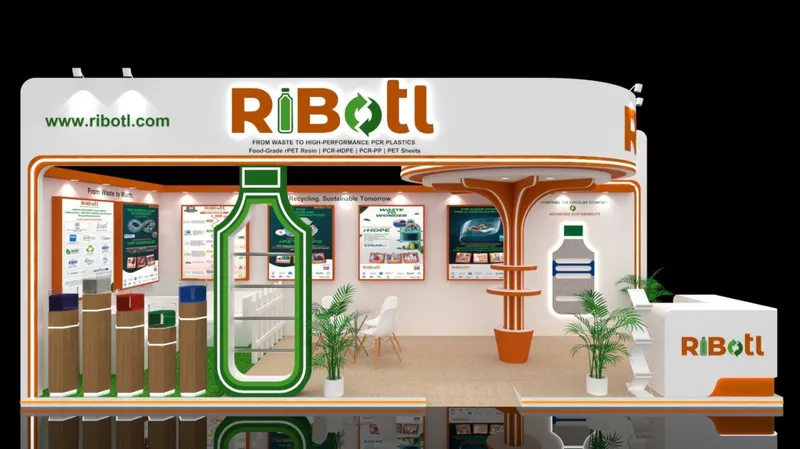
An exclusive conversation with Dheeraj Sharma, Sales & Administration Manager at RiBotl, from the floor of Plastics Recycling Show India 2026.
The plastics recycling industry is often discussed in terms of tonnage and targets. But on the ground, the real work happens molecule by molecule, contaminant by contaminant. At the recent Plastics Recycling Show India (PRS India) 2026 in Mumbai, the TVC Media team had the privilege of sitting down with Dheeraj Sharma, Sales & Administration Manager at RiBotl, a PCR manufacturer focused on rPET chips, rHDPE granules, rPP granules, and PET sheets.
In a candid conversation, Mr Sharma unpacked the daily realities of producing high-quality recycled granules from a feedstock stream that is anything but predictable—and explained why the biggest bottleneck in Indian recycling might not be technology, but segregation at the source.
Editor’s Note: This interview transcript has been lightly edited for clarity, grammar, and readability. Every effort has been made to preserve the speaker’s original voice, views, and meaning. No substantive content has been added or rewritten.
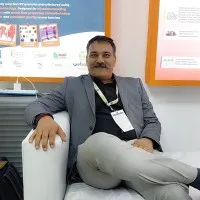
Dheeraj Sharma
Sales & Administration Manager
RiBotl
What problem in the recycling value chain does your technology solve?
We face many challenges while producing recycled granules. First of all, the material we get from the market has so many contaminations. We have set up facilities to remove all these contaminations from what the scrap vendors supply, so that we can turn it into a finished, reusable product.
How can digitalization or automation improve recycling efficiency?
It's very useful. If our product doesn't reach the right customer through digitalization, we are unable to sustain what we are producing for the market.
Can your technology help improve material traceability, from waste collection to recycled output?
Yes, definitely. We use various technologies, such as polymer sorters and color sorter machines. They help us deliver our finished goods as the right product to the customer, one that is usable again in the final product.
What innovations are you showcasing at PRS today?
The platform is very useful for adopting new technologies and for hearing people share their experiences across the recycling manufacturing process. That makes the entire process easier and more convenient.
Where do you see AI making the biggest impact in recycling?
AI is useful for things that are complicated and very complex to define, like our recipes. It helps us set up our production process much more easily compared to the manual system.
You met many clients today. What are their demands in recycling, and what are they asking about your products?
Over the last three days, many people have been enthusiastic about recycling products and recycled materials. Many are interested in setting up their own operations to make the environment cleaner and to make plastic waste reusable. People from across society are coming forward to bring this waste back into use as plastic material.
What challenges is India facing in plastic recycling, and what solution would you offer?
My main concern is the segregation of plastic waste. If the material reaches our industry segregated, it is very easy for us to remove the contamination. Right now, we receive very mixed waste, which is very hard to segregate. I believe that if people and brand owners make the public aware of keeping plastic waste segregated, it becomes much easier to reprocess.
How can this segregation challenge be overcome?
If plastic is put out separately, or if the government adopts systems for segregated collection of waste, and each and every person gets involved in that system, it becomes much easier to reuse the entire waste.
How has your experience at PRS been over the last few days?
PRS is a platform where all the recyclers share their technology and products with society, and where we also gain information. We have been in the recycling industry for 38 years, so we are well aware of the challenges in producing our product. We can share these hurdles with newcomers, who can directly adopt the technology we have and take the entire system to the next level.
What is your future plan and vision for RiBotl?
Definitely, we can try to make these recycled granules reusable in such a way that virgin will definitely dominate our recycled product.
To see the full interview with Dheeraj Sharma of RiBotl, and to explore more conversations with leading figures from the textile and recycling industry, check out the TVC Media YouTube channel. You'll find exclusive interviews, insights, and on-the-ground coverage from the events shaping the future of sustainable materials.