Industry Groups Propose U.S. Textile and Apparel Trade Incentive Program to Offset Tariff Costs
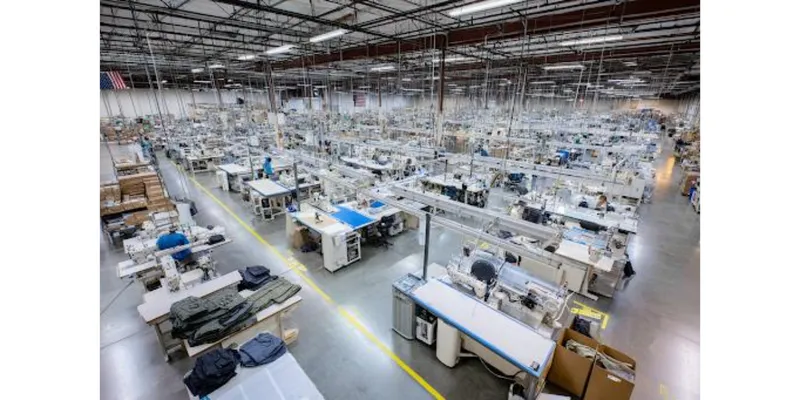
Joint proposal aims to strengthen domestic manufacturing, expand Western Hemisphere supply chains and reduce sourcing dependence on Asia
In a collaborative move, the National Council of Textile Organizations (NCTO), American Apparel & Footwear Association (AAFA), United States Fashion Industry Association (USFIA) and the U.S. Industrial and Narrow Fabrics Institute (USINFI) have presented a joint trade policy proposal to the Office of the United States Trade Representative (USTR).
The proposal was submitted on Monday in connection with the recently completed Section 301 investigations into forced labor policies affecting dozens of global economies.
NCTO President and CEO Kim Glas is scheduled to present the joint proposal during testimony at the Section 301 hearings taking place from Tuesday through Thursday.
Focus on Domestic Manufacturing and Regional Supply Chains
The four organizations stated that the proposed framework is intended to:
- Reshore domestic textile and apparel manufacturing
- Strengthen Western Hemisphere textile and apparel supply chains
- Support brands and retailers in diversifying sourcing strategies
According to the associations, implementation of the initiative could contribute to growth in farming, manufacturing, exports and investment while creating approximately 56,000 new jobs in the United States.
How the Proposed Incentive Would Work
Under the proposed program, apparel brands and retailers would earn tariff credits when purchasing Made-in-the-U.S.A. textiles and qualifying apparel products manufactured in Western Hemisphere countries that have free trade agreements with the United States, including:
- Dominican Republic-Central America Free Trade Agreement (CAFTA-DR)
- United States-Mexico-Canada Agreement (USMCA)
The industry groups stated that these tariff credits could then be used to offset Section 301 tariffs applied to apparel imports from eligible countries designated by USTR.
The proposal also indicates that companies would generally receive credits equal to 20% of the declared customs value of qualifying USMCA or CAFTA-DR textile and apparel products. Additional incentives would be available for products incorporating U.S.-made yarn or fabric.
Expected Industry Impact
According to the proposal, the incentive program could potentially increase U.S. textile exports to Western Hemisphere trading partners to $29 billion annually, while supporting investment in domestic manufacturing facilities.
The associations noted that stronger regional sourcing could also reduce the apparel industry's reliance on Asian manufacturing by increasing the market share of free trade agreement partners in the Western Hemisphere.
Industry Data
The organizations highlighted several industry figures to support the proposal:
- U.S. textile and apparel manufacturers produced nearly $61 billion in products last year.
- The sector employs approximately 453,000 people across the United States.
- Combined U.S. fibre, textile and apparel exports totalled $27 billion, with 70% exported to countries across the Americas.
- Apparel brands and retailers generated $440 billion in sales during 2025, supporting more than 2.5 million U.S. jobs.
- Together, the broader textile, apparel and retail industry contributes approximately $500 billion annually to the U.S. economy while supporting more than 3 million jobs, according to the associations.
Forced Labour Enforcement
The proposal also states that the incentive program could encourage countries to strengthen enforcement measures against goods produced with forced labour by linking trade benefits to compliance efforts.
The associations said such a framework would support domestic textile production while encouraging stronger supply chain standards among participating trading partners.