Industrial Oxygen Generator Market to Reach $12.47B by 2030
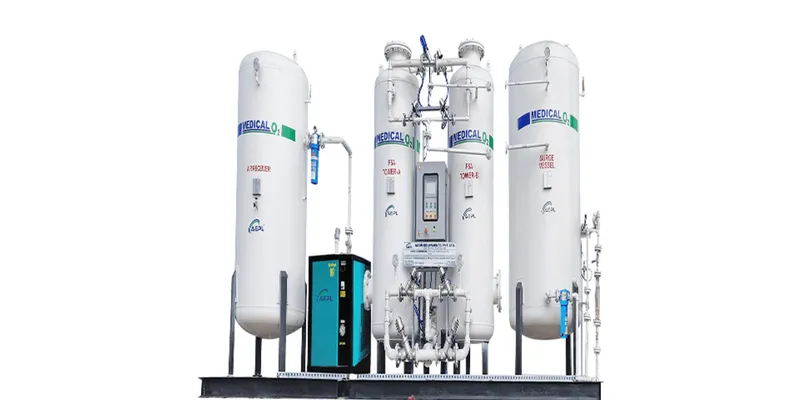
The Industrial Oxygen Generator Market, segmented by gas type, flow rate, size, design, technology, end-use industry, and region, is projected to grow from USD 8.36 billion in 2025 to USD 12.47 billion by 2030, registering a CAGR of 8.3% between 2026 and 2030. Key growth drivers include rapid industrial development in regions such as Asia Pacific, North America, and Europe, where sectors like chemical & petrochemical, medical & healthcare, metal processing & mining, and aquaculture are fueling demand.
Industries including metal fabrication, glass manufacturing, and wastewater treatment are increasingly adopting oxygen generator systems. On-site oxygen supply improves process efficiency, enhances product quality, and reduces operational costs, making it a preferred alternative to conventional bulk oxygen delivery methods.
Key Players in the Market
- Air Liquide (France)
- Air Products and Chemicals, Inc. (US)
- Atlas Copco (Sweden)
- Linde plc (UK)
- OXYMAT (Denmark)
- CAIRE Inc. (US)
…and several others.
Market Dynamics
- Drivers: Expansion of healthcare infrastructure is boosting hospital and clinic installations of oxygen generators.
- Restraints: Stringent regulatory and compliance standards may limit market growth.
- Opportunities: Increasing applications in electrical and electronics industries.
- Challenges: Specialized maintenance requirements pose operational barriers for users.
Regional Insights: South America
South America is expected to exhibit the second fastest-growing CAGR due to industrial expansion, infrastructure development, and rising healthcare needs. Growth in mining, metals, oil & gas, and chemicals is driving demand for reliable on-site oxygen supply to enhance production efficiency and meet environmental regulations.
The region’s mining sector, particularly in Brazil, Chile, and Peru, heavily relies on oxygen for metal refining and processing. Additionally, investments in wastewater treatment and aquaculture are increasing adoption, as on-site oxygen generation is more cost-effective than bulk deliveries.
Healthcare demand is another significant factor, with countries upgrading hospital infrastructure and oxygen delivery systems after prior supply shortages. Governments and private players are also focusing on on-site generation to reduce dependency on imported liquid oxygen and overcome logistical challenges in remote areas. Supportive policies, foreign investments, and technology transfer from global manufacturers are further accelerating market penetration, making South America one of the most dynamic regions for industrial oxygen generator adoption.
Also Read:
https://textilevaluechain.tempurl.host/in-depth-analysis/textile-market-report/ozone-generators-the-future-of-water-air-purification https://textilevaluechain.tempurl.host/news-insights/dyes-chemicals-news/gas-separation-membrane-market-worth-1-4-billion-by-2028-at-a-cagr-of-7-1