Indian Textile Exports Shocked by Sudden U.S. Tariff Hike
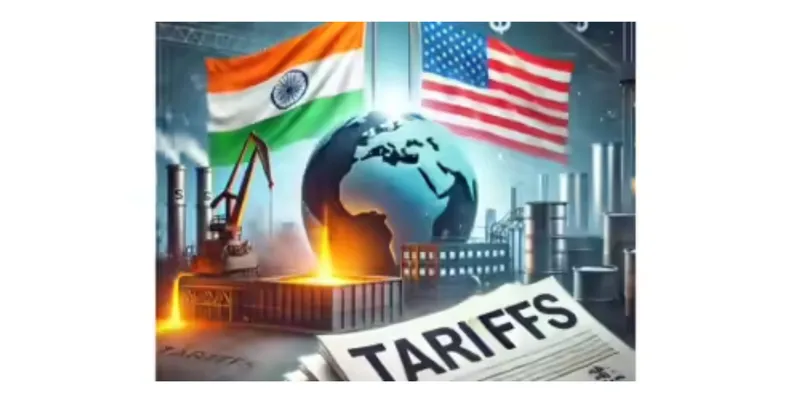
Just as India’s textile sector was gaining traction in global markets, the U.S. government's sudden imposition of a 25% tariff—accompanied by penal duties—has caught Indian textile and clothing exporters by surprise, potentially jeopardizing the country’s export growth momentum.
India has been pursuing an ambitious roadmap to scale up textile exports from USD 37 billion to USD 100 billion by 2030, with key trade agreements forming the backbone of this vision. Recent milestones include Free Trade Agreements (FTAs) with the UK, Australia, UAE, and Mauritius, and ongoing negotiations with the European Union and the United States.
However, this latest development from the U.S. side casts a shadow on those efforts. The textile industry had pinned high hopes on the India–U.S. Bilateral Trade Agreement (BTA) to secure tariff relief and improve competitiveness in the American market—India’s single largest destination for textile and apparel exports.
Reacting to the announcement, Dr. S.K. Sundararaman, Chairman of the Southern India Mills’ Association (SIMA), stated that the move has dealt a significant blow to the sector. “While we were celebrating the progress of the India–UK FTA, this unexpected step by the U.S. could derail our summer season orders, especially with the festive season around the corner,” he said in a press release issued today.

Dr Sundararaman K S (Chairman}
Dr. Sundararaman noted that India exports approximately USD 11 billion worth of textiles and garments to the U.S., accounting for nearly 30% of total garment exports. Between 2020 and 2024, India's market share in U.S. garment imports grew from 4.5% to 5.8%, a clear sign of rising competitiveness.
However, India’s textile products—particularly made-ups and ready-made garments—are already subject to high tariffs, up to 16%, which erodes price competitiveness. While the new 25% tariff is in line with or even lower than those faced by competitors, Dr. Sundararaman raised alarms about the penal duties, the impact of which remains unclear at this stage.
He urged the Hon’ble Prime Minister to intervene directly with the President of the United States, advocating for a withdrawal of the penal tariff component and an acceleration of the bilateral negotiations scheduled for October–November 2025.
Despite the setback, Dr. Sundararaman expressed confidence in the Indian leadership’s diplomatic capabilities. He reiterated that the industry remains hopeful for a favourable trade resolution, one that protects the growth trajectory of India's textile sector in key global markets.