Indian Exporters Must Meet EU Quality Standards Under Proposed FTA
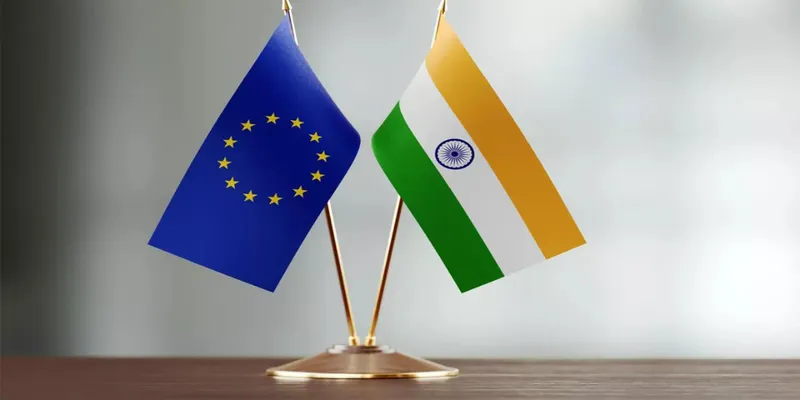
Officials say compliance with EU regulations will be essential for exporters seeking tariff benefits under India-EU trade pact
Indian exporters seeking tariff elimination benefits under the proposed India-EU free trade agreement (FTA) will need to align with the European Union’s quality and regulatory requirements, officials said.
“Compliance is something on which we have to all work. And work is required in preparing ourselves in terms of ensuring that we produce quality goods, we take proper certifications and we comply with the requirements of the importing country. For that, we have to improve our systems. At the same time, the FTA provides for a number of mechanisms to ensure that technical regulations do not become impediments,” said Darpan Jain, Additional Secretary, Ministry of Commerce.
The report stated that mechanisms including early warning transparency, rapid action systems and joint TBT & SPS committees have been built into the agreement to ensure that genuine regulations do not become barriers to exports.
The India-EU FTA, which aims to eliminate tariffs on 99 per cent of India’s exports by value to the European region, is expected to be implemented next year after legal review and ratification procedures, including approval by the European Parliament.
Officials said compliance with the EU’s regulatory standards would remain critical because the bloc has indicated that “human, animal, and plant health are non-negotiable,” according to development economist Biswajit Dhar.
“Though the government is optimistic about its gains from this FTA, the realisation of benefits may not be as straightforward as it appears, given that the EU is an extensive user of standards, or non-tariff measures,” Dhar said.
The article stated that around 99.5 per cent of Indian exports are expected to receive preferential tariff treatment under the agreement. Labour-intensive sectors including apparel, textiles, leather, footwear, gems and jewellery are expected to benefit from duty reductions.
Products currently facing EU duties ranging from 10-14 per cent, and up to 26 per cent in some categories such as marine products, may receive full tariff elimination under the proposed pact.
The combined imports of India and the European Union account for roughly one-third of global trade in goods and services, the report noted.
FICCI Secretary General Anant Swarup said the European Union accounts for about 12 per cent of India’s total merchandise trade and added that the focus now should be on translating trade agreements into practical gains for industry, exporters, MSMEs and service providers.