India–EU FTA Removes Textile Tariffs, Opening EU Market to Indian Powerloom Sector
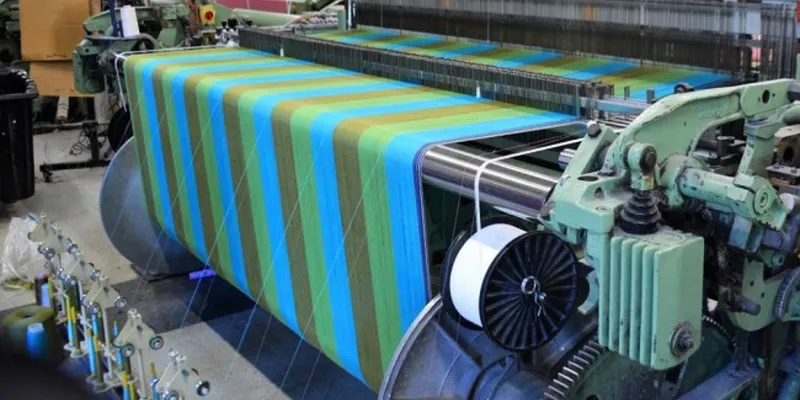
The Powerloom Development & Export Promotion Council (PDEXCIL) has acknowledged the recently finalised India–European Union Free Trade Agreement (FTA), noting that the pact removes import duties of up to 12% on textile products and provides Indian powerloom exporters access to the European Union’s import market valued at €263.5 billion.
According to PDEXCIL, the agreement improves India’s competitive position against other exporting nations such as Bangladesh and Turkey. The removal of tariff barriers is expected to benefit the decentralised powerloom industry, which operates largely through MSME clusters and provides employment to millions of workers across the country.
Powerloom manufacturing accounts for more than 60% of India’s total fabric output. Under the FTA, products such as yarns, cotton fabrics, man-made fibre textiles and home furnishing items—key categories imported by the EU—will receive zero-duty access.
India’s textile exports to the European Union have reached approximately USD 7.2 billion in recent years, with woven fabrics and made-ups forming a significant share of shipments from the powerloom segment. Industry representatives believe the agreement may help stabilise export orders and improve capacity utilisation in major production hubs including Erode, Ichalkaranji, Panipat, Bhiwandi, Ahmedabad and Surat.
PDEXCIL also highlighted the potential impact on employment and MSME growth. The textile and apparel sector employs around 45 million people directly, and the agreement could support job creation by enabling smaller enterprises to scale operations and integrate more deeply into European supply chains focused on sustainable and value-added textiles.
The council added that lower dependence on imported inputs and streamlined alignment with EU regulatory standards may encourage investment in cleaner production technologies and machinery modernisation.
Looking ahead, PDEXCIL projects a significant increase in powerloom exports to EU markets over the next five years, citing expectations of technology collaboration and joint ventures, particularly in technical textiles.
Commenting on the development, PDEXCIL Chairman K. Sakthivel said the agreement strengthens the sector’s ability to withstand global market fluctuations and positions small and medium weavers as preferred partners for European buyers through tariff preferences and regulatory coordination.
PDEXCIL represents more than 25 lakh powerlooms across India and works to promote exports through policy advocacy, trade promotion initiatives and exporter support schemes such as interest subvention.