India Waives Cotton Import Duty Until October 31 to Support Textile Industry
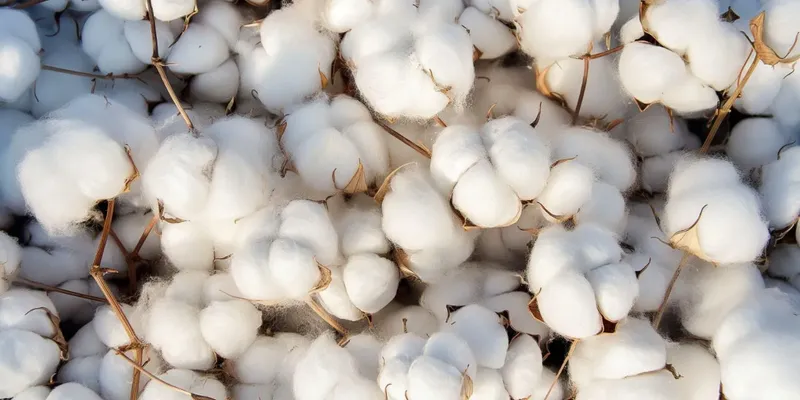
Temporary customs duty exemption on cotton imports effective from June 1 aims to improve raw material availability and reduce input costs
The Finance Ministry has announced a temporary exemption on customs duty for cotton imports from June 1, 2026, until October 31, 2026. The measure removes the current 11 per cent import duty and is intended to increase cotton availability for the textile sector. The notification was issued by the Central Board of Indirect Taxes and Customs (CBIC).
The Government of India has decided to exempt cotton imports from customs duty for a period of five months, beginning June 1, 2026. At present, cotton imports attract an 11 per cent duty.
The decision was announced by the Finance Ministry on Saturday following a notification issued by the Central Board of Indirect Taxes and Customs (CBIC).
“To augment the availability of cotton for the textile sector, the Centre has temporarily exempted all Customs duties on import of cotton from June 1, 2026, till October 31, 2026,” the Ministry said after the CBIC notification. “The temporary duty exemption is expected to reduce input costs across the textile and apparel sector, thereby providing a targeted relief to manufacturers and consumers, while also keeping the interests of domestic farmers in mind,” the Ministry added.
The duty was previously removed between August and December 2025, when elevated US tariffs had begun affecting manufacturing and investment activity.
According to industry sources, the textile sector, which is the country’s second-largest employer, requires a stable supply of high-quality cotton. In view of the continued demand-supply gap, the government has introduced the import duty exemption.
Officials indicated that the measure is expected to support input cost stability across the textile value chain, including yarn, fabric, garments, and made-ups. The exemption is also expected to assist manufacturers and consumers while maintaining competitiveness in international markets.
Industry representatives noted that many cotton imports are intended for specialised industrial applications or export-linked contracts and do not replace domestically produced cotton.
Impact on Exports and Manufacturing
Officials stated that improved access to affordable, high-quality cotton could strengthen India’s position in export markets and support order flows for small and medium enterprises as well as export-oriented units.
The textile-apparel value chain employs more than 45 million people. According to officials, ensuring a stable cotton supply is important for maintaining employment and supporting industry growth. They also noted that consistent raw material availability could encourage the production of higher-value fabrics and garments, supporting the government’s ‘Make in India’ and domestic manufacturing objectives.
MSP Increased for 2026–27 Cotton Season
Officials also stated that farmers’ interests continue to be protected through the minimum support price (MSP) mechanism operated by the Cotton Corporation of India Ltd. (CCI).
For the 2026–27 marketing season, the Cabinet Committee on Economic Affairs increased the MSP for cotton by ₹557 per quintal. The revised MSP has been fixed at ₹8,267 per quintal for medium-staple cotton and ₹8,667 per quintal for long-staple cotton.