India Hosiery Market to Reach New Heights by 2032
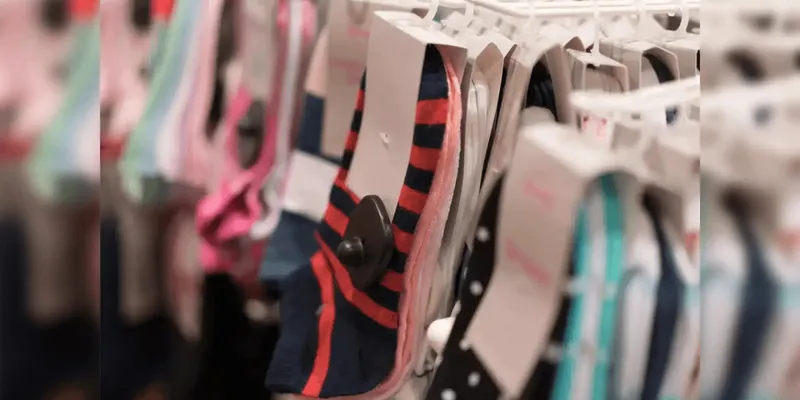
India’s hosiery market is on a strong growth trajectory, fueled by rising disposable income, changing lifestyles, and innovation across socks, stockings, and innerwear. Industry experts forecast robust expansion through 2032, with opportunities in urban and rural segments alike.
India Hosiery Market Overview
The India hosiery market, a vibrant segment of the country’s textile industry, was valued at US$ billion in 2022** and is projected to reach **US$ billion by 2032, reflecting a CAGR of $% from 2024 to 2032. This sector encompasses a wide range of products, including socks, stockings, and undergarments, which have gained popularity for their comfort, affordability, and versatility.
Rising disposable incomes, urbanization, and evolving lifestyles are fueling demand across age groups. The growing interest in fitness, yoga, and athleisure has also contributed to a surge in hosiery consumption. E-commerce penetration and changing demographic preferences are further reshaping demand patterns, creating opportunities for both domestic and international players.
Segment Insights
By Product Type:
Socks remain the dominant product type in the Indian hosiery market, accounting for a significant share in 2022. Their affordability, daily utility, and rising fashion appeal—from casual to sportswear—ensure steady demand across consumer segments. Other key segments include body stockings, knee-highs, hold-ups, and assorted hosiery products catering to diverse needs.
By End-User Application:
Men continue to lead consumption, with daily use of socks and undergarments for comfort and practicality. Increasing fashion consciousness among men has also amplified demand, making this segment a crucial driver of market growth. Women’s hosiery, meanwhile, is expanding, particularly in urban and premium segments.
By Geography:
Western India stands out as the leading region, with metropolitan hubs like Mumbai and Pune driving high purchasing power and fashion-forward consumer behavior. Urbanization, higher disposable incomes, and exposure to global fashion trends have positioned the west as a hotspot for hosiery demand. Other regions—north, south, and east—are witnessing steady growth, supported by rising rural income and lifestyle changes.
Market Dynamics & Trends
The India hosiery market is moderately fragmented, with approximately 500 service providers, while top players such as Lux Industries Ltd., Rupa & Co. Ltd., Dollar Industries Ltd., Bhartiya International Ltd., Bodycare Creations Ltd., Enamor, and Jockey India dominate. Competition is intense, with companies expanding production capacity, enhancing product innovation, and tapping export opportunities, particularly in Gulf countries.
Read more: https://reportocean.com/industry-verticals/sample-request?report_id=YA102
Recent innovations highlight the market’s evolution:
- Falke introduced pressure-free running socks in May 2022, designed to relieve foot pressure through unique striated pads.
- The Heist Studios launched sustainable tights in October 2021, made with recycled elastane and polyamide.
- SKIMS entered the hosiery space in September 2021 with a versatile sock collection in multiple fabrics and lengths.
Shifts in consumer behavior—rising disposable income, increased female workforce participation, and urban lifestyle changes—are boosting demand for fashion-forward and luxury hosiery items. Rural demand is also expected to recover strongly, supported by stable monsoons and moderated inflation.
Future Outlook
The India hosiery market is forecast to maintain steady growth through 2032, with a CAGR of ~$%. Government initiatives, such as the Comprehensive Economic Partnership Agreement with the UAE, could enhance textile exports, further bolstering revenue.
CRISIL Ratings predicts an 18–20% revenue growth for the hosiery industry in the current fiscal, potentially reaching ₹36,000 crore. Higher capacity utilization and operating leverage are likely to improve profitability, restoring operating margins to pre-pandemic levels of 12–14%.
Credits
Data and insights compiled from: ReportOcean, CRISIL Ratings, industry press releases, and company reports