India-EU FTA to Provide Market Access for 99.5% of Indian Exports
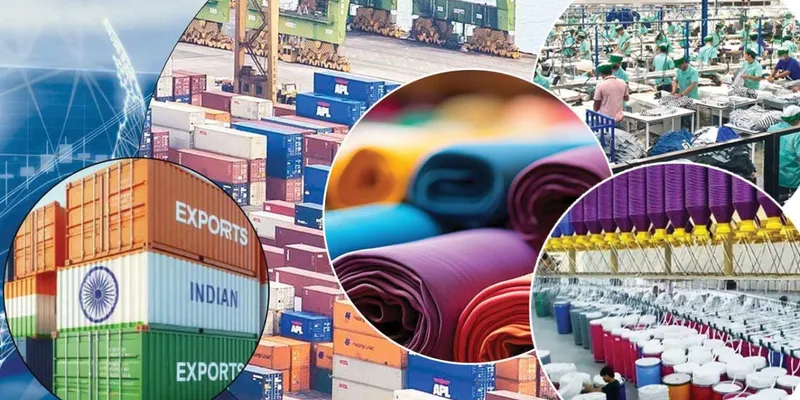
FICCI conference highlights trade opportunities under proposed India-EU Free Trade Agreement
India has crossed a major milestone in its trade negotiations with the European Union, senior officials and industry representatives said during a conference organized by FICCI and the Centre for Trade and Investment Law.
“We have climbed the mountain of negotiations. The bigger climb begins now — making it work on ground for every exporter, every investor and every job creator across India and Europe,” Additional Secretary in the Commerce Ministry Darpan Jain said at the event.
Jain, who is India’s lead negotiator for the India-US and India-EU FTAs, stated that 99.5 per cent of Indian exports would receive preferential tariff treatment under the agreement announced in January 2026.
According to officials, the agreement is expected to cover goods worth about $33 billion in labour-intensive sectors such as apparel, textiles, leather, footwear, and gems and jewellery. These sectors currently face EU duties ranging from 10–14 per cent, while some categories attract tariffs of up to 26 per cent.
Highlighting trade figures, Jain said India exports textiles worth $7.2 billion to the European Union, despite the bloc importing textiles valued at $263 billion annually. He also noted that India’s gems and jewellery exports to the EU stand at $2.7 billion, compared to EU imports of $80 billion.
The combined imports of India and the EU account for nearly one-third of global trade in goods and services, Jain said.
On services exports, Jain stated that India’s exports had reached $421 billion in the current financial year and were expected to close at $441 billion. The agreement covers 144 of 155 EU services sub-sectors and includes mobility provisions for IT professionals and intra-corporate transferees, along with a first-of-its-kind annexure for Ayurveda practitioners.
FICCI Secretary General Anant Swarup said the European Union accounts for nearly 12 per cent of India’s merchandise trade. “The task before us is to convert these agreements into practical gains for industry, especially for exporters, MSMEs and service providers,” he said.