India Bans Import of Goods Produced Using Forced Labour
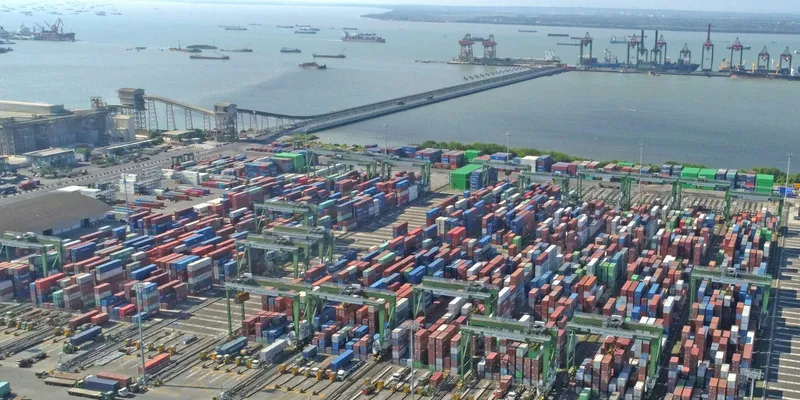
Government issues framework to curb imports linked to forced labour as US advances Section 301 tariff action.
India has introduced a framework to prohibit the import of goods produced using forced labour. The measure follows the issuance of an identification circular by the Directorate General of Foreign Trade (DGFT) dated July 13.
The framework defines forced labour as work or service extracted from any person under the threat of any penalty and for which the individual has not offered themselves voluntarily. The definition follows the International Labour Organization (ILO) Forced Labour Convention.
The framework is intended to regulate imports associated with forced labour, a government ministry official said. The official did not comment on how the government will determine whether forced labour was involved in specific imports.
In recent years, international investigations have linked forced labour in Xinjiang province in China to sectors including cotton, textiles, apparel and polysilicon used in solar panels. The province is home to Uyghurs, the largest ethnic group in Xinjiang, and is covered under America’s Uyghur Forced Labor Prevention Act, under which goods linked to Xinjiang are presumed to involve forced labour unless proven otherwise.
By adopting the ILO Forced Labour Convention definition without modification, India aligns its approach with the international standard used by several jurisdictions, including the United States domestically and the European Union, which has introduced similar measures against forced labour-linked imports.
According to a senior official, this is the first time India has issued a norm to restrict imports associated with forced labour.
The official said investigations involving Uyghur ethnic groups in Xinjiang province are presumed to involve forced labour.
The report noted that the Office of the US Trade Representative (USTR) released its withdrawal investigation report on forced labour in June.
Public comments on the proposed framework closed on July 6, and Washington is expected to take a final decision on tariffs after completing its submissions.
The final report is expected later this month, according to Commerce Secretary Rajesh Agrawal.
The proposed framework could affect imports from countries where investigations have identified concerns relating to forced labour, including Pakistan, Indonesia, Mexico and Canada, among others.
The order establishes a legal framework designed to prevent the import of goods manufactured using forced labour rather than initiating import restrictions. Abhijit Das, head of the Global Trade Research Initiative (GTRI), said the framework provides the legal basis for investigations and, where evidence is established, products linked to forced labour can ultimately be restricted.