India and Canada Resume CEPA Trade Negotiations After 2023 Pause
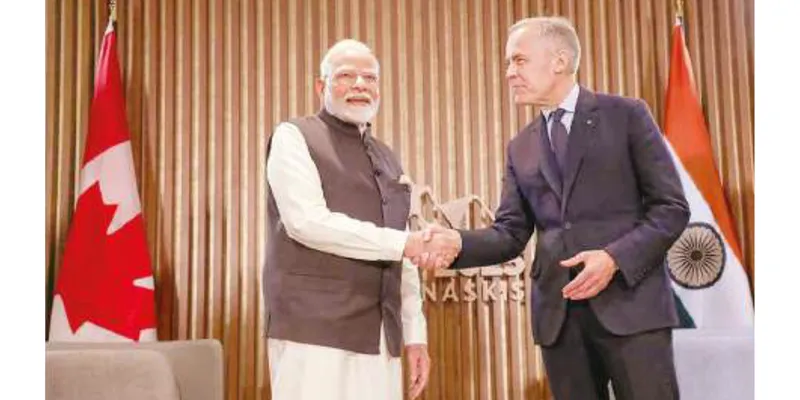
India and Canada on Monday commenced the second round of negotiations for a free trade agreement aimed at strengthening bilateral trade and investment relations.
The proposed agreement, officially referred to as the Comprehensive Economic Partnership Agreement (CEPA), includes discussions on trade in goods, services, and additional mutually agreed policy areas.
According to an official, the five-day negotiations began on May 4 in New Delhi. The first round of discussions was held in March.
The current round of talks is considered significant as Commerce and Industry Minister Piyush Goyal is scheduled to visit Canada later this month to review developments related to the negotiations.
Trade discussions between the two countries had earlier been paused in 2023. The negotiations have now restarted from the beginning following changes in the global trade environment over the last two years.
India and Canada have set a target of increasing bilateral trade to $50 billion by 2030. Bilateral trade stood at $8.66 billion in 2024-25, including exports worth $4.22 billion and imports valued at $4.44 billion.
Canada has a population of 41.65 million people in 2025 and a GDP of $2.34 trillion at purchasing power parity.
India’s key exports to Canada include pharmaceuticals, iron and steel, seafood, cotton garments, electronic goods, and chemicals. Canada exports pulses, pearls and semi-precious stones, coal, fertiliser, paper, and petroleum crude to India.
India’s services exports to Canada include telecommunications, computer and information services, and other business services.
Canada is also home to more than 425,000 Indian students and a large Indian community.
Joint Secretary in the Department of Commerce, Brij Mohan Mishra, is leading the Indian negotiating team, while Bruce Christie is serving as Canada’s chief negotiator.
India-Canada business ties have remained active despite diplomatic tensions. Bilateral trade between the two countries is estimated at around $8-10 billion annually. Investment activity continues across sectors including infrastructure, real estate, renewable energy, technology, and pharmaceuticals.
Canadian investors such as the Canada Pension Plan Investment Board and Brookfield Asset Management have invested in India, while Indian companies in sectors such as IT and pharmaceuticals maintain operations in Canada.
Relations between the two countries came under strain following allegations made by former Canadian Prime Minister Justin Trudeau in 2023 regarding India’s involvement in the killing of a Sikh separatist figure. India rejected the allegations, describing them as unfounded. Following the developments, CEPA negotiations were paused and business engagement slowed.
Despite these developments, both countries continue to explore opportunities in technology, clean energy, digital services, and critical minerals.