Manipuri Innaphi: A Symbol of Manipuri Heritage
BY Akoijam Angelina, Student -M. Design, First year, Renaissance University, Indore
Ananya Sharma , Assistant Professor, Renaissance University, Indore
The Manipuri Innaphi, one of the most elegant and culturally significant textiles of Manipur, is celebrated for its fine craftsmanship and timeless beauty. Traditionally worn by Manipuri women as an upper garment, the Innaphi forms an integral part of the Phanek-Innaphi attire, symbolizing modesty, dignity, and refinement. Its delicate weave—created using soft cotton or lustrous silk—highlights the exceptional skill of Manipuri artisans who have preserved this weaving tradition for generations.
The Innaphi distinguishes itself by its lightness, translucence, and intricate patterns, reflecting Manipur's artistic imagination. Artisans often draw inspiration for the designs from nature, mythology, and age-old motifs, giving the fabric visual appeal and cultural significance. The Manipuri Innaphi goes beyond a simple garment and serves as a living heritage, linking the present with Manipur's historical identity, social customs, and textile legacy.
Today, people cherish the Innaphi not only as everyday attire but also as a symbol of pride duri The ng festivals, ceremonies, and cultural celebrations—demonstrating Manipur's rich artistic tradition through this remarkable testament.
History & Evolution of Innaphi
Traditionally, Innaphi was woven from a coarse material known as “uriphi”—derived from the bark of creeping plants. This gave the cloth a rough texture, suited to everyday use rather than aesthetics.
Over time, artisans began substituting bark-derived fibre with cotton and silk. This transition allowed Innaphi to evolve from a purely functional garment to a refined piece of clothing with translucent quality and elegance.
Today’s Innaphi often showcases fine weaving, intricate motifs (or simple elegance), and high aesthetic appeal—making it suitable for ceremonies, festivals, and even modern fashion statements. Despite these changes, the fundamental essence of Innaphi—a wrap for the upper body—remains unchanged, preserving its connection to Manipuri tradition.
The Artisans: Custodians of an Oral Craft
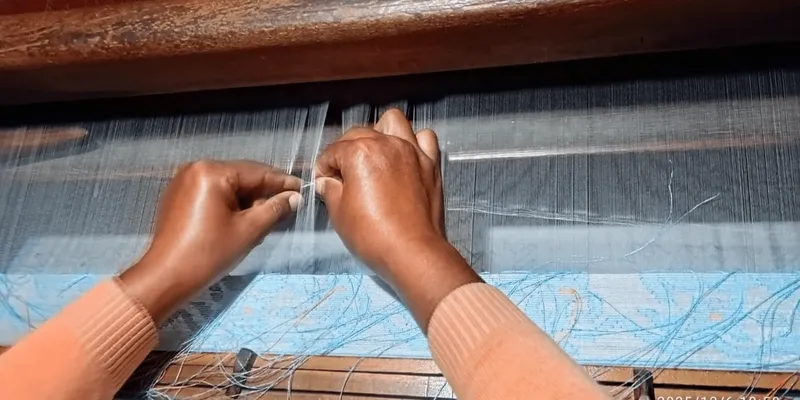
Innaphi weaving is primarily a household, women-centred craft. Knowledge passes from mother to daughter: shuttle handling, dyeing, motif placement, and finishing are learned by long apprenticeship rather than in classrooms. In Manipuri villages and in pockets of Imphal, the warp-and-weft language of Innaphis forms part of everyday life—worn at rituals, festivals, and weddings—and remains a cottage industry sustaining families.
This intimate production model is the craft’s strength (and vulnerability): it preserves subtle motifs and hand-finishing that machines cannot reproduce, but it also depends on a demographic of ageing weavers and limited formal training or business support.
Quality: What Makes a Genuine Innaphi
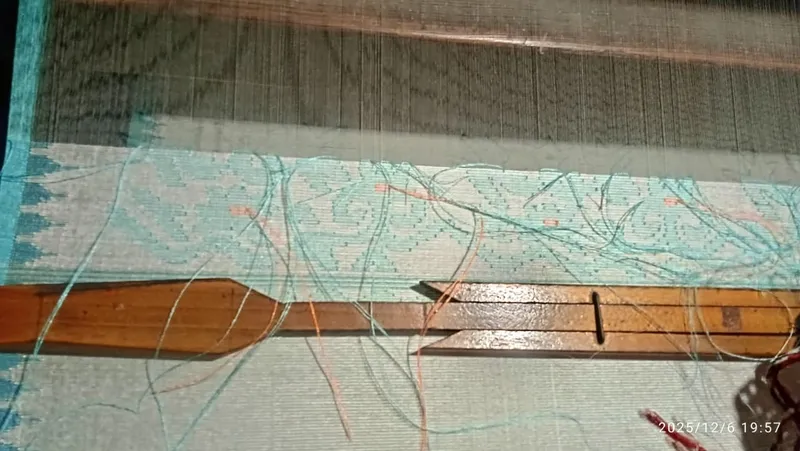
A true Innaphi is hand-loomed, uses locally preferred fibre blends (traditional cotton and silk variants exist alongside newer mixes), and bears motifs and borders that follow regional idioms. Quality is judged by evenness of weave, finesse of motif work, finish of selvedges, and the provenance of dyes and yarn.
The GI tag helps consumers and traders identify authentic pieces and reduces substitution with inferior factory-made shawls marketed as “traditional.” But the market also shows hybridisation—polyester blends and machine-assisted pieces appear alongside pure handloom Innaphis, complicating authenticity claims and sometimes undercutting prices for the genuine article.
Registered GI Fabrics from Manipur (Since 2011)
- Shaphee Lanphee – Application No. 371
- Wangkhei Phee – Application No. 372
- Moirang Phee – Application No. 373
These were officially granted GI-protection by the Registrar of GI under the GI Act. The GI-certificates were formally handed over to the state government in 2014.
These fabrics cover many traditional weaving and shawl/cloth-making traditions of Manipur, and include the kinds of handwoven textiles often used as shawls, wraps, or “phidoup/innaphi.”
Exports and Market Potential: Untapped but Promising
Formal, itemised export statistics specifically for Innaphi are limited in public trade data; handicraft and handloom clusters from Manipur are more frequently grouped under broader “handlooms” or “textiles” in reports.
That said, industry analysts, crafts promoters, and NGOs see clear global demand for ethically made, small-batch handicrafts—and Manipuri handlooms fit that niche. Reports and market studies highlight opportunities: sustainable supply chains, GI-backed branding, diaspora demand, and collaborations with fashion houses or curated export channels could scale incomes for weavers—if infrastructure, design support, and market linkages are strengthened.
In short, potential exists, but it requires deliberate policy, private-sector buyers, and trustable supply chains to convert craft into steady export revenue.
The 3 May Crisis: Immediate Shocks and Longer Disruptions
The ethnic violence that began on 3 May 2023 between Meitei and Kuki communities reshaped everyday life in Manipur. Beyond the tragic human cost, artisans and handloom clusters suffered displacement, loss of workshop infrastructure, interrupted raw-material supplies, and shattered market routes.
Many weavers—particularly women who weave from home or in small village co-operatives—found themselves displaced or worried about safety. Collectors, middlemen, and small export consigners faced severe logistical breakdowns. Even where looms survived, the downstream markets—seasonal fairs, urban boutiques, tourist sales, and export consignments—collapsed for weeks or months.
These disruptions hit cash flows hard. Handloom income is low-margin and seasonally timed, so missed orders or lost stock translate rapidly into economic insecurity for households.
Recovery, Resilience, and the Present Situation
Recovery has been uneven. In some zones, local peace gestures and relief measures have restored limited mobility and restarted production. In other areas, ongoing tensions, displacement, and distrust continue to block normal economic life.
Recently reported outreach by political figures and renewed peace initiatives have signalled openings for reconciliation that could allow artisans to return to their looms and markets to rebuild. However, such gestures must translate into security guarantees, reconstruction of market links, and direct support for craft clusters if weaving is to regain stable momentum.
GI protections can be useful here by offering a traceable brand that NGOs, governments, and buyers can support as part of targeted rehabilitation and livelihood programs.
Conclusion
The Innaphi is at once a fragile cultural treasure and an economic lifeline for many Manipuri families. The GI tag gives it legal muscle and market clout, but law alone cannot weave livelihoods back together.
Recovery after the 3 May crisis requires coordinated effort: security and reconciliation for communities, immediate economic help for displaced weavers, and long-term market strategies that reward handwork and authenticity. If supported properly, Innaphis can once again travel from Manipuri looms to global wardrobes—carrying heritage, dignity, and income with every thread.