EPR in Textiles: Turning Compliance into Opportunity

Parvinder Kadyan Chairman, Global Alliance For Textile Sustainability Council (GATS)
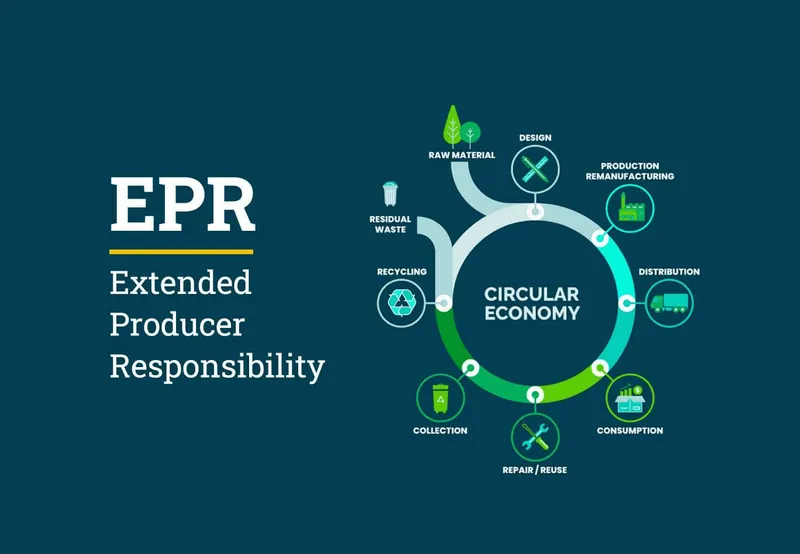
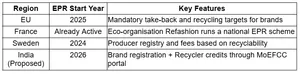
When the EU Comes to Panipat, It Means One Thing — The World Is Watching Last month, the EU INTA (European Parliament’s Committee on International Trade) delegation visited India for FTA discussions. But what surprised and encouraged all of us in the industry was this: They chose to visit the textile recycling cluster in Panipat. Why? Because Europe wants to see — Is India ready for the new wave of textile regulations? Can our manufacturing ecosystem meet EPR, circularity, and traceability standards that will soon decide global sourcing? The answer they saw was clear: India’s circular backbone already exists — in Panipat, Tirupur, Ludhiana, Surat, Jaipur, Ahmedabad, Bhiwandi, and beyond. And now, with the next set of EU laws rolling out, Extended Producer Responsibility (EPR) will not just be a compliance requirement… It will be one of the biggest business differentiators of this decade — in both topline (getting better buyers) and bottom line (reducing raw material cost). The world is moving from “make → use → throw” to “make → use → return → remake.” And the policy instrument driving this change is EPR – Extended Producer Responsibility. In simple words, EPR makes the producer responsible for what happens to a product after its use. For the textile and apparel industry, that means brands and manufacturers will have to take responsibility for the waste their clothes generate. India is drafting its own Textile EPR framework, while the EU EPR law (2025) will make it compulsory for all textiles entering the European market to have a take-back and recycling plan. So, whether you are an exporter or a domestic manufacturer, EPR will soon become part of your business license to operate. What Exactly Is EPR for Textiles? EPR means: Whoever puts a product on the market must also ensure that it is collected and recycled at the end of its life. For textiles, that includes:
- Clothing and fashion accessories
- Home textiles like bedsheets, towels, curtains
- Fabrics and industrial textile products
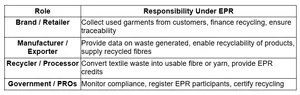
Under EPR, producers must either set up take-back systems themselves or partner with registered recyclers. Who Is Responsible?
Why EPR Is a Big Business Opportunity Most MSMEs see EPR as a cost or extra paperwork — but it’s actually a gateway to growth.
- Access Better Buyers: EU brands will prefer factories that already have EPR-ready systems.
- Monetise Waste: Your cutting scraps and unsold inventory become raw material for recyclers.
- Earn EPR Credits: Just like carbon credits, recycling credits can be sold to brands.
- Finance & Grants: Banks and ESG funds favor EPR-compliant factories.
- Brand Value: “Circular Factory” is a trust badge for global buyers.
EPR is where waste meets worth — and India has the world’s largest recycling base to lead it. How Does EPR Work in Practice?
- Collection: Garments are collected via take-back programs or drop boxes.
- Sorting: Clothes are sorted by fibre type, colour, and condition.
- Recycling: Reusable clothes go to thrift markets; damaged ones go to fibre recyclers like Panipat.
- Certification: Recyclers issue digital EPR credits to brands.
- Reporting: Brands and manufacturers submit annual EPR data to authorities or buyers.
What MSMEs Can Do Now
- Map Your Waste Streams: Track how much cutting scrap, rejected fabric, and unsold inventory you generate.
- Partner With Recyclers: Join platforms like GATS or cluster recyclers to get EPR-ready.
- Design for Circularity: Avoid blends that can’t be recycled; choose mono-materials.
- Collect Data: Buyers need evidence — keep simple logs of waste sent for recycling.
- Communicate Your Effort: Tell buyers that you’re EPR-aligned — it’s a strong differentiator.
India’s Circular Denim Leadership at Kingpins Instead of a single company example, let’s highlight India’s collective strength: At Kingpins Amsterdam 2025, India showcased two breakthrough circular denim collections developed through the India Denim Deal Hub (IDDH) network — with partnerships across: Led by Aadi Sustainability Solutions under their Recyclr initiative, Raymond Denim, Bhaskar Denim, GreenStory, Jeanologia, Global Alliances like GATS & Denim Deal These collections demonstrated:
- 100% traceable supply chains
- LCA-backed environmental impact data
- DPP (Digital Product Passport) for every garment
- Recycling of both pre- and post-consumer waste
- Zero-waste garmenting & sustainable washes
This is exactly what EU brands want in an EPR-led world. And these are the factories that will win future business. Global EPR Trends to Watch
The Future: EPR as an Economic Advantage EPR will soon be a non-negotiable part of export contracts. But early movers will gain most:
- Secure long-term buyer relationships
- Attract green finance and ESG funds
- Build new business lines in waste collection and recycling
- Create local jobs and environmental impact
When you treat waste as a resource, you don’t just comply — you compete stronger. MSME Quick Start Plan (Do This in 30 Days)
- Segregate cutting waste by colour + fibre
- Map your monthly scrap generation
- Contact a recycler and set up a collection cycle
- Switch to one recycled-fibre line (even small %)
- Tell your buyers: “We are EPR-ready.”
This one statement alone can set you apart from competitors. Next in the GATS–TVC Knowledge Series Edition 8 – “Digital Product Passports: How Traceability Will Define Tomorrow’s Textile Trade.” We’ll unpack how DPPs and data-driven supply chains will become your passport to global markets. Final Thought “EPR isn’t the end of a product — it’s the start of a new business loop.” If you can track your waste, you can turn it into wealth. The world is ready for circular manufacturers — and India has the skills, scale, and spirit to lead them.