How U.S. Entrepreneurs Can Fund Sustainable Textile Ventures in India
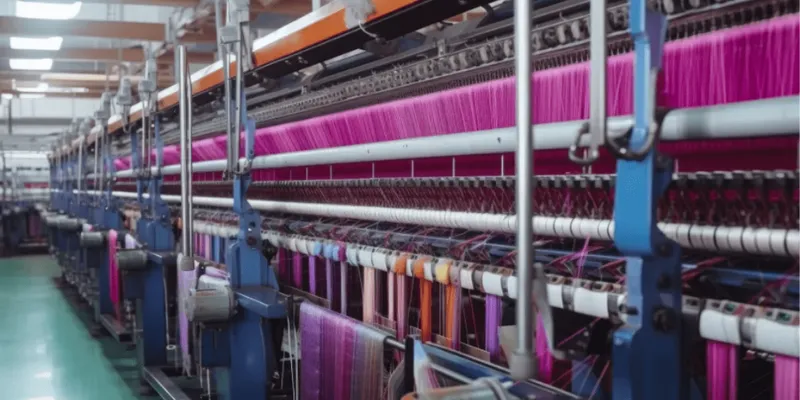
Starting a sustainable textile business in India offers U.S. entrepreneurs a powerful mix: purpose, profit, and global demand. The world is asking for cleaner, more ethical clothing — and India is answering. The country has long been a leader in textile production, and today, it’s also becoming a key player in eco-friendly manufacturing.
The opportunity is real, but so are the costs. Making fabric production greener takes serious planning and money. You’ll need to invest in new machines, better materials, and systems to cut down textile waste in India. That’s where funding becomes essential.
Let’s explore how American founders can tap into this growing market while staying financially prepared.
Why the Textile Industry in India Attracts Sustainable Startups
India’s textile industry is one of the largest in the world. It covers everything from small family-run weaving shops to massive factories that export fabric across the globe.
Here’s why it’s attractive for sustainable business:
- Raw materials are abundant. India is one of the top producers of cotton, including organic types.
- Manufacturers are experienced. Many already work with international brands and meet global standards.
- Prices are competitive. Labor and material costs can be lower than in the U.S., even when using eco-friendly options.
- Innovation is growing. Local companies are testing new ways to recycle fabrics and reduce water use.
All of this makes India a strong place to launch a sustainable venture — if you're ready to invest up front.
Calculating the True Cost of Building a Sustainable Textile Business
Sustainability is good for the planet, but it’s rarely cheap in the beginning. You’ll likely face higher startup costs compared to a standard factory setup.
Here’s where most of the money goes:
- Machines and tools: Eco-friendly manufacturing often requires upgraded equipment — for example, recycling systems or low-energy dyeing machines.
- Materials: Organic fabric, plant-based dyes, and reusable packaging cost more than basic options.
- Waste systems: Proper textile waste handling adds setup and maintenance costs.
- Staff training: Workers need to learn new processes and use new tools.
These investments usually happen before you earn your first dollar from sales. That’s why your funding strategy should be ready from day one.
Financing Sustainability in India’s Textile Market
Getting financing for sustainable projects in India’s textile market is becoming easier as global capital flows toward eco-friendly industries. Entrepreneurs can secure funding through:
- Impact investors – backing ventures with measurable social and environmental outcomes.
- Government subsidies – schemes like TUFS (Technology Upgradation Fund Scheme) supporting energy-efficient machinery.
- International grants – from agencies such as IFC or UNDP for sustainable supply chains.
- Green loans – bank products tied to ESG performance and reduced environmental footprint.
However, even if your business plan is solid, funding delays can stop progress. This is especially true for U.S. entrepreneurs setting up operations abroad. While long-term financing — like equity investment or grants — may eventually support the business, those funds often arrive late.
In the early stages, you may face cash gaps. For example, a machine shipment might arrive before your funding clears. Or a factory may require a deposit to start production. In cases like these, some founders turn to short-term solutions available in the U.S.
One such option is personal loans for U.S. entrepreneurs. These can be used to cover smaller but urgent manufacturing costs: buying extra materials, paying vendors, securing warehouse space, or finishing product samples. Using a personal loan may help you stay on schedule while larger funding is still in process. It’s not a long-term strategy, but it gives flexibility when your plans can't wait.
Who Is the Textile Minister of India, and What Support Exists for Entrepreneurs?
In addition to personal efforts, it helps to understand India’s institutional support for the textile sector and know who the Textile Minister of India is today. As of now, it is Shri Giriraj Singh, who also oversees Commerce and Industry. Under his guidance, the ministry has pushed for modernization, exports, and greener production.
Key programs include:
- Technology Upgradation Fund Scheme (TUFS) — helps textile companies buy modern, energy-efficient equipment.
- SAMARTH Scheme — trains workers for skill-based jobs, including in sustainable factories.
- Production Linked Incentive (PLI) Scheme — rewards companies that increase output and focus on innovation.
Foreign founders may not qualify for every program, but forming partnerships with Indian companies can unlock these opportunities. Also, regional governments often have textile-specific support, especially in states like Gujarat, Tamil Nadu, and Maharashtra.
Smart Strategies for Manufacturers Entering the Sustainable Fabric Market
If you're just getting started, the choices can feel overwhelming. Here’s a simple roadmap to help you move faster and with fewer risks:
- Work with experienced textile manufacturers. Choose partners that already handle eco-friendly production.
- Focus on key materials. Pick 1–2 sustainable fabrics to begin — like organic cotton or recycled blends.
- Plan for recycling early. Design products that generate less waste and use recycling machines where possible.
- Check market demand. Test small batches to learn how your product fits into the Indian textile or export market.
- Keep pricing clear. Sustainable doesn’t mean luxury — aim for a balance between ethics and cost.
By starting focused and small, you stay flexible — which is key when working across borders.
Final Thoughts on Exporting Sustainable Innovation from the U.S. to India
Building a sustainable textile brand in India is an exciting but demanding project. The country offers skilled labor, access to raw materials, and growing support for eco-focused businesses. But the process comes with real costs, especially for foreign founders.
Financial preparation — both short- and long-term — is what keeps the work moving. From navigating machine upgrades to securing local partnerships, it all starts with smart money decisions.
India has room for innovation. With the right tools and timing, U.S. entrepreneurs can build textile businesses that are profitable, ethical, and built to last.