How to Make the Most of Limited Space with a Dining Table 4 Seater Setup
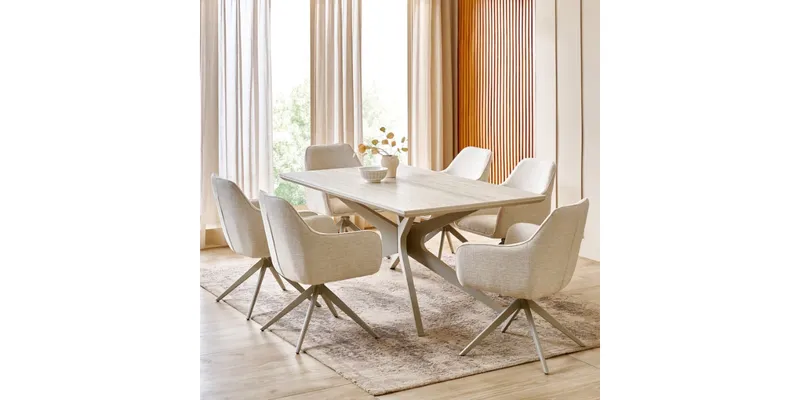
Here is something that catches a lot of people off guard. You shortlist a dining table, check that the dimensions fit your room, feel good about it, and place the order. The table arrives, gets assembled, and the chairs go around it. And then you realise you can barely walk around the thing. The room that felt manageable on paper now feels like you are squeezing past furniture every time you need to get to the kitchen.
This is not bad luck. It is a measurement problem that almost everyone makes the first time.
The Measurement Thing Everyone Gets Wrong
You probably measured the room already. Length, width, done. But here is the part that bites people later.
When someone sits at a dining table and pushes their chair back to get up, that chair moves back around two to three feet. Every single person sitting at the table needs that space behind them. If your room cannot provide that on the sides where people are sitting, the whole setup becomes uncomfortable to use on a daily basis.
So the real question is not whether the dining table fits the room. It is whether the dining table plus chairs, with people actually using them, fit the room. Measure for that version and you will not get caught out when everything arrives.
Round Table or Rectangular, It Actually Matters
A round dining table in a small room feels less aggressive somehow. No corners, no sharp edges cutting into the walking space, and four people sitting around it feel less crammed than they would at a rectangular table of the same capacity. If the room is more or less equal on all sides, a round table almost always works better.
If the room is longish and narrow, though, a rectangular dining table, 4 seater, often works better. It sits along the length of the room and keeps the sides clear. A round table in a narrow room sticks out on both sides and eats into the very space you are trying to protect.
Small square room with not much to work with? A square table seats four people and wastes nothing on the ends. Worth considering more than people do.
Nobody Says the Table Has to Go in the Middle
This is the assumption that costs the most space in small dining rooms, and it is so automatic that people do not even question it.
Centre the table, chairs all around it, done. Except now you have used floor space on all four sides, and most of it serves no real purpose outside of mealtimes.
Push the dining table against a wall instead. On the wall side, use a bench rather than chairs. A bench pushes fully under the table when not in use. That side of the table essentially disappears from the room until someone actually sits down to eat. The floor opens up, and the room breathes again. The other sides still have chairs that pull out normally, and four people still eat together without any awkwardness.
If there is a corner available, the same idea goes even further. Table tucked into the corner, bench running along both walls, chairs on the open sides. That dead corner becomes the dining area, and the rest of the room stays free. Works really well in studio apartments and small kitchen-dining combinations.
On Extendable Tables
If most days it is just one or two people eating, and the four seater needs only come up when people visit, a smaller table that extends is genuinely more practical than a full dining table 4 seater taking up maximum space every day.
Just open the table fully in the shop or check the extended dimensions carefully online. Some of them get quite large when extended, and if your room cannot handle that size when opened up, then the whole point falls apart.
Chairs Are Doing More Work Than You Realise
Big cushioned chairs with armrests make a small dining setup feel heavy and closed in. The table is the same size, but the room feels smaller just because of the chairs around it.
Slim chairs, open backs, thin legs. They take up less space visually and physically. Much easier to move around. If two of the four chairs only come out when guests are over, get stackable ones and put them away on normal days.
A tight dining space can work well. It just needs a few sensible decisions made in the right order rather than one big solution that fixes everything at once.