How to Identify Authentic Chinese Ceramic Tea Sets: Tips for Collectors
Introduction
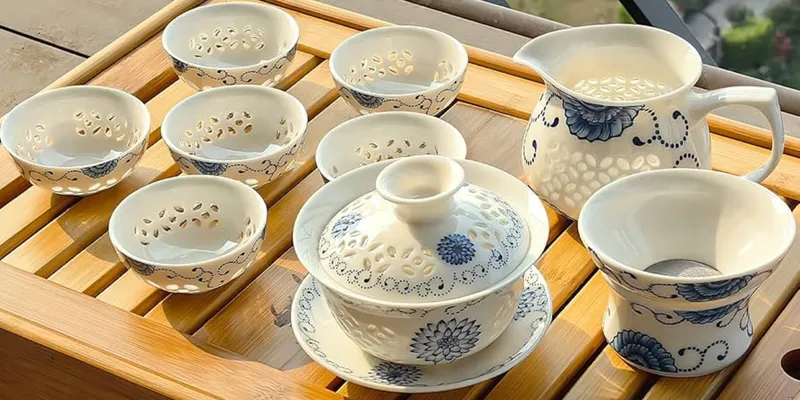
Chinese ceramic tea sets captivate with their intricate designs and cultural importance, symbolizing China's heritage and tea traditions. Collectors treasure these sets for their delicate craftsmanship and historical narratives. Authenticity is vital for collections to truly reflect artistry and history. Beyond aesthetics, these sets immerse collectors in history, enhancing the appreciation of tea rituals. Resources like www.teasetbox.com guide in distinguishing authentic pieces, offering insights into features, context, and expert tips. This exploration will uncover the key traits of authentic sets, identification tips, and ways to deepen your understanding and enjoyment.
Understanding Chinese Ceramic Tea Sets
Chinese ceramic tea sets are a testament to the country’s rich artistic and cultural history. With a legacy extending back thousands of years, these tea sets are an integral part of Chinese culture, encompassing not only the art of brewing and serving tea but also the aesthetic philosophy that accompanies each piece.
1. Historical Context
The tradition of using ceramic tea sets in China dates back to the Tang Dynasty, around the 7th century, when tea drinking became a prominent cultural practice. The popularity of tea led to the evolution of tea set designs, incorporating various regional styles and techniques. Notably, the Song Dynasty saw significant advancements in ceramic production, introducing innovative glazing techniques and kiln technologies that enhanced the beauty and durability of tea sets.
2. Material and Craftsmanship
Authentic Chinese ceramic tea sets are typically made from materials like porcelain, known for its translucence and strength, or Yixing clay, prized for its porous nature that allows tea to develop a richer flavor over time. The creation of these tea sets is a meticulous process, involving skilled artisans who shape and glaze the ceramics, often hand-painting intricate motifs that reflect traditional Chinese art and symbolism.
3. Styles and Designs
There is a diverse range of styles and designs in Chinese ceramic tea sets, each imbued with cultural significance. For instance, Yixing teapots, predominantly made from the unique purple clay found in Jiangsu province, are celebrated for their simple yet elegant designs. In contrast, Jingdezhen porcelain sets are renowned for their delicate blue and white patterns, featuring landscapes, flora, and mythical creatures. Each piece narrates a story, serving as both a functional item and an art form.
4. Cultural Significance
Chinese tea sets are integral to cultural and social tea practices, embodying hospitality, respect, and harmony in ceremonies. The preparation and serving of tea reflect the host's status and the event's importance, revealing cultural values. Appreciating Chinese ceramic tea sets involves recognizing their historical, artistic, and cultural significance, enhancing their value for collectors and enthusiasts and deepening their connection to the heritage they represent.
Key Features of Authentic Chinese Ceramic Tea Sets
Understanding the distinct characteristics of authentic Chinese ceramic tea sets allows enthusiasts and collectors alike to appreciate their true value. These features not only highlight the craftsmanship but also ensure an enhanced tea-drinking experience. Here are some key attributes to look for in genuine Chinese ceramic tea sets:
1. Superior Quality Materials
Chinese ceramic tea sets are crafted from high-quality materials, such as porcelain and Yixing clay. Porcelain, commonplace in Jingdezhen tea sets, is celebrated for its bright, white appearance and durability. It is often characterized by an elegant translucence that makes it both functional and aesthetically pleasing. Yixing clay, sourced from Jiangsu province, offers a unique textural quality that enhances the tea's flavor through its porous nature, absorbing the essence of each brew.
2. Masterful Artistry
Authentic Chinese tea sets feature exquisite artistry that includes hand-painted designs and intricate glaze work. The motifs often depict traditional Chinese themes such as lush landscapes, mythical beasts, and floral patterns. Each piece is a testament to the artisan’s skills, with each brush stroke weaving cultural narratives into the ceramic surface. The attention to detail and the precision involved in crafting these delicate designs highlight the artisanal expertise integral to Chinese ceramics.
3. Functional Design
The design of Chinese tea sets is often dictated by functionality, ensuring an optimal tea-drinking experience. Elements like the shape and size of teapots, ergonomically designed handles, and finely meshed spouts cater to the precise and ritualistic nature of Chinese tea preparation. Many sets include cups with saucers, serving trays, and sometimes even a pitcher, each item thoughtfully crafted to facilitate the ceremonial aspects of tea drinking.
4. Cultural Iconography
Beyond their aesthetic and functional attributes, Chinese ceramic tea sets are imbued with cultural significance. They often incorporate symbolically meaningful imagery, such as dragons for power, lotuses for purity, and plum blossoms for resilience. These symbolic designs serve not just decorative purposes but also act as cultural touchstones, reminding users of the deeply rooted traditions and history embedded within the art of tea drinking.
5. Authenticity Markers
Look for specific authenticity markers such as hallmarks or insignias on the base of genuine Chinese ceramic tea sets, indicating the studio or production region. These marks verify the origin and quality of the set. Authentic sets blend beauty, tradition, and craftsmanship, making them prized by tea enthusiasts and cultural aficionados worldwide.
Identifying Marks and Signatures
Identifying marks and signatures on Chinese ceramic tea sets serve as vital clues revealing the set's provenance and authenticity. These marks are often discreetly placed at the base of the teapot or tea cups and are usually composed of Chinese characters, symbols, or stamps. They not only indicate the studio or artist responsible for the creation but can also reflect the region or kiln where the piece was produced.
1. Kiln Marks
One of the primary identifiers is the kiln mark. These marks often reference renowned pottery-producing regions in China, such as Jingdezhen, Yixing, or Dehua. Each region is celebrated for its unique style and techniques that contribute to the distinctiveness of the tea set. A kiln mark provides insights into the historical and geographical context of the piece, enhancing its value and collectibility.
2. Artist Signatures
Some tea sets bear the personal signature of the ceramic artist, a mark of both pride and authenticity. In many cases, the artists are recognized maestros in their craft, and their signatures elevate the tea set to the status of a collectible. Many collectors seek out these pieces, as the artist's reputation can significantly impact the set's artistic and monetary value.
3. Dynasty Marks
For truly historical pieces, dynasty marks can also be found. These often include the name of the reign during which the tea set was produced, such as Ming or Qing. While these marks can be more common on older ceramics, they serve as essential identifiers for historians and collectors seeking to date and verify the era of production.
4. Interpreting the Marks
Understanding marks on Chinese ceramic tea sets requires knowledge of their symbolism and history. Collectors often consult experts or books for verification. Beginners should learn these intricate signatures, as slight variations can affect authenticity and value. These marks are vital for appreciating the artistry, heritage, and cultural significance, making them invaluable to collectors and tea enthusiasts.
Understanding Age and Provenance
When it comes to collecting ceramic Chinese tea sets, understanding the age and provenance of a piece is essential in appreciating its historical and cultural significance. These elements not only contribute to the set’s aesthetic and functional value but also significantly influence its market price and collectibility.
1. Determining the Age
Determining the age of a Chinese tea set involves examining several key aspects:
- Material and Glaze: Over the centuries, the materials and glazes used in ceramic production have evolved. Older pieces might show signs of age through their glaze, which could exhibit crackle patterns known as 'crazing' due to natural aging processes.
- Design and Patterns: Specific motifs and designs can be indicative of certain time periods. For example, the intricate blue and white porcelain of the Ming Dynasty or the famille rose enamels of the Qing Dynasty can offer clues about a tea set's age.
- Wear and Patina: Genuine age can often be observed in the wear and patina of the ceramic. Natural use over decades or centuries typically results in a smooth, warm appearance in areas that have been frequently handled.
2. Establishing Provenance
Provenance refers to the documented history of a piece and is crucial for verifying authenticity:
- Documentation: Original receipts, letters, or certificates are invaluable in tracing a tea set's history. Ownership records can also provide a narrative that adds value to the piece.
- Historical Context: Often, the period during which a tea set was made can be tied to specific historical events or cultural shifts. Understanding these contexts gives depth to the provenance and enhances the set's storytelling ability.
- Comparative Analysis: By comparing a piece to others from known periods or collections, collectors can often establish similarities that point to a shared provenance or age.
3. The Importance of Collectors
Both age and provenance are vital for collectors as they navigate the complexities of Chinese ceramics. These factors help in:
- Verifying Authenticity: Preventing the acquisition of forgeries or modern reproductions masquerading as antiques.
- Determining Value: Pieces with clear, well-documented provenance and identifiable age often command higher prices due to their verified authenticity.
- Preserving Cultural Heritage: Collectors play a role in preserving the cultural and historical narratives embedded in these beautiful tea sets.
In essence, understanding the age and provenance of ceramic Chinese tea sets transforms these objects into rich historical artifacts, connecting us with the artisans and cultures of the past. For collectors and tea enthusiasts alike, this knowledge enriches the experience and appreciation of using or displaying these exquisite pieces.
Recognizing Fakes and Reproductions
In the world of ceramic Chinese tea sets, the allure of owning a genuine antique piece is undeniable. However, as demand has surged, so too has the proliferation of fakes and reproductions. For enthusiasts and collectors, distinguishing between authentic sets and imitations is a skill that requires careful observation and knowledge. Here are some key factors to consider:
1. Material and Craftsmanship
- Clay and Glaze Quality: Genuine antique Chinese tea sets are typically made from high-quality clay and have a distinct glaze that is both smooth and consistent. Reproductions might exhibit inconsistencies in the glaze or be made from inferior materials that lack the same durability or finish.
- Craftsmanship Details: Authentic sets are often marked by meticulous craftsmanship. Look for precise detailing in the motifs, symmetry in shapes, and smoothness in finishes. Modern replicas may fall short in these areas due to less rigorous production methods.
2. Marks and Signatures
- Kiln Marks: Many authentic tea sets, especially those from specific historical periods or noted kilns, feature marks or signatures at the base. Take time to familiarize yourself with these markings; they can offer clues about the set's origin and authenticity.
- Inconsistencies in Branding: Be cautious of misspelled marks or inconsistencies in the style of stamping. These can be indicators of hasty reproduction rather than genuine antique creation.
3. Aging Indicators
- Patina and Wear: An authentic antique tea set will typically exhibit signs of aging that develop over decades, such as a natural patina and smooth wear on frequently handled areas. Fakes may try to mimic this through artificial distressing, which can often appear too uniform or deliberate.
- Crazing: Crazing refers to a network of fine cracks in the glaze that occur naturally over time due to temperature changes and usage. While this can be artificially replicated, the pattern and depth in genuine pieces often display more randomness and natural imperfection.
4. Provenance and Documentation
- Verify Documentation: Genuine pieces often come with substantial provenance, including documentation of ownership and origin. Lack of such documentation or dubious excuses for its absence should raise red flags.
- History Check: Conduct a thorough investigation of the set's history, and when possible, consult experts or rely on trusted dealers with a long-standing reputation for dealing in authentic Chinese antiques.
5. Consulting Experts
- Professional Appraisal: When in doubt, enlist the help of a professional appraiser or a reputable antiques dealer. They can provide insight based on years of experience and access to resources that can verify a set's authenticity.
- Networking with Collectors: Engage with collector communities to share knowledge and experiences. Networking can often unearth valuable insights and tips on distinguishing fakes from authentic items.
Recognizing fakes and reproductions is essential in maintaining the integrity of a Chinese ceramic tea set collection. Armed with the right knowledge and resources, collectors can confidently navigate the market, ensuring that their acquisitions are both genuine and historically valuable.
Evaluating Condition and Quality
When considering a ceramic Chinese tea set, evaluating the condition and quality is crucial to ensure you're investing in a piece that is both functional and aesthetically pleasing. Understanding the key aspects of what makes a tea set valuable will enhance your appreciation and help you make informed purchasing decisions.
1. Visual and Physical Inspection
- Surface Examination: Begin by closely inspecting the surface of each piece for cracks, chips, and repairs. Small imperfections might add character to older sets, but significant damage can affect the set's usability and value.
- Glaze Quality: Evaluate the glaze for its luster and uniformity. A high-quality set will often feature a smooth, even glaze that enhances its visual appeal. Look for consistent coloring and avoid pieces with obvious streaks or drips, which may indicate rushed or careless craftsmanship.
- Design Clarity: Intricate designs, often a hallmark of fine Chinese tea sets, should exhibit clarity and precision. Blurred lines or faded colors can depress the value or hint at a modern reproduction rather than an original antique.
2. Assessing Craftsmanship
- Weight and Balance: Quality porcelain should feel lightweight yet sturdy. Each piece, especially the teapot, should be well-balanced and easy to handle. A poorly balanced piece may indicate inferior craftsmanship or a later reproduction.
- Sound Test: Gently tap the edge of a cup or saucer; a clear, bell-like tone often indicates good porcelain quality without hidden fractures. A dull sound could be a caution for potential flaws.
3. Artistic and Decorative Features
- Painting and Patterns: Hand-painted details usually exhibit slight variations, a sign of authenticity and human craftsmanship. Compare similar elements within the set to distinguish hand-painted work from decal-based designs.
- Cultural Significance: Some sets are decorated with auspicious symbols and motifs that reflect Chinese culture and history. Understanding these designs can offer insight into the significance and potential value of a set.
4. Longevity and Material Integrity
- Material Durability: Authentic Chinese tea sets, especially those made from Yixing clay or fine porcelain, are known for their durability. Ensure that the material is dense enough to withstand regular usage over time without degradation.
- Comparison Shopping: Familiarize yourself with different types and eras of Chinese tea sets. Knowing the distinctions between various materials, like bone china versus kaolin clay, can help in assessing the longevity and suitability of a tea set for either display or everyday use.
Ultimately, evaluating the condition and quality of a ceramic Chinese tea set requires a balance of knowledge and keen observation. Whether you are a collector or a casual enthusiast, these factors will guide you in selecting pieces that are not only beautiful and practical but also hold historical and artistic value.
Resources for Collectors
Collecting ceramic Chinese tea sets can be a deeply rewarding hobby, offering both cultural enrichment and aesthetic pleasure. Here’s a guide to resources that can enhance your collecting experience and expertise:
1. Books and Literature
- "Chinese Ceramics: A New Comprehensive Survey" by Qing Li - This book provides an extensive overview of Chinese ceramics, offering details on various styles and historical significance.
- "Tea and Chinese Culture" by Ling Wang - Delve into the rich history of tea in China and how it's intrinsically linked to ceramic artistry.
2. Museums and Exhibitions
- The National Museum of China (Beijing): Houses an extensive collection of Chinese ceramics, offering a historical perspective on the evolution of tea sets.
- The British Museum (London): Features Chinese ceramic collections and often hosts special exhibitions on Asian art and pottery.
3. Online Forums and Communities
- TeaChat: An online forum dedicated to tea enthusiasts, offering discussions on various topics, including ceramic sets.
- Reddit's r/Tea: Contains a wealth of shared experiences and advice from both novice and experienced tea set collectors.
4. Auction Houses and Antiques Shops
- Sotheby’s and Christie’s: Regularly auction high-quality Chinese tea sets, often providing in-depth descriptions and provenance information, which can be educational even if you’re not bidding.
- Local Antiques Stores and Fairs: Great for finding rare and unique pieces. Engage with store owners and fellow collectors to learn more about the background and authenticity of different sets.
5. Educational Workshops and Seminars
- Pottery Workshops: Many local art centers offer classes specifically focusing on ceramics, which can provide hands-on experience in manufacturing techniques.
- Cultural Institutes: Organizations such as the Confucius Institute often hold workshops or lectures on aspects of Chinese culture, including traditional tea ceremonies and ceramics.
6. Online Retailers and Marketplaces
- Etsy, eBay, and Teasetbox: These platforms can be treasure troves for collectors, offering access to both new and antique Chinese tea sets. It’s crucial to verify seller credibility and product descriptions for authenticity.
- Official Manufacturer Sites: Companies like Jingdezhen offer original and authentic pieces, giving collectors a chance to purchase directly from traditional artisans.
7. Expert Appraisers
Consulting with professional appraisers can provide valuable insights into the authenticity, origin, and market value of a tea set, particularly if you are considering a significant purchase or sale.
8. Collector Clubs and Societies
Join clubs such as the Chinese Ceramics Society or local collector groups that sponsor events, share resources, and support networking among enthusiasts.
By utilizing these diverse resources, collectors can deepen their understanding and appreciation of ceramic Chinese tea sets, ensuring informed and satisfying additions to their collections.
Conclusion
Ceramic Chinese tea sets transcend functionality; they are artistic treasures with deep historical and cultural value. Whether you are a collector or newcomer, there's much to explore, from the craftsmanship to the traditions of Chinese tea culture. Each piece tells a unique story. Engage with these items by attending workshops and joining collector clubs for insights and networking. Acquire sets through auctions, online platforms, or antique stores, each offering a different level of authenticity and artistic value. Whether drawn to artistry, history, or culture, ceramic Chinese tea sets offer a rewarding pursuit. With curiosity and respect for their origins, one can fully appreciate the beauty and legacy each set embodies.