How to Choose the Right Size Large Wall Art for Every Room
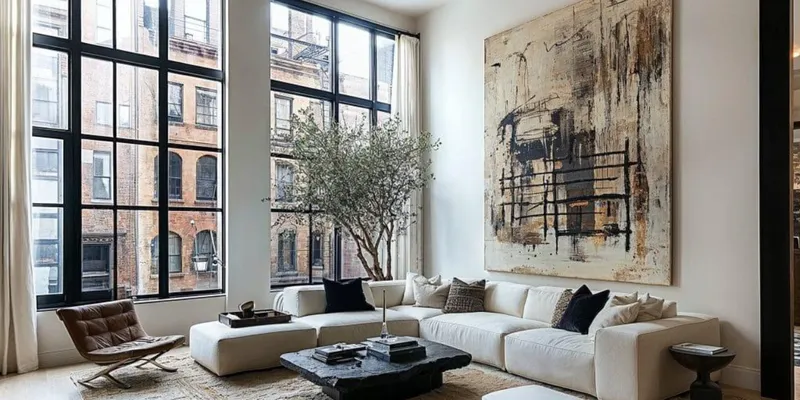
Large wall art can completely change the feeling of a room. A single oversized canvas, framed print, or statement piece can make a space feel more finished, more intentional, and more personal. But choosing the right size is where many people hesitate. Too small, and the artwork looks lost. Too large, and it can overpower the room.
The good news is that selecting the right size large wall art is not about guessing. It is about understanding proportion, wall space, furniture size, and the mood you want to create. Whether you are decorating a living room, bedroom, dining area, hallway, or office, the right artwork size can bring balance and character to the entire space.
Start With the Wall, Not the Artwork
Before falling in love with a piece, look carefully at the wall where it will hang. Measure the available width and height, especially if the artwork will sit above furniture. Large wall art works best when it fills the space with confidence without touching the edges of the wall or feeling squeezed.
A useful rule is to choose art that covers around two-thirds to three-quarters of the width of the furniture below it. For example, if your sofa is 90 inches wide, artwork between 60 and 70 inches wide will usually feel balanced. This rule works well for sofas, beds, consoles, dining benches, and office desks.
If the wall is completely empty and not connected to furniture, you can go larger. Big blank walls often need oversized pieces because small prints can look disconnected. This is where statement wall art from Large Wall Art can help create a strong focal point without needing several smaller decorations.
Choosing Art for the Living Room
The living room is usually the best place to go bold. It is often the largest shared space in the home, and it naturally needs a visual anchor. If you are placing art above a sofa, the artwork should feel connected to the seating area, not floating too high or sitting too small.
For most living rooms, one large horizontal piece works beautifully above the sofa. It creates a clean, gallery-like effect and gives the room a sense of structure. If your living room has high ceilings, you can also consider a tall vertical piece or a large square artwork on a side wall.
The bottom of the artwork should usually sit around 6 to 10 inches above the sofa. This keeps the art visually connected to the furniture. Hanging it too high is one of the most common mistakes, and it can make the whole room feel slightly unfinished.
Choosing Art for the Bedroom
In the bedroom, large wall art should feel calming, warm, and personal. The most common placement is above the headboard, where the artwork becomes the main decorative feature of the room.
The same proportion rule applies here: choose a piece that is around two-thirds to three-quarters the width of the bed or headboard. For a queen bed, a large horizontal canvas can work very well. For a king bed, you can go even wider or use two coordinated pieces side by side.
The bedroom is also a good place to choose softer subjects, natural scenes, abstract designs, or animals with emotional meaning. For example, someone who wants a cozy and charming bedroom might choose cat prints for warm home decor to add personality without making the room feel too formal.
Choosing Art for the Dining Room
Dining rooms are often overlooked, but they are one of the best places for large wall art. A strong artwork can make the room feel more inviting, especially if the space is simple or minimal.
When choosing art for a dining room, consider the size of the dining table and the wall behind it. A large horizontal piece often works well on the main wall, especially if the table is long. If the dining area is smaller, one medium-large artwork may be enough to give the space character without overwhelming it.
Dining rooms can handle bolder colors and more dramatic subjects because people do not spend the entire day there. This is a good room to experiment with expressive artwork, elegant animal prints, or powerful nature-inspired visuals.
Choosing Art for Hallways and Entryways
Hallways and entryways need a different approach because people pass through them quickly. The artwork should catch attention immediately but not block movement or make the space feel narrow.
For a long hallway, a series of vertical pieces can work well, but one large piece at the end of the hallway can also create a beautiful destination point. In an entryway, large wall art can set the tone for the entire home. It tells guests what kind of atmosphere to expect before they even step into the main living area.
If the entryway has a console table, choose artwork that is slightly narrower than the table. If the wall is empty, a large vertical piece can make the space feel taller and more elegant.
Choosing Art for a Home Office
A home office needs artwork that supports focus without making the room feel cold. The right size depends on the wall behind the desk or the wall you see most often during the day.
If the artwork is behind your desk, it should look professional and intentional, especially if it appears on video calls. A large abstract piece, landscape, or symbolic animal artwork can create a polished background. If you want something that feels strong and grounded, elephant wall art for bold interiors can add presence and a sense of calm authority.
Avoid choosing art that is too tiny for the office wall. Small pieces often look accidental on camera, while one large artwork creates a cleaner and more confident impression.
Think About Height and Eye Level
Size is not the only thing that matters. Hanging height is just as important. In general, the center of the artwork should be around eye level, usually about 57 to 60 inches from the floor. This is the standard used by many galleries.
However, when artwork is placed above furniture, the relationship with the furniture matters more than strict eye level. Keep the gap between the furniture and the artwork small enough that they feel connected. A piece that is hung too high can look like it belongs to the wall, not the room.
When Bigger Is Better
Many people choose art that is too small because they are afraid of making a bold decision. But with large empty walls, bigger is often better. Oversized art can make a room look more expensive, more designed, and more complete.
A large piece also reduces visual clutter. Instead of filling a wall with many small decorations, one strong artwork can create a clean focal point. This is especially useful in modern interiors, open-plan spaces, and rooms with simple furniture.
The key is balance. Large art should feel intentional, not random. It should connect with the colors, textures, and mood of the room.
Final Thoughts
Choosing the right size large wall art is about proportion, placement, and confidence. Measure your wall, consider the furniture below it, and think about how the artwork will shape the room’s atmosphere. A large piece should not just fill space. It should bring the room together.
When the size is right, wall art feels natural. It adds depth, emotion, and personality without needing too much else around it. Whether you prefer abstract designs, animal prints, landscapes, or bold statement pieces, the right large wall art can turn an ordinary room into a space that feels complete.