How Super Absorbent Polymers Are Transforming Key Industries
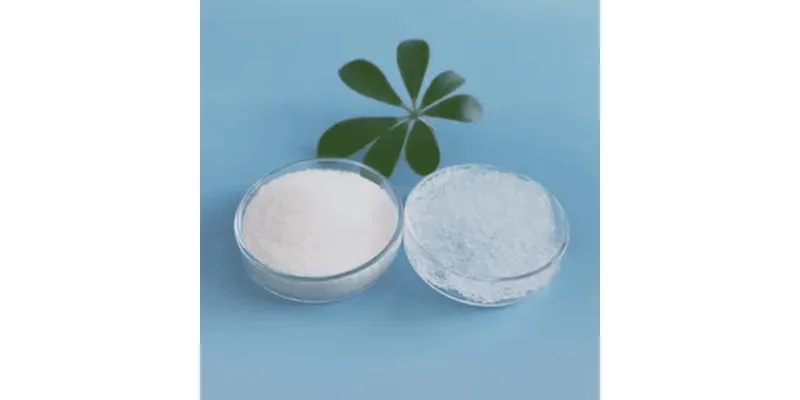
From everyday hygiene to water-smart agriculture and advanced wound care, SAPs are redefining fluid management across industries
Super absorbent polymers (SAPs) have emerged as one of the most quietly transformative material innovations of recent decades. Defined by their exceptional ability to absorb and retain liquids many times their own weight, these polymers have become essential wherever moisture control and fluid retention are critical. Today, SAPs underpin products ranging from disposable diapers and sanitary solutions to agricultural soil conditioners and advanced medical dressings.
This expanding role is reflected in the rapid evolution of the Super Absorbent Polymer Market, which continues to gain momentum as technological advances, sustainability priorities, and global demand converge.
What Makes Super Absorbent Polymers So Effective
At their core, super absorbent polymers are cross-linked hydrophilic materials designed to absorb water or aqueous solutions without dissolving. Once liquid is absorbed, it is locked into a gel structure that resists leakage—even under pressure. This rare combination of high absorption capacity, strong retention, and structural stability has positioned SAPs as indispensable across multiple industries.
Crucially, their performance can be engineered with precision. By adjusting chemical composition, particle size, and cross-link density, manufacturers can tailor SAPs for highly specific applications, from ultra-thin hygiene products to soil-conditioning agents and medical-grade materials.
Redefining Performance in the Global Hygiene Industry
Hygiene remains the largest and most mature application segment for super absorbent polymers. Baby diapers, feminine hygiene products, and adult incontinence solutions rely on SAPs to deliver dryness, comfort, and effective skin protection. Traditional absorbents such as fluff pulp alone can no longer meet modern performance expectations.
SAPs have enabled thinner, lighter, and more discreet hygiene products while significantly improving absorption efficiency. Growing awareness of personal hygiene, aging populations, and increased female workforce participation are further accelerating demand worldwide. Emerging economies are also seeing strong uptake as disposable incomes rise and hygiene standards improve.
According to insights published by Fairfield Market Research, ongoing innovation in polymer chemistry is enhancing liquid distribution and odor control—cementing SAPs as a non-negotiable component of next-generation hygiene solutions.
Sustainability Shaping the Next Generation of SAPs
Sustainability has become a defining force across materials innovation, and SAPs are no exception. While conventional formulations are largely petroleum-based, manufacturers are increasingly developing bio-based and biodegradable alternatives aimed at reducing environmental impact without sacrificing performance.
These eco-conscious SAPs are gaining traction in both hygiene and agricultural applications, where regulatory pressure and consumer expectations continue to rise. In addition, lighter hygiene products enabled by SAP technology help cut transportation emissions and packaging waste. As sustainability becomes a competitive differentiator, green chemistry and circular economy principles are playing a growing role in shaping the Super Absorbent Polymer Market.
Water-Smart Agriculture Powered by SAP Technology
Agriculture is emerging as one of the fastest-growing application areas for super absorbent polymers. In regions facing water scarcity, SAPs are increasingly used as soil conditioners to improve moisture retention around plant roots. By absorbing irrigation water and releasing it gradually, these polymers help reduce evaporation losses and protect crops during dry spells.
This approach is particularly valuable in arid and semi-arid regions affected by climate uncertainty. SAPs allow farmers to reduce irrigation frequency, lower overall water consumption, and improve crop yields, while also enhancing soil structure and nutrient availability. As pressure mounts on global food systems, agricultural SAP applications are becoming a major growth driver.
Advancing Patient Care Through Medical Applications
In healthcare, super absorbent polymers are playing an increasingly critical role in wound care and medical disposables. Advanced wound dressings incorporating SAPs are designed to absorb exudate efficiently, maintain optimal moisture balance, and reduce the risk of infection. Unlike traditional gauze, these dressings prevent leakage and reduce the need for frequent changes, improving patient comfort and healing outcomes.
SAPs are also widely used in medical pads, underlays, and spill-control products across healthcare facilities. Their reliability, sterility compatibility, and performance under pressure make them well suited for environments where fluid management is essential. With healthcare spending rising globally, demand for medical-grade SAPs continues to grow.
Technology Advancements Expanding SAP Capabilities
Ongoing research and development are pushing the performance boundaries of super absorbent polymers. Innovations now focus on faster absorption rates, stronger gel structures, and improved performance under mechanical stress. Surface-cross-linked SAPs offer superior retention, while hybrid formulations integrate antimicrobial or odor-neutralizing properties.
Customization has become a key differentiator, enabling SAPs to meet highly specific needs across hygiene, agriculture, and medical sectors. These advancements are not only strengthening existing applications but also opening the door to new use cases.
Regional Trends and Emerging Growth Markets
Global demand for SAPs varies by region, shaped by demographics, industrial maturity, and regulatory environments. Asia-Pacific leads consumption due to its large population base, expanding hygiene adoption, and rising agricultural investments. North America and Europe continue to drive innovation, particularly in medical and sustainable SAP technologies.
Meanwhile, emerging markets in Latin America, the Middle East, and Africa are creating fresh growth opportunities as water management challenges intensify and hygiene awareness increases. Fairfield Market Research notes that localized production and strategic partnerships are becoming increasingly important for managing supply chains and strengthening regional presence.
Challenges Influencing the Industry’s Trajectory
Despite strong growth prospects, the SAP industry faces ongoing challenges. Volatility in raw material prices—particularly acrylic acid—can affect cost structures and pricing stability. Environmental concerns related to disposal and biodegradability also continue to attract regulatory scrutiny.
At the same time, these pressures are driving innovation. Companies are investing in alternative feedstocks, recycling technologies, and lifecycle optimisation to stay ahead of regulatory and market expectations.
Why SAPs Will Remain Essential Across Industries
The widespread impact of super absorbent polymers across hygiene, agriculture, and healthcare highlights their long-term significance. By addressing critical challenges related to moisture control, resource efficiency, and patient care, SAPs have become foundational materials in a rapidly evolving world. As technology advances and sustainability takes centre stage, the Super Absorbent Polymer Market is set to continue expanding—unlocking new applications and redefining performance standards across industries.