How Shipping Containers Drive Global Trade’s Future
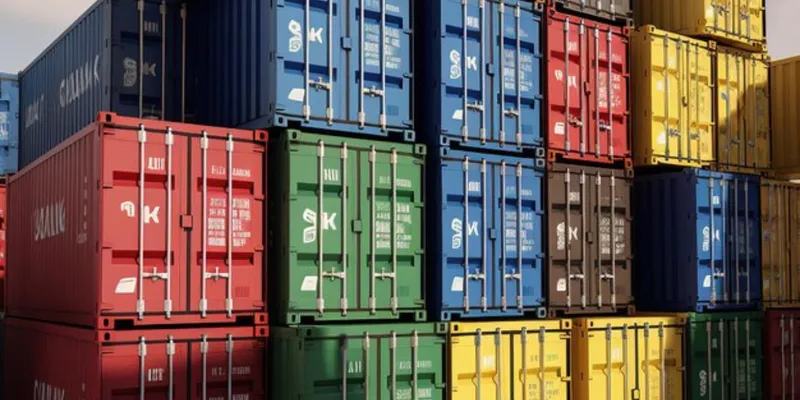
Global trade has always been the cornerstone of economic growth, and few innovations have reshaped it as profoundly as the shipping container. Since its introduction in the mid-20th century, the container has evolved into a standardized global unit that streamlines logistics, reduces costs, and accelerates cross-border commerce. Today, it stands not just as a logistical necessity but as a driver of sustainability, digitalization, and innovation in trade.
From Innovation to Global Necessity
Before containerization, goods were shipped in sacks, barrels, and crates — a process that was slow, costly, and labor-intensive. The advent of standardized containers revolutionized shipping by enabling efficient, secure, and scalable transport. Now, around 90% of non-bulk cargo worldwide moves in containers, solidifying their role as the backbone of global supply chains.
Globalization and Trade Expansion
The container is inseparable from globalization. By reducing costs and improving efficiency, containers enabled businesses to expand into international markets. From electronics in Asia to food exports from South America, they made global commerce more accessible and affordable. Rapid urbanization, population growth, and trade agreements continue to fuel the Shipping Containers Market.
E-Commerce and Digital Logistics
The boom in e-commerce has amplified demand for containers, particularly modular and customized types used in warehousing, storage, and last-mile delivery. The rise of smart containers with IoT sensors has transformed logistics by enabling real-time tracking, transparency, and optimized operations.
Technology and Smart Solutions
Advancements in AI, automation, and digital platforms are reshaping container use. Smart containers now monitor temperature, humidity, and location, crucial for industries such as pharmaceuticals and perishables. Automated ports and AI-driven fleet management systems further enhance container movement and reduce delays.
Sustainability and Circular Economy
Containers are also evolving with the green economy. Lightweight designs, recyclable materials, and eco-friendly fuels reduce emissions. Beyond trade, repurposed containers are being used in modular housing, retail, and construction, reinforcing circular economy models.
Regional Growth
- Asia Pacific dominates, with mega-ports in China, South Korea, and Singapore.
- Europe focuses on sustainable multimodal logistics.
- North America invests heavily in port modernization and supports e-commerce-driven demand.
Challenges and Opportunities
Despite their success, the industry faces hurdles like geopolitical tensions, port congestion, steel price volatility, and stricter environmental regulations. Yet, opportunities lie in reefer container growth, blockchain-based trade documentation, modular solutions in retail and healthcare, and AI-led predictive logistics.
The Road Ahead
The container industry is at the forefront of innovation. By embracing digitalization, sustainability, and resilience, it continues to evolve. From smart tracking to green design, containers remain the foundation of modern trade and a symbol of globalization.
As global commerce grows more connected and eco-conscious, the message is clear: the shipping container is no longer just a steel box — it is the very framework on which the future of trade is being built.