How Digital Retail Is Changing Consumer Buying Behaviour in India’s Fashion Market
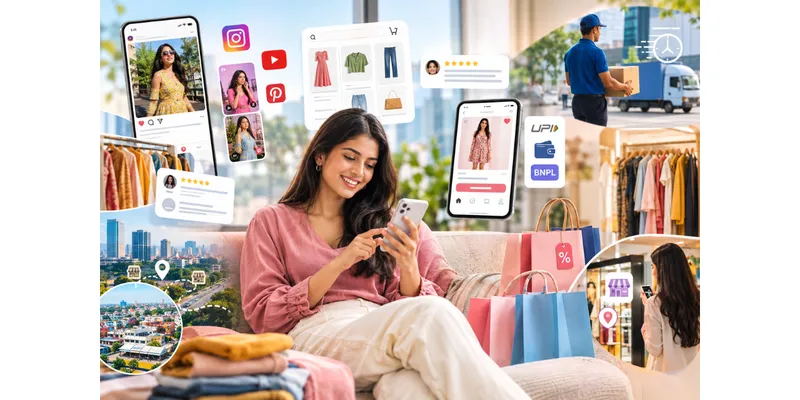
Fashion shopping in India is no longer limited to malls or local stores. Smartphones, social media, and e-commerce platforms have become the first stop for millions of consumers looking for clothing, footwear, and accessories.
Shoppers now discover trends on Instagram, compare prices across multiple apps, read customer reviews, and complete purchases within minutes. This has completely changed the way people research, evaluate, and buy fashion products.
Digital retail is now shaping India's fashion market through D2C brands, influencer marketing, AI-powered recommendations, personalised offers, and faster deliveries. As online shopping expands across metro cities and Tier 2 and Tier 3 markets, fashion brands are rethinking their strategies to match changing consumer expectations and buying habits.
The Rise of Digital Retail in India's Fashion Industry
India's fashion retail market is now worth around $136 billion (₹13 lakh crore) in 2025, with online marketplaces emerging as the fastest-growing shopping channel. The online fashion market alone is valued at about $18 billion (₹1.72 lakh crore) and is expected to reach $55 to $60 billion by 2030, driven by rapid digital adoption and changing shopping habits.
Several factors have accelerated this digital transformation across the country:
- Affordable smartphones and cheaper mobile data have made online fashion shopping accessible to millions of Indians.
- UPI, digital wallets, and Buy Now Pay Later (BNPL) options have made online payments faster and more convenient.
- Customer reviews, easy returns, and exchange policies have increased trust in buying clothes online.
- D2C brands, social commerce, and influencer-led shopping have expanded consumer access to national and international fashion labels.
Today, digital retail is no longer just an alternative to offline shopping. It has become a key part of how Indian consumers discover trends, compare products, and make fashion purchases across metro cities as well as Tier 2 and Tier 3 markets.
How Consumers Discover Fashion Has Changed
Earlier, fashion inspiration came from magazines, celebrities, or store displays. Today, social media platforms have become digital storefronts.
Instagram Reels, YouTube Shorts, Pinterest, and influencer content introduce consumers to new styles every day. Fashion creators showcase outfit ideas, styling tips, and product recommendations that influence purchase decisions instantly.
This has shortened the buying journey.
Earlier shopping journey | Today's digital shopping journey |
Visit stores to browse collections. | Discover products through social media and creator content. |
Compare products physically. | Compare prices, reviews, and ratings across multiple apps. |
Purchase after visiting different outlets. | Complete purchases instantly through mobile apps. |
Consumers increasingly expect fashion recommendations to be personalised, relevant, and easy to purchase.
Mobile Shopping is Now The Preferred Buying Channel
Fashion shopping has become a mobile-first experience in India. Consumers browse collections during commute hours, lunch breaks, or while watching videos.
Most major fashion retailers have invested heavily in app experiences that offer:
- Personalised home feeds.
- Wishlist and price-drop alerts.
- AI-based product recommendations.
- One-click checkout and digital payments.
Industry estimates suggest smartphones account for the majority of India's e-commerce transactions, making mobile apps the primary gateway to online fashion shopping.
This convenience has also encouraged more impulse purchases during flash sales and festive campaigns.
Discounts and Online Deals Shape Fashion Buying Decisions
Price has always influenced fashion purchases in India, but digital retail has made it easier for consumers to compare prices, track discounts, and shop during major sale events. Instead of buying immediately, many shoppers now wait for the best offer across multiple fashion platforms.
Online marketplaces and fashion brands such as Myntra, Ajio, Nykaa Fashion, Amazon Fashion, Flipkart, Tata CLiQ Fashion, and H&M India regularly run festive sales, end-of-season clearances, app-exclusive offers, and limited-time promotions that encourage deal-driven shopping.
According to recent surveys and report analysis of India's apparel market, discounting has become a core strategy in online fashion retail. Average discounts on leading fashion platforms increased between 2020 and 2025, reinforcing consumer behaviour of waiting for sale events rather than paying full price.
For many Indian shoppers, checking deals and coupons on Myntra and other fashion platforms before buying apparel, footwear, or accessories has become a routine part of the shopping journey rather than an occasional way to save money.
Tier 2 and Tier 3 Cities Are Driving Fashion Growth
Digital retail has expanded fashion access far beyond India's metro cities.
Consumers in smaller cities now have access to the same brands, collections, and seasonal launches as shoppers in Delhi, Mumbai, Bengaluru, or Hyderabad. Improved logistics and faster delivery networks have made online fashion shopping more accessible across India.
Recent industry insights show that more than half of online fashion demand now comes from Tier 2 and smaller cities, reflecting a major shift in consumer spending patterns.
This has encouraged brands to:
- Launch regional marketing campaigns.
- Offer multilingual shopping experiences.
- Expand affordable fashion collections for value-conscious shoppers.
Personalisation Is Creating Better Shopping Experiences
Digital retail platforms collect shopping behaviour, browsing history, and purchase preferences to create personalised experiences.
Consumers now receive:
- Size recommendations.
- Style suggestions based on previous purchases.
- Similar product recommendations.
- Personalised sale notifications.
These features reduce search effort and increase purchase confidence. AI-powered recommendations also help fashion retailers improve customer retention by showing products that match individual preferences instead of generic catalogues.
Reviews and User-Generated Content Build Trust
Trust plays an important role in online fashion purchases because consumers cannot physically touch or try products before ordering. That's why reviews, ratings, and customer photos have become influential.
Before purchasing fashion products, shoppers commonly check:
- Product ratings.
- Fabric quality reviews.
- Fit feedback.
- Real customer images.
- Delivery and return experiences.
User-generated content often influences buying decisions more than traditional advertisements because it provides realistic expectations.
Faster Deliveries Have Increased Impulse Shopping
Consumers increasingly expect fashion deliveries within one or two days. Some retailers are even experimenting with same-day or quick commerce fashion deliveries in select cities.
This speed changes buying behaviour in several ways:
- Consumers postpone fewer purchases.
- Last-minute shopping becomes common.
- Festival and occasion-based purchases happen closer to the event date.
Quick fulfilment has made digital retail more competitive with offline shopping, especially for everyday fashion needs.
D2C Brands Are Changing Consumer Expectations
Direct-to-Consumer fashion brands have become an important part of India's digital retail ecosystem. Unlike traditional brands, D2C labels launch products online first, engage directly with customers through social media, and quickly respond to fashion trends.
Consumers are attracted by:
- Exclusive collections.
- Limited-edition drops.
- Sustainable fashion options.
- Better pricing without traditional retail markups.
This has increased competition across categories, including ethnic wear, activewear, footwear, and accessories.
Omnichannel Shopping Is Becoming The New Normal
The difference between online and offline shopping is gradually disappearing. Many consumers now research products online before visiting stores, while others try products in stores and purchase online during sales.
Brands are responding with omnichannel services such as:
Omnichannel feature | Consumer benefit |
Click and collect | Order online and pick up from nearby stores |
Easy returns across channels | Return online purchases at physical stores |
Unified loyalty programmes | Earn and redeem rewards across online and offline shopping |
Inventory visibility | Check product availability at nearby stores before visiting |
This flexibility improves convenience and strengthens customer loyalty.
What This Means For Fashion Brands In India
Consumer expectations in India have evolved beyond price alone. Fashion buyers now value convenience, authenticity, speed, and personalisation.
To stay competitive, fashion brands are investing in:
- AI-powered shopping experiences.
- Creator collaborations.
- Regional marketing for emerging cities.
- Sustainable and transparent product storytelling.
- Faster fulfilment and flexible return policies.
The next phase of growth will depend not only on attracting new shoppers but also on building long-term customer relationships through better digital experiences.
Wrapping Up
Digital retail has transformed how Indians discover, compare, and buy fashion. From influencer-led trends and AI-powered recommendations to online reviews, fast deliveries, and seasonal discounts, every stage of the shopping journey has become more digital and customer-focused. As internet access and e-commerce continue to grow across metro and non-metro cities, consumers will expect greater convenience, better value, and personalised experiences. Fashion brands that successfully blend online and offline shopping with affordable pricing and seamless customer experiences will be well positioned for long-term growth in India.