How Computer Vision Could Improve Quality Inspection in Medical Textile Factories
Overview
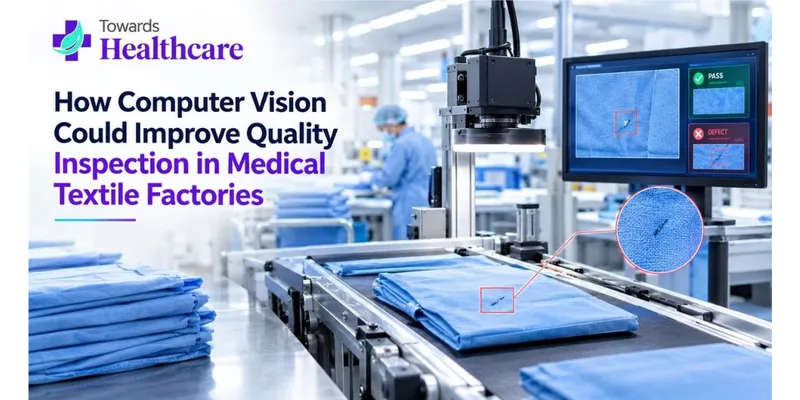
Medical textiles used in surgical gowns, protective clothing, wound dressings and hospital disposables must meet specific quality requirements. Small defects can affect product performance and consistency. Computer vision combines cameras, image processing and artificial intelligence (AI) to identify visible defects during manufacturing, helping textile producers improve quality control and reduce material waste.
Why Medical Textile Inspection Needs Better Technology
Traditional fabric inspection often relies on human observation. Inspectors may miss small defects during repetitive tasks, particularly when production volumes are high or defects are difficult to see.
A 2024 review published in Electronics discusses how computer vision and deep learning can automate fabric defect detection. The research highlights challenges including variations in fabric texture, small defects and limited training data.
For medical textiles, inspection is especially important because quality requirements depend on the product's intended use. A visible fabric defect may be easy to identify, while problems with filtration, fluid resistance or material strength require separate performance tests.
How Computer Vision Works in Textile Factories
Computer vision systems capture fabric images using industrial cameras and analyse them through image-processing algorithms or trained AI models.
The technology can identify:
- Fabric defects: Holes, tears, broken yarns and irregular surface patterns.
- Material inconsistencies: Variations in texture, colour or fabric structure.
- Garment defects: Visible stitching problems, misplaced seams and incomplete components.
- Production irregularities: Repeated defects that may indicate problems with machinery or processing.
These systems can flag suspicious areas for further inspection, allowing quality teams to investigate problems before products move to the next manufacturing stage.
Where Medical Textile Manufacturers Can Benefit
Surgical gowns and drapes: Automated visual inspection can identify visible fabric damage and stitching defects before garments are packaged.
Nonwoven medical materials: Camera-based systems can monitor surface irregularities in materials used for masks, protective products and selected medical disposables.
Wound-care products: Vision systems can check visible dimensions, cut accuracy and surface consistency in textile-based dressings.
Production monitoring: Recording defect locations and patterns can help manufacturers identify recurring problems and improve process control.
Computer vision cannot independently verify sterility, biocompatibility or radiation and filtration performance. These require appropriate testing methods.
Challenges Manufacturers Must Address
- Fabric variation: Different fibres, colours and textures require suitable inspection settings and AI models.
- Training data: Systems need representative images of both defective and acceptable materials.
- Implementation costs: Cameras, computing equipment, software and integration require investment.
- False detections: Poor lighting or unfamiliar defects can lead to missed faults or unnecessary rejections.
- Medical quality requirements: Automated inspection must complement documented quality systems and relevant product testing.
Opportunities for Companies in the Industry
- Textile manufacturers: Integrate automated inspection into production lines to improve consistency and identify defects earlier.
- AI technology providers: Develop vision systems tailored to nonwovens, protective garments and specialised medical fabrics.
- Medical-device companies: Work with textile suppliers to establish inspection criteria for textile-based components.
- Testing laboratories: Combine visual inspection with physical and performance testing to support product validation.
- Equipment suppliers: Develop inspection systems suited to different production scales and fabric types.
A 2025 review in The Journal of The Textile Institute identifies computer vision and machine learning as important approaches to automated fabric defect detection, while highlighting the continuing challenges of model selection and training data.
What Comes Next for Medical Textile Inspection?
Computer vision could help medical textile factories move from sample-based visual checks towards more consistent, data-supported inspection. Its value will depend on accurate detection, reliable integration with production systems and validation against product-specific quality requirements.
Towards Healthcare supports healthcare businesses through market intelligence, competitive analysis and strategic consulting to assess emerging technologies, supplier capabilities and growth opportunities across medical textiles and related healthcare industries.
References:
https://www.towardshealthcare.com/insights/medical-devices-market-sizing
https://www.towardshealthcare.com/insights/medical-clothing-market-sizing
https://www.towardshealthcare.com/insights/computer-vision-in-healthcare-market-sizing
https://www.towardshealthcare.com/insights/medical-disposables-market-sizing