How Chenille Patches Became a Symbol of Style and Identity
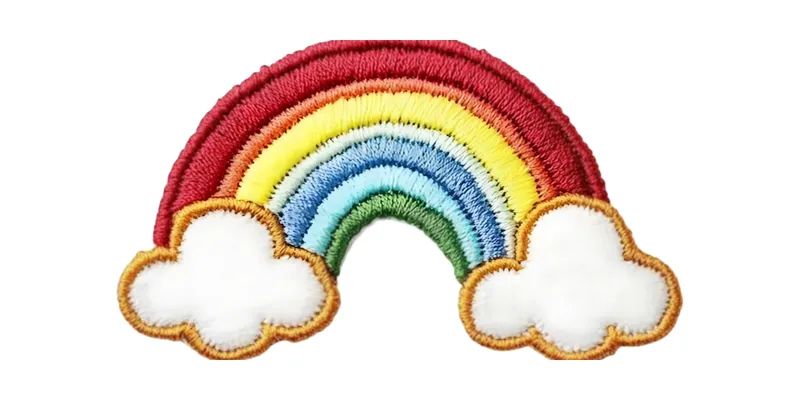
Few accessories carry the kind of emotional weight that a patch on a letterman jacket does. Seriously, there's something almost irrational about how much meaning gets packed into a few inches of fuzzy fabric. Right now, the world of chenille patches fashion is surging back into cultural relevance, straddling that rare sweet spot between nostalgia and forward-thinking streetwear.
And it doesn't feel forced. Research shows that 37% of shoppers are buying more frequently because of personalized recommendations, which signals something bigger than consumer behavior. People want meaning. They want their purchases to say something. Chenille patches, as it turns out, have always done exactly that.
That pull you feel toward Chenille patches fashion isn't a random sentiment. It's the result of over a century of cultural storytelling, stitched quite literally into every fiber. To understand why these patches still command real style authority today, you have to follow them from ivy-covered campuses all the way to the center of global streetwear.
The Evolution of Chenille Patches: Craftsmanship Meets Culture
Chenille's story runs deeper than most people expect. What began as a collegiate identity ritual evolved into one of fashion's most enduring tools for self-expression. Customizable [Chenille patches from manufacturers like World Emblem carry that same heritage forward today, plush, dimensional, and unmistakably personal.
Early Roots and the Varsity Legacy
Late 1800s collegiate culture gave athletes a tangible way to broadcast achievement. A letter on your sweater meant something earned, belonging, pride, and status. By the 1930s, varsity jackets had taken that tradition off campus entirely. This is precisely where how chenille patches symbolize identity becomes most visible: team membership, individual achievement, and community pride all compressed into a single tactile emblem.
The Streetwear Revival Nobody Saw Coming
The 1980s and 1990s nostalgia cycle never fully closed. Urban designers began pulling vintage chenille sensibilities into fresh collections, and what once felt distinctly "old school" started registering as genuinely aspirational again. Gen Z didn't stumble reluctantly into this aesthetic; they grabbed it with both hands and made it their own. That reclamation is still ongoing.
Following that journey from varsity locker rooms to fashion week runways, it becomes obvious that Chenille's appeal isn't just about longevity. The real draw is something more immediate and physical, something you notice the moment your fingers graze that distinctive raised, velvety surface.
Texture and Emotional Impact: Why Chenille Patches Stand Out
There's a reason flat embroidery never fully displaces chenille in the market. The tactile experience is fundamentally different, and that difference carries more psychological weight than brands often credit.
Tactile Appeal and Visual Depth
That raised, fuzzy surface creates a visual dimension that flat embroidery simply cannot replicate. Chenille catches light at angles. It sits higher on the fabric. It draws attention without demanding it a kind of quiet premium that wearers register before they've consciously processed why they're drawn in.
Emotional Resonance and Belonging
Chenille doesn't just look meaningful, it feels meaningful. School hallways, championship seasons, moments of genuine belonging, all of it gets encoded into that soft surface. The concept of chenille patches' style identity isn't marketing language. It reflects a real psychological mechanism that keeps drawing people back to these accessories, generation after generation.
Beyond tactile charm and emotional depth, chenille patches have proven they're not surviving on nostalgia alone. They're actively reinventing themselves. Let's look at the design directions and color movements pushing vintage chenille patches into distinctly contemporary territory in 2026.
Trends Redefined Modern Styles of Chenille Patches
Modern chenille design has quietly become one of fashion accessory culture's most dynamic corners. Designers are taking genuine risks, and honestly, the results are exciting.
Color Trends: Earthy Neutrals, Pastels, Neons, and More
Olive greens, dusty mints, warm taupes, and earthy neutrals are dominating 2026 patch palettes, often punctuated with unexpected neon outlines. Tonal monochrome patches feel sophisticated. Retro color combinations are giving older designs a vibrant second life. North American promotional products distributors posted 4.2% sales growth in 2025 over 2024, confirming that decorated apparel demand continues climbing year over year.
Design Innovations: Oversized Letters, 3D Puffy, Mixed Media
Contemporary designers are pushing oversized letterforms, three-dimensional puffy constructions, and mixed-media combinations pairing chenille yarn with embroidery and felt layers. The vintage chenille patches category is being refreshed with modern technique, producing pieces that feel entirely new while still honoring where they came from.
Selecting the right design and color palette covers half the equation. Where you actually place a patch on a garment completes it, and that decision alone can transform the entire message a piece communicates.
Placement Strategies That Make a Statement
Placement communicates intention. A thoughtfully positioned patch reads as deliberate and considered. A carelessly placed one reads as an afterthought. The difference matters more than you might think.
Classic Chest and Varsity Signature
Chest placement remains the anchor of varsity styling. Bold initials, clean logos, or athletic numerals centered on the left chest maintain heritage credibility while reading completely current. It's a placement that earns immediate visual recognition without explanation.
Sleeves, Back Shoulders, and Full-Back Statements
Sleeve patches add dimension without overpowering a garment's overall composition. Back shoulder placements create a layered, narrative effect. Full-back chenille designs, when executed with confidence, make statements that competitors' simple embroidered logos genuinely can't match in visual presence or impact.
Once placement becomes second nature, the more compelling creative work begins. Because the most powerful chenille patches aren't just well-positioned, they're deeply personal or purposefully branded.
Customization and Branding Power of Chenille Patches
The intersection of personalized chenille patches, individual expression, and professional branding is where fashion genuinely becomes functional.
Personal Style Through Vintage and Personalized Design
Custom lettering, personal symbols, achievement markers- these transform a garment into something uniquely yours. Personalized chenille patches allow wearers to tell visual stories that mass-produced clothing simply cannot. It's fashion storytelling at its most tactile.
Mixed-Media and Craftsmanship Techniques
Combining chenille yarn with embroidered borders, felt backing, and twill bases produces patches with remarkable visual complexity. Each added layer contributes to the sophistication. Skilled craftsmanship elevates the finished piece from mere decoration to genuine wearable art, and that distinction is immediately perceptible to anyone who handles it.
Brands, Teams, and Businesses Embrace Texture
Schools, streetwear labels, and corporate teams are increasingly turning to chenille to build visual cohesion and brand identity. The textured, dimensional finish communicates premium quality in a way that screen printing or standard embroidery rarely achieves at the same emotional register.
Actionable Tips: Styling and Caring for Chenille Patches Today
Choosing the Right Colors and Sizes
Larger patches work best on jackets and hoodies. Smaller designs suit bags, caps, and denim accents. Match patch color temperature to your base garment, warm chenille tones on warm fabrics, cool tones against cooler bases, for results that feel cohesive rather than accidental.
Ideal Placement Per Garment Type
Hoodies carry patches well on the chest or upper sleeve. Denim jackets thrive with full-back or shoulder placements. Backpacks benefit from single, bold statement patches over clustered arrangements.
Care and Durability
Turn garments inside-out before laundering. Cold water, gentle cycles, low-heat drying. Heat-applied backing holds with proper care; iron-on patches benefit from occasional re-pressing along edges to prevent lifting over time.
Common Questions About Chenille Patches
When was Chenille most culturally prominent?
Chenille textiles peaked in the 1950s. Varsity-style patches on jackets reached cultural saturation through the 1970s and 1980s before the current streetwear revival accelerated.
Do chenille patches withstand regular washing?
Yes, quality patches, sewn or properly heat-applied, handle regular laundering well. Cold water and low-heat drying preserve both texture and color significantly longer.
Can individuals or small teams order custom patches?
Absolutely. Many manufacturers now offer runs starting at 48 pieces, making custom orders genuinely accessible for small clubs, independent designers, and emerging teams.
Craft Your Identity Final Thoughts
Chenille patches earned their cultural staying power through something more durable than trend cycles: authentic emotional resonance. From varsity halls to global streetwear collections, they've carried identity, achievement, and belonging across generations without losing relevance.
Whether you're building a brand, representing a team, or simply telling your own story through what you wear, a well-crafted chenille patch communicates something that no graphic print can replicate. Start designing something intentional. The most powerful style statements are always the ones that genuinely mean something.