How AI-Powered Virtual Try-Ons Are Making Fashion Retail Smarter
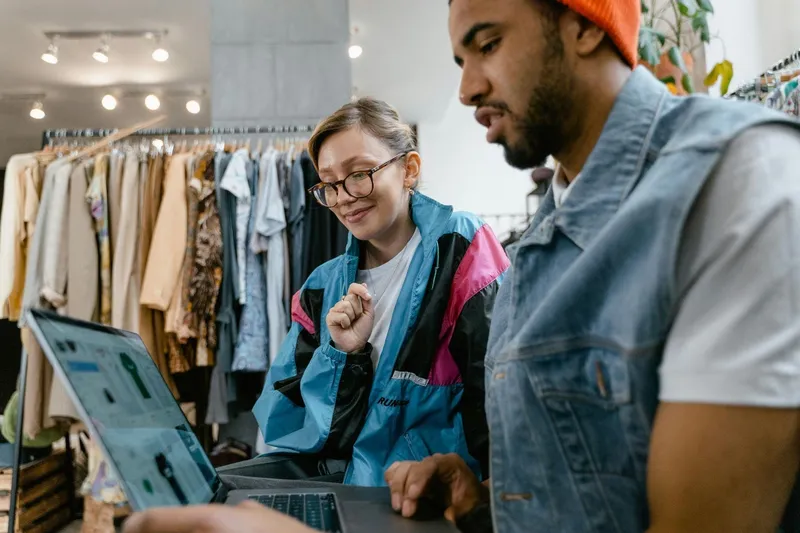
Imagine scrolling through an online clothing store, finding the perfect jacket, but hesitating to buy, you’re unsure how it’ll look on you right? You’re not alone to think like that. Studies show that 70% of shoppers abandon purchases due to sizing doubts. This is where AI virtual try-ons step in, offering an advanced AI experience for both shoppers and retailers. By combining artificial intelligence, augmented reality, and real-time camera input, AI virtual try-ons are turning smartphones into personal fitting rooms. From using face swapper tech to change outfits in photos, fashion is becoming more digital, personalized, and fun than ever before.
What Are AI Virtual Try-Ons & How Do They Work?
AI virtual try let users themselves wear clothes, makeup, or accessories digitally before buying. It uses a mix of computer vision, AR, and machine learning to analyze your face or body and apply the selected items accurately to your image. Whether you're exploring a clothes swap fashion filter or testing how a blazer looks on your shoulders, AI creates a personalized, immersive shopping experience.
Quick Comparison
Feature | Traditional Shopping | Virtual Try-On |
Try clothes physically | ✔️ | ❌ |
Available 24/7 | ❌ | ✔️ |
Personalized fit suggestions | ❌ | ✔️ |
Convenience from home | ❌ | ✔️ |
Return risk | High | Lower |
Why Shoppers Love Virtual Try-Ons
Consumers are grab this innovation because it resolves several pain points:
- Try without undressing: You can try outfits on your body feed without a fitting room.
- Boosts confidence: You know how it’ll look on you, not on a model.
- Style personalization: AI tools help to show clothes that will suit your body shape, skin tone, or style.
- Social sharing: Many platforms let you share try-on selfies, adding a fun, viral element to shopping similar to face swapper or gender swap
This is not just about convenience; it’s about making digital shopping feel like an in-store experience, minus the hassle.
How Brands Are Winning
It’s not just shoppers who benefit. Retailers leveraging virtual try-ons are seeing powerful results:
- Lower return rates: Fewer sizing and style surprises mean fewer returns.
- Higher conversions: Try-on tech boosts buyer confidence, increasing purchases.
- Improved engagement: Shoppers spend more time on-site and interact more with the brand.
Some leading examples:
- Zara uses AR-powered fitting screens in-store and online.
- Nike Fit uses smartphone scans to recommend the perfect shoe size.
- Sephora offers real-time virtual makeup applications on your selfie.
Key Use Cases Across Fashion Categories
AI virtual try-ons are being adopted across multiple fashion segments, not just apparel.
Category | AI Try-On Example | Benefit |
Eyewear | Warby Parker | See how frames fit your face shape |
Footwear | Nike Fit | Scan your feet for precise sizing |
Apparel | Zara AR | View how clothes fit full-body in 3D |
Makeup | Sephora Virtual Artist | Try lipstick & eyeshadow virtually |
Gender-Neutral Fashion | AI filters & apps | Explore gender swap styles in real time |
Photography | Face Swapper tools | Change outfits in photos for profile or fashion mockups |
Bonus: Many of these AI technologies overlap with other tools like face swappers, letting users change outfits in photos for content creation or experimentation to get more engagement on social media.
The Future of AI in Fashion Retail
The next wave of AI innovation in fashion is redefining digital shopping. A key advancement is the use of 3D avatars & body scanning to deliver hyper-accurate fit visualization, helping shoppers see exactly how clothes will look on their own body. AI-powered personal stylists are emerging smart systems that analyze your wardrobe and suggest outfits based on your style, preferences, and occasions. Smart mirrors now allow shoppers to try on virtual outfits without changing clothes, using real-time AR to make the experience faster and more interactive. Meanwhile, AI social try-ons let users share their looks with friends, get feedback, and make shopping more collaborative and fun. Together, these innovations point to a future where e-commerce, social media, and real-world retail blend seamlessly. Also read this: What Are the Best Fabrics for Sensitive Skin? Final Thoughts: Try Before You Buy — From Anywhere AI virtual try are changing more than just how we shop, they’re transforming how we express ourselves, explore fashion, and build confidence in our choices. From face swapper apps to changing outfits in photos, AI is adding layers of personalization that go beyond sizes and colors. For shoppers, it means smarter, more joyful shopping. For brands, it’s an opportunity to reduce waste, increase loyalty, and lead innovation. The future of fashion is interactive, intelligent, and already in your hands.