Home Textiles: Ever-growing Market to Evergreen Product Source
Mr. Avinash Mayekar
Managing Partner,
Suvin Expo LLP
What Next?
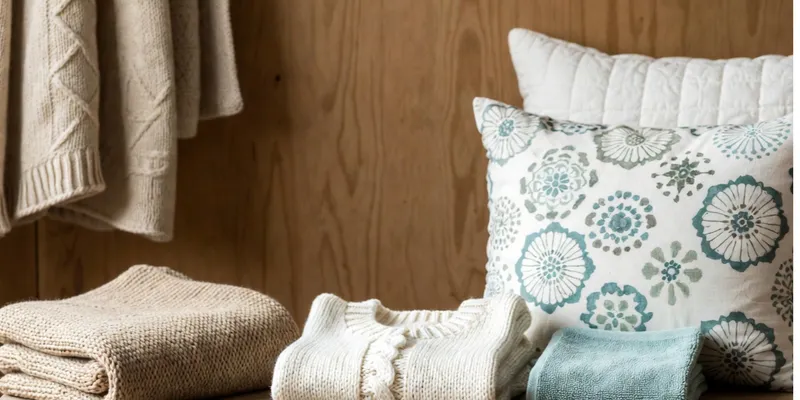
Indian Home textiles have always enjoyed a special market position, and demand continues to increase, capturing a premium to the budgeted market across different markets, but with one constant hunger for extraordinary design, a super comfortable feel, and the appeal of sophistication, along with changing market dynamics. There are always choosy colour shades from varieties of colour pallets, asymmetric and symmetric designs, abstract artwork, and the classy cartoon craze in the kids market. Something trending in designs gets collaborated with home textiles products like curtains, bed sheets and table covers. Today, the home textile segment is not just limited to covering the household requirements but has gone beyond the hotel industry and made its impact even in the local cafés and branded chain restaurants.
Global dynamics are turning the tides of trade; the demand-supply element has got a new twist of the favourable and unfavourable trade agreements and rising friendship and tension between nations. And in this turmoil, we Indians have always had a very good name in the global market, especially for the home textiles sector. The biggest exporters from India have always been on the radar and ranked top in the global market. India’s home textile industry is expected to expand at a CAGR of 8.9% during 2023-32 and reach US$23.32 billion in 2032 from US$10.78 billion in 2023, according to the IBEF report. The prominent players from India are Welspun, Trident, Indo Count, Himatsingka and many more, making their mark in different segments of home textiles.
-300x169.webp?2026-02-25T09:15:13.723Z)
Apart from experimenting with the colour palette, scouring for new designs and inspiration, let us explore the dynamics of new technology. With home textiles, it has been clear that aesthetically pleasing and new inspiration are the driving forces. But purchasing new with every changing trend or moods of the user is not always pocket-friendly. Over time, as the old goods pile up, there comes a tendency to resurface them, and the market may become stagnant.
So, if at all we want to have a bigger share, if at all we want to grow further, then we need to understand that we have to explore other possibilities in home textiles by going for technology like nonwoven, clubbed with other technologies like digital printing and coating to uplift the product to the essential superior technical qualities. Also, many new product categories like disposable home textiles are being developed along with conventional quilting or temporary nonwoven carpets for exhibitions and conferences or even for weddings, need to be explored. With technology in our hands, we can have an edge over other competing countries.
-300x206.webp?2026-02-25T09:15:13.058Z)
The nonwoven applications, clubbed with embossing, patterning or digital printing, can develop beautiful and practically unlimited design possibilities. This technology can produce lightweight home textiles products with aesthetically pleasing designs and Instagram-vibe spaces that will cost much less than the original products and will also be easy to replace and change, giving a hygienic touch. This feature can help hoteliers and restaurants to have new, untouched sets for their guests, especially for products like towels, bed covers, table covers and napkins. Also, there are heavier products made out of needle-punched technology to be used in huge structures like airports, railways, shopping malls, stadiums, sports complexes, etc.
.webp?2026-02-25T09:15:12.368Z)
The simplest yet impactful change through these designs is the embossed napkins that can easily replace the boring tissues that are currently being used, adding not only colour to them but also designs and a unique touch reflecting the vibe of the space/ resonating with owners' thinking. Additionally, they are sturdy and can actually withstand 100 washes in comparison to the traditional tissues. Also, a replacement in kitchen space helps in easier cleaning of the surface without the hassle of later washing and rubbing the original cotton napkins to get rid of the stains and smudges.
Also, more applications can be explored for the development of wallpapers that can uplift the game of the entire space. This wallpaper will not only give a new look to the café/ restaurant of hotel rooms but will also provide an easy cleaning mechanism. This wallpaper can provide the next big fashion makeover to the home furnishings and put new life into the old cafes and restaurants. A vintage look can also be easily incorporated without the hassle of complete remodelling.
These products, with their practical approach, are easy to change, and hence, the new society option for co-working spaces, rented apartments will be keen to invest in such options. The newly migrated working class mostly opt to live in the rented apartments. Obviously, with rising income and time constraints, the working population prefers to rent spaces that are fully furnished. This arrangement is more appealing to them as they need not invest in new décor that will eventually leave them with piles of boxes during their next move. Even the township projects in metro cities are offering fully furnished homes to attract customers by offering fully ready-to-move apartments. Interior designing or revamping one’s home is no longer a phenomenon for the upper-class society. With affordable and classy contemporary designs easily available in retail outlets and online e-commerce websites, the trend for home fashion is just rising day by day. For years, this segment of shopping was meant for only festivals and special occasions, but today it’s like shopping just when the heart desires.
The most important feature of opting for the nonwoven technology in home textiles, apart from the conventional textiles, is the sustainable solution it provides. Nonwoven can be produced from recycled fibres, and with digital printing, a lot of conventional water is saved in design and colour fastening. This provides the option of turning home textiles evergreen and also keeping them ever-growing.
Conclusion:
The journey from 11% to capturing a significant portion can be solely done by enhancing the capacities, but we must look beyond and explore innovative options. Recycling and sustainable labels will remain the changing factor, and hence, a technology in itself that is sustainable with lower operating cost will be the smarter move, reaping higher profits in future. The requirement of conventional home textiles will remain, and so we need to be smarter in sourcing raw materials, adding features of recycling and circularity. Newer fibres like bamboo, banana, and other natural fibres like orange, pineapple, fungi (mycelium), algae and also hemp and jute have seen very good applications due to their inherent properties and have started creating a niche market that demands sustainable home textile products.