H&M
Executive Summary
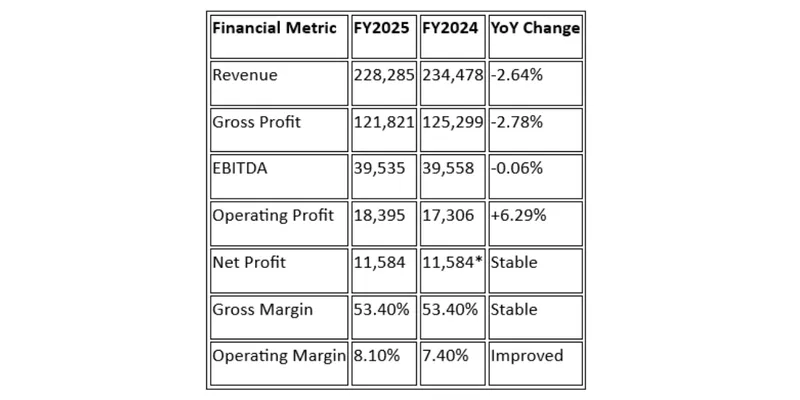
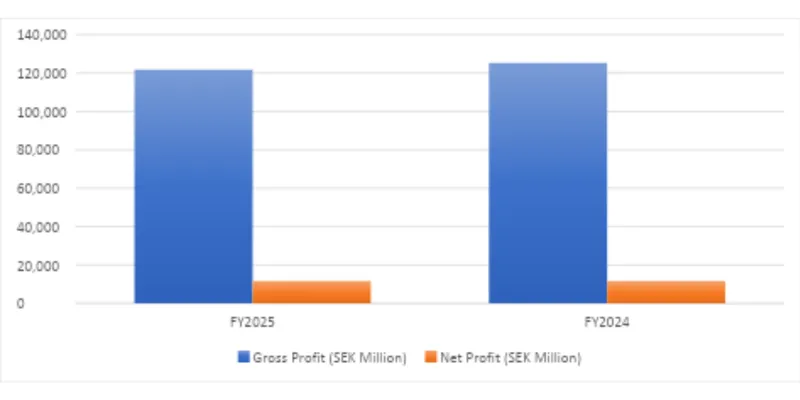
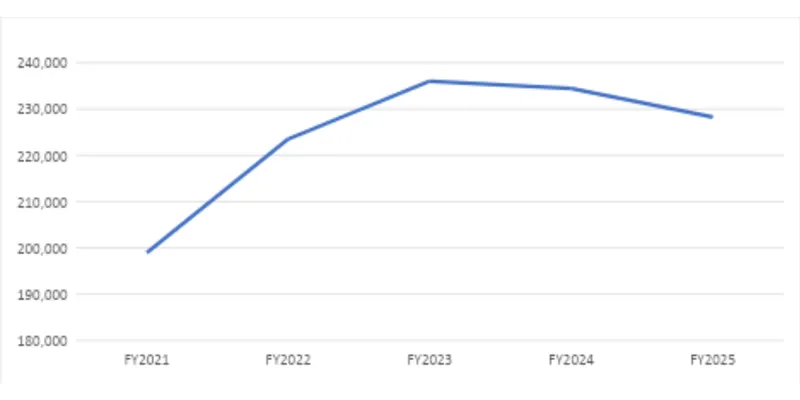
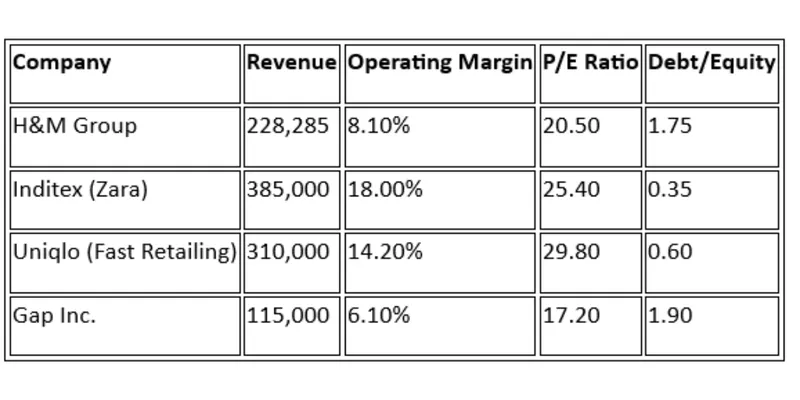
H&M Group is among the world's most dominant online as well as offline clothing suppliers, running businesses with presence in Asia as well as a lot of various regions and North America, and arising market places of Europe. While reporting net revenue worth SEK 228, 285 million, H&M Group recorded a revenue gain of SEK 18, 395 million. The revenue diminished due to currency effects, yet operational income rose thanks to lower running expenses as well as enhanced productivity.
The company remained dedicated towards boosting productivity through digital advancement initiatives, greater management, and environmental initiatives.
Inventory was managed well, which helped boost its earnings during this fiscal year.
Company Overview
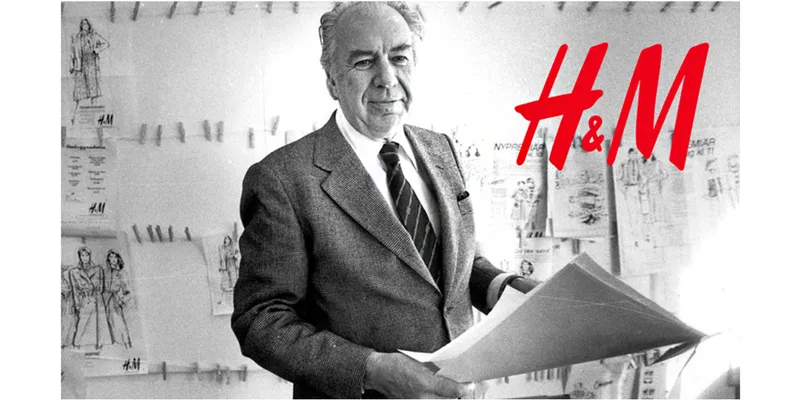
Erling Persson – Founder
Erling Persson founded H&M Group in 1947 in Vsters, Sweden. The firm’s headquarters are in Stockholm, Sweden. H&M operates in some seventy countries through various physical outlets and online platforms.
The apparel, footwear, and accessories available from the company are fashionable and include homeware items and cosmetics marketed via store brands H&M, COS, Monki, Weekday,& Other Stories, and H&M Home.
H&M Group, which stocks a brand listed on the Nasdaq Stockholm Stock Exchange (symbol: HM B), utilises the worldwide physical-store retail pattern together with online business and additionally corporate-owned shops.
Industry Overview
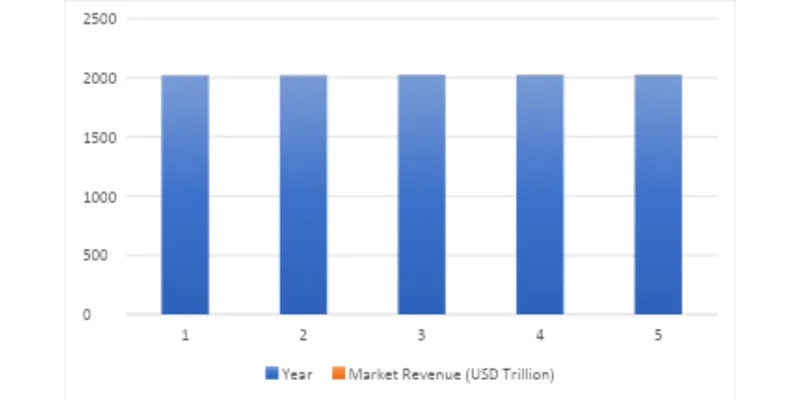
Global apparel and fast-fashion market steady in FY2025. The global apparel and fast fashion market grows steadily over FY2025 thanks to growth of online shopping, fashion trends, and demand for low-cost apparel. The global apparel and fast fashion market is highly competitive, and these companies focus on digital channels, sustainability, and supply chain optimisation. According to a market report, of Global Fashion retail market will be worth beyond the value of USD 1.8tn; the growth drivers come from rising income in the middle class, growth of e-commerce sales channels, and growth of developing markets, etc.
Revenue Segment:
Key Financial Ratios
SWOT Analysis
Strengths | Weaknesses |
|---|---|
Strong global brand recognition | Dependence on fast-fashion business model |
Large international presence | Currency exchange risks |
Strong digital and e-commerce growth | High competition and pricing pressure |
Opportunities | Threats |
|---|---|
Expansion in emerging markets | Increasing sustainability regulations |
Growth in online retail | Competition from Zara and Uniqlo |
Sustainable fashion demand | Economic slowdown and inflation |
Peer / Competitor Comparison
Conclusion
In the first half of the financial year FY2025, in a challenging environment and following shifts in several currencies impacting the results for the period, we sustained stable operations and enhanced profitability, due to a continuously optimised cost base, increased inventory control and an even more efficient supply chain.