Heimtextil as a Working Lab for Sutlej and Its Customers
-800x400.webp?2026-02-25T09:06:59.011Z)
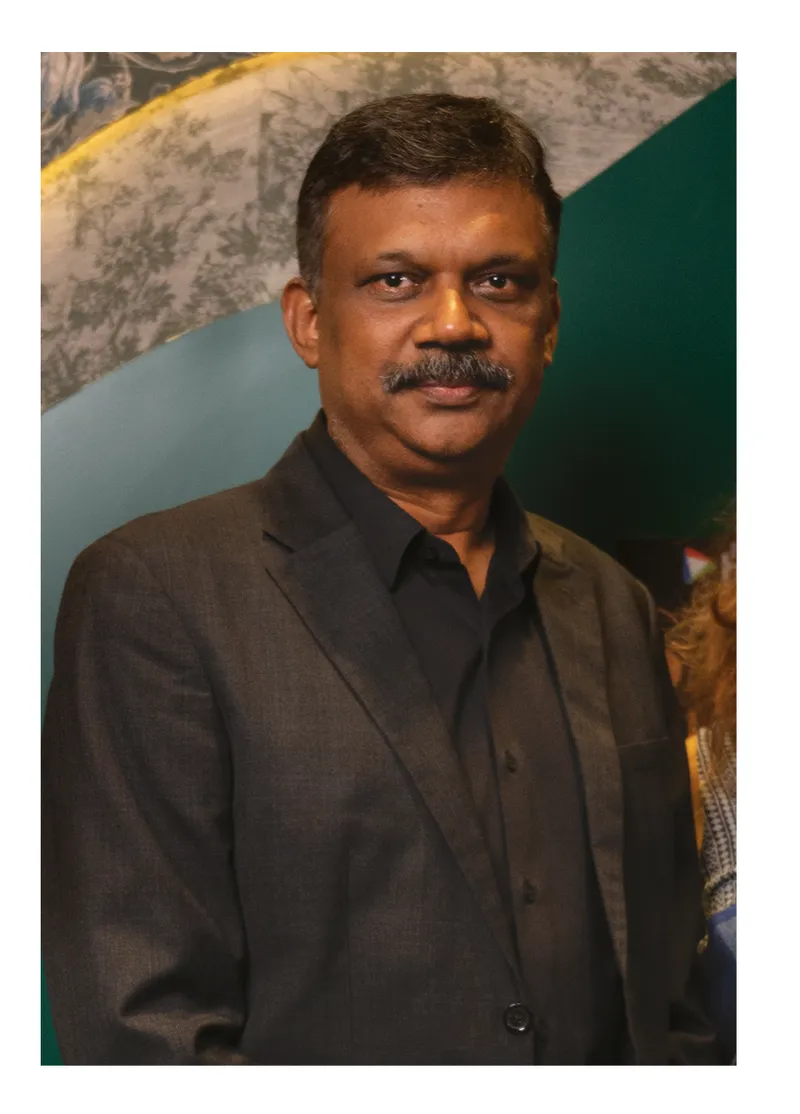
Mr Ashish Kumar Srivastava
Whole Time Director & CEO,
Sutlej Textiles and Industries Limited
.webp?2026-02-25T09:06:57.259Z)
When the global home textiles industry gathers in Frankfurt this January, Sutlej Textiles is approaching Heimtextil with a clear intent: to treat the fair less as a product parade and more as a live development lab with its buyers and partners.
For the company, the yarn and fibre showcase and the home textiles showcase are two sides of one system. One presents what is possible at the level of fibre and yarn engineering. The other translates that capability into finished fabrics for drapery, upholstery, bedding, kitchen and table linen, and accessories. The conversation Sutlej wants to have sits exactly in the space between these two ends of the chain.
-300x325.webp?2026-02-25T09:07:00.216Z)
From Range Display to Problem-Solving
Typical fair participation focuses on the breadth of collections and visual impact. Sutlej is setting up for a different type of engagement. The team is going in with tightly framed questions for buyers, converters, and brands:
● Where are they encountering performance gaps in existing products
● Which sustainability and compliance demands are rising faster than the available material solutions
● How supply chains can be simplified when yarn development and fabric design are aligned from the outset
Ashish Kumar, CEO and Wholetime Director of Sutlej Textiles and Industries Limited, frames it in straightforward terms,
“For us, Heimtextil is where strategy truly meets the shopfloor. We arrive with well-researched hypotheses about the next cycle of home textiles with a strong emphasis on sustainable innovations such as recycled fibres, low-impact dyes, resource-efficient processes, and circular production models, and rigorously test them through deep, meaningful conversations with customers across four intensive days.
At Heimtextil, we go beyond the seasonal question of ‘What do you want to buy this season?’ Instead, we ask: ‘What sustainable, forward-looking solutions should we co-create with you for the next three to five years?’
Through this approach, Sutlej positions itself not just as a supplier, but as a committed strategic partner - one dedicated to driving long-term innovation, shared value, and genuine environmental responsibility together with our customers.”
-300x398.webp?2026-02-25T09:06:59.605Z)
The yarn and fibre portfolio on display is designed to make these discussions specific rather than abstract. Visitors will see linen yarn multifold options, flame-retardant yarns, including recycled FR variants, industrial yarns, and yarns made from agricultural waste. Alongside these sit value-added and blended yarns based on cellulosic regenerated fibres, natural fibres, and other sustainable inputs.
Sutlej is presenting these not as a fixed catalogue, but as a toolkit. Conversations are expected to move quickly into “what if” territory: what if an FR specification needs to sit with a softer drape, what if a buyer wants agricultural waste content at a precise percentage without compromising colour fastness, what if a contract fabric needs both dimout and acoustic benefits. The goal is to leave Heimtextil with development roadmaps and co-created briefs, not only orders for existing articles.
Connecting Yarn Innovation with Real Interior Applications
The home textiles presentation is where these yarn stories meet the realities of interior spaces. Here, Sutlej is showing woven, printed, embroidered, and knitted fabrics across:
● Drapery and sheers
● Upholstery for high-use residential and hospitality seating
● Bedding and coordinated accessories
● Kitchen and table linen
● Home and outdoor accessories
Each group is built around a functional axis. Fire-retardant properties for hospitality and public spaces. Conscious-living requirements that call for recycled or responsibly sourced content. Outdoor durability where UV stability and mildew resistance matter more than seasonal colour. Performance briefs that combine easy care, stain resistance, and long life. Blackout and dimout fabrics for bedrooms, home offices, and hospitality suites.
By placing yarn and fabric stories within a single narrative, Sutlej is inviting visitors to walk the value chain in both directions. A design or sourcing team can start from a finished dimout fabric and trace back to the yarn construction that delivers its fall and opacity. A technical team can begin at the yarn stage and then examine how a particular blend behaves once translated into jacquards, dobbies, prints, or knits.
-300x238.webp?2026-02-25T09:06:58.415Z)
Co-Developing for Compliance, Comfort, and Circularity
Regulation and consumer expectations have raised the bar for everyone in the ecosystem. Flame retardancy, recycled content, traceability, and longer product life are now part of the same specification rather than separate initiatives.
Sutlej’s vertical integration allows the company to address these demands at multiple points. With control over spinning, value-added yarn processes, and fabric development, it can balance:
● Safety requirements such as FR performance and low-toxicity chemistries
● Sustainability goals across recycled inputs, agricultural waste utilisation, and responsible cellulosic fibres
● End-user comfort in terms of handfeel, breathability, and drape
● Lifecycle factors like ease of care, colour retention, and resistance to wear
At Heimtextil, this integrated structure becomes a platform for collaborative projects. A European editor preparing for new regulatory norms can work with Sutlej’s technical and compliance teams at the fair itself, mapping future ranges against emerging rules. A retailer building a “conscious home” concept can sit with yarn and fabric specialists to tune the right balance of natural, regenerated, and recycled fibres for their private-label assortment.
The stands are being organised to support these working sessions, with swatches, construction details, and fibre stories accessible for quick, informed decisions.
-300x318.webp?2026-02-25T09:06:57.830Z)
Heimtextil as a Prototype Cycle
For Sutlej, the real outcome of Heimtextil lies in the ideas that move from conversation to configuration during the event. The company views the fair as a compressed prototype cycle.
A new blackout range can be outlined at the fabric area, refined through discussions with yarn technologists, and carried back as a defined development mandate. An enquiry for a more sustainable industrial yarn can be matched with agricultural waste and recycled FR options already under production. Insights from these interactions then feed back into Sutlej’s Yarn Development Centres and home textile design teams.
In practice, that turns Heimtextil into more than a showcase of finished collections. It becomes a working laboratory where global market signals, fibre innovation, and interior design requirements are brought together in real time. For customers, it offers a space not only to source what exists today, but to help shape the next generation of yarns and fabrics that will define future homes and hospitality spaces.