Gujarat Textile Industry Faces Possible Early Diwali Shutdown Amid 45% Yarn Price Rise
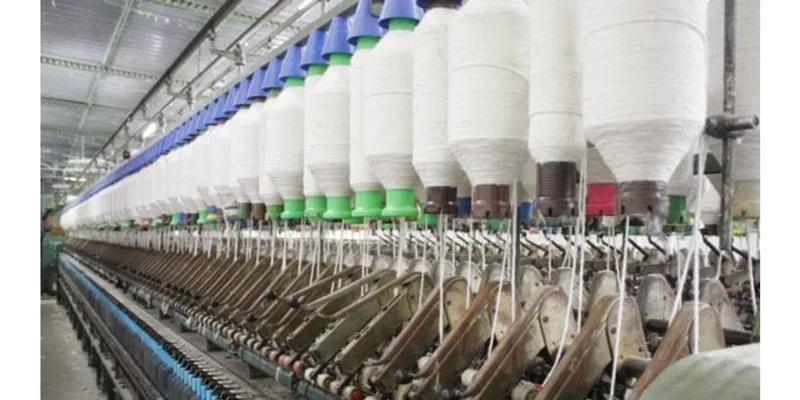
Surat’s weaving units are facing mounting pressure from higher raw material costs, weak fabric demand, unsold inventory and delayed payments, with some factories potentially closing up to 15 days earlier than usual.
The textile industry in Gujarat is facing the possibility of an early shutdown ahead of Diwali as yarn prices have increased by 40% to 45% since June, while demand for finished fabrics remains weak.
In Surat, one of India's major textile manufacturing hubs, rising production costs and slow payments are putting pressure on weaving businesses. Industry representatives warn that some factories may shut their looms around 15 days earlier than usual if market conditions do not improve.
Rising Yarn Prices Put Pressure on Weaving Units
Yarn is a key raw material for Surat's weaving industry, which supplies fabrics to domestic and export markets. The sharp rise in yarn prices has increased production costs, while manufacturers have struggled to raise fabric selling prices at the same pace.
The widening gap between input costs and selling prices is squeezing manufacturers' already thin margins. According to industry representatives, some small weaving units have begun reducing production and observing weekly holidays to limit losses.
If the situation persists, some factories could remain closed for a month or longer during the Diwali period.
Weak Fabric Demand and Delayed Payments Deepen Concerns
The industry is facing pressure from both higher yarn prices and inadequate returns from grey fabric and finished textiles.
As unsold inventories accumulate, delayed payments from buyers are restricting manufacturers' working capital. This is making it harder for businesses to pay suppliers, workers and other operating expenses.
Smaller weaving units are particularly vulnerable because they have limited financial reserves to absorb prolonged losses. An extended shutdown could also affect workers, traders, transport operators and other businesses connected to Surat's textile supply chain.
Weavers Call for Government Intervention
Textile industry representatives have urged the government to monitor yarn prices and address what they describe as artificial price increases by spinners.
They have also called for domestic weavers to receive yarn at internationally competitive free-on-board (FOB) rates, a pricing arrangement associated with goods supplied for export.
Industry representatives believe that more competitive raw material prices could help reduce production costs and support a return to normal operations.
Outlook for Gujarat's Textile Sector
The potential shutdown highlights the challenges manufacturers face when raw material costs rise faster than selling prices. If these pressures continue, production activity, festive-season fabric supplies and businesses across Surat's textile supply chain could face further disruption.
Stabilising yarn prices, improving cash flow and reviving demand for finished fabrics remain key concerns for the industry ahead of Diwali. The extent of any shutdown will depend on how market conditions develop in the coming weeks.