GST 2.0 Paving the Way for Growth and Competitiveness
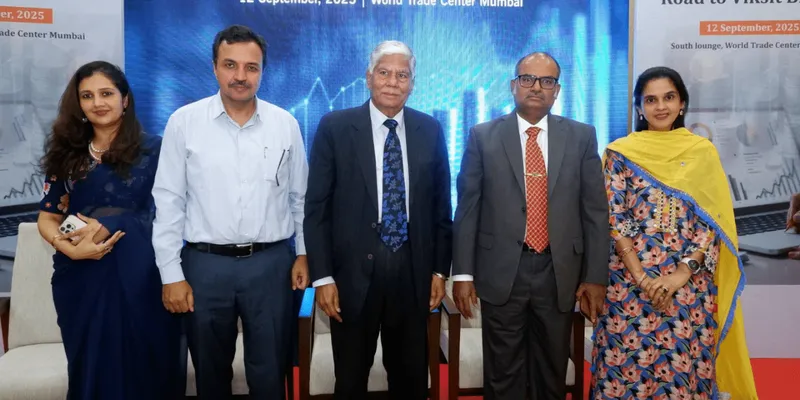
The All India Industries Association (AIAI) and World Trade Centre Mumbai (WTC) jointly organized a session on “GST 2.0: Road to Viksit Bharat” on September 12, 2025. The event was attended by senior tax officials from both the Centre and States, leading tax experts, business community members, and distinguished dignitaries.
The session comes against the backdrop of the recent GST rate rationalization exercise, moving towards a more simplified indirect tax system. Shri K.R. Uday Bhaskar, Principal Chief Commissioner, CGST, Central Zone, noted that the GST Council has been consistently meeting at an average interval of 55 days. He stated that GST is now beginning to pay dividends, with the taxpayer base increasing from 66.5 lakh in 2017 to 1.53 crore in 2025. The system recorded its highest-ever revenue collection of ₹22.08 lakh crore, with Maharashtra contributing ₹7.5 lakh crore, representing 21% of the total.
He emphasized that the consistent rise in revenue collections and the growing base of active taxpayers reflects greater formalization of the economy and increasing confidence among businesses. He called for inputs from all stakeholders to fine-tune the system further and stressed that rate rationalization covered 391 tariff lines for goods and 15 for services, aimed at aligning with current export scenarios. He highlighted three pillars of reform—structural reforms like inverted duty correction and classification issue resolution, rate rationalization to reduce slabs, and ease of living for taxpayers.
Shri Asheesh Sharma, Commissioner of State Tax, GST Department, Government of Maharashtra, added that the reforms go beyond rate reduction and involve rationalization, with 3 to 4 times more items covered than before. He highlighted that GST Council is focusing on system-driven monitoring and checks and balances to benefit the economy. He emphasized that correcting the inverted duty structure would help key sectors, particularly MSMEs, by improving liquidity. He pointed out that revenue considerations involve Centre, States, and Consumers and stressed that multiple tax rates create unnecessary complexity, calling for reforms that simplify compliance and enable next-generation growth.
Adding to this, Ms. Anindita Chatterjee of TCN Global Economic and Advisory Services LLP, in a video presentation, urged that rationalization should focus on end-use consumers and income levels. She called for urgent implementation of Anti-Profiteering mechanisms to ensure benefits reach consumers.
Ms. Ragini Tulsian, a leading tax expert, advised companies to consider tax-inclusive contracts and recalibration of accounts to prepare for future reforms.
Dr. Vijay Kalantri, President of AIAI and Chairman of MVIRDC WTC Mumbai, stressed industry expectations around capacity building, cost reduction, and competitiveness to boost growth and exports. He highlighted that MSMEs contribute nearly 30% of GDP and employ 60% of the workforce, noting that lowering GST rates has spurred private consumption (60% of GDP). He called the reforms timely in addressing global uncertainties and reiterated WTC Mumbai’s commitment to supporting industry growth.
The session concluded with an interactive Q&A session, followed by a vote of thanks by Ms. Sangeeta Jain, Senior Director, AIAI, who expressed gratitude to all guests, dignitaries, and participants.