Government Forms Six Sectoral Groups to Identify Products for Import Substitution
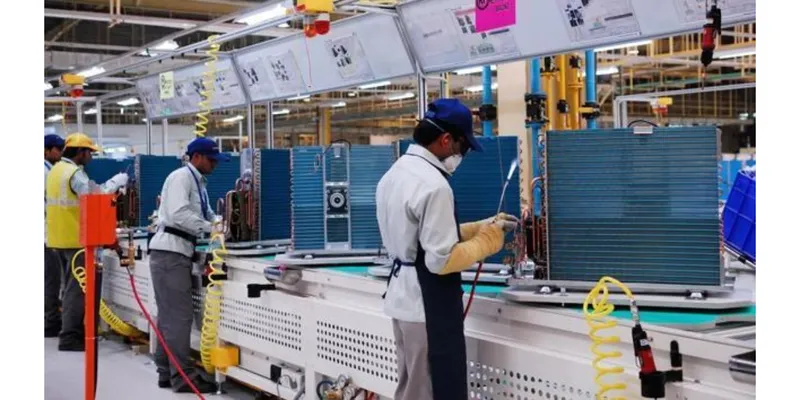
Working groups to examine up to 100 products and recommend measures to strengthen domestic manufacturing and localisation
The government has established six sector-specific working groups tasked with identifying up to 100 products for increased domestic manufacturing and reduced import dependence.
The groups will be chaired by the Secretary in the Department for Promotion of Industry and Internal Trade (DPIIT) and will focus on the following sectors:
- Pharmaceuticals, biotech and medical devices
- Chemicals and petrochemicals, textiles and footwear
- Capital goods, automotive and electric vehicles, and advanced capital goods
- Energy
- Construction equipment and infrastructure
- Defence and aerospace (limited to items with civilian applicability) and electronics
According to an official, the working groups will deliberate on the products proposed for indigenisation and prepare sector-wise recommendations.
“The working groups will deliberate on the list of items to be included for indigenisation,” said an official, adding that the final list from each group would be submitted to the Cabinet Secretariat within three weeks.
The initiative is aimed at identifying opportunities to strengthen domestic manufacturing capabilities and reduce reliance on imports in strategic sectors.
The working groups will include members from various ministries and NITI Aayog. Their mandate includes identifying potential barriers to indigenisation and examining issues such as input availability, skill gaps and inverted duty structures.
The groups are also expected to recommend the preferred mode of government support, including Production Linked Incentive (PLI) schemes, demand guarantees and subsidy mechanisms.
According to earlier reports, the government is examining around 500 products where localisation levels can be increased. These products include machinery, fertilisers, chemicals, cotton staple fibre, plastics and carbon fibres.
The findings and recommendations from the sectoral groups will be used to support the government’s broader localisation and domestic manufacturing objectives.