Government and RBI Measures Aim to Strengthen MSME Financing and Compliance
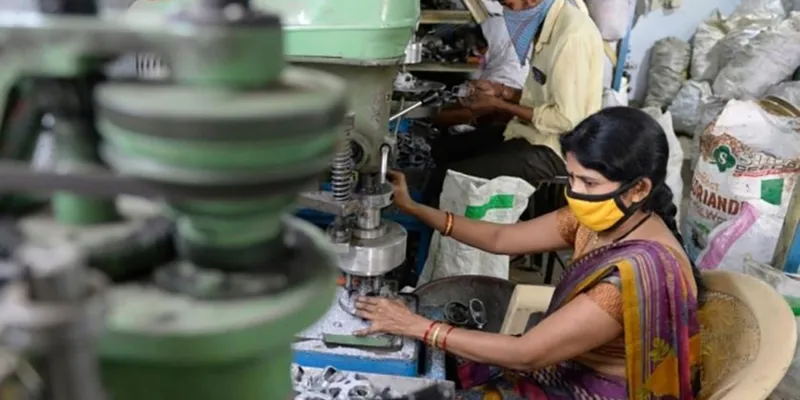
Legal reforms, easier receivables financing and digital lending initiatives seek to improve the operating environment for small businesses
The past week marked a series of policy developments for micro, small and medium enterprises (MSMEs) in India, with the government proposing changes to the legal framework governing the sector and the Reserve Bank of India (RBI) introducing measures to improve access to finance.
The government plans to amend the existing legal framework for MSMEs to address issues related to delayed payments, dispute resolution, minor penalties and compliance requirements. The proposed amendments are expected to be introduced during the Monsoon Session of Parliament, scheduled to begin on 21 July.
Under the existing mechanism, disputes arising from delayed claim payments require MSMEs to first file complaints with Micro and Small Enterprise Facilitation Councils in state capitals. These councils verify complaints before referring disputes for out-of-court settlement through mediation and conciliation. If unresolved, the matter proceeds to arbitration, a process that can extend the resolution timeline.
Separately, the RBI has eased onboarding norms for small businesses using Trade Receivables Discounting System (TReDS) platforms. MSMEs often face liquidity constraints due to delays in converting receivables into working capital. TReDS enables businesses to discount invoices and obtain immediate funding from banks and non-bank financiers without collateral.
The revised framework, which takes effect immediately, is intended to improve system efficiency and simplify compliance. Under the changes, capital requirements for authorised entities have been aligned with those applicable to other non-bank payment system operators. The onboarding process for MSME sellers has also been simplified, while financiers have been permitted to avail credit guarantee cover for exposures on TReDS.
Globally, MSMEs account for 90% of businesses and nearly half of the world's employment. In India, the sector contributes 31% of GDP, accounts for nearly 50% of merchandise exports, and provides employment to more than 320 million people.
Over the years, government initiatives such as Mudra (Micro Units Development and Refinance Agency) and CGTMSE (Credit Guarantee Fund Trust for Micro and Small Enterprises) have supported greater access to formal credit. Loans extended to the MSME sector have grown at a compound annual rate of 15% over the past five years, compared with 13.7% growth in overall bank credit during the same period.
Technology-enabled platforms such as the Unified Lending Interface (ULI) are also expanding digital access to finance. The platform enables lenders to assess MSME borrowers using digital records including GST filings, bank statements, utility records and land records, based on borrower consent, reducing dependence on physical documentation and verification.
Despite their economic contribution, MSMEs continue to face challenges including limited access to finance, weak integration into regional and global value chains, and constraints in adopting new technologies. The sector also remains vulnerable to economic and external shocks.
The recent initiatives by the government and the RBI are intended to strengthen the resilience and competitiveness of MSMEs while supporting improvements in financing, compliance and operational efficiency.