Global Glass Fiber Textile Market to Hit $12.5B by 2032
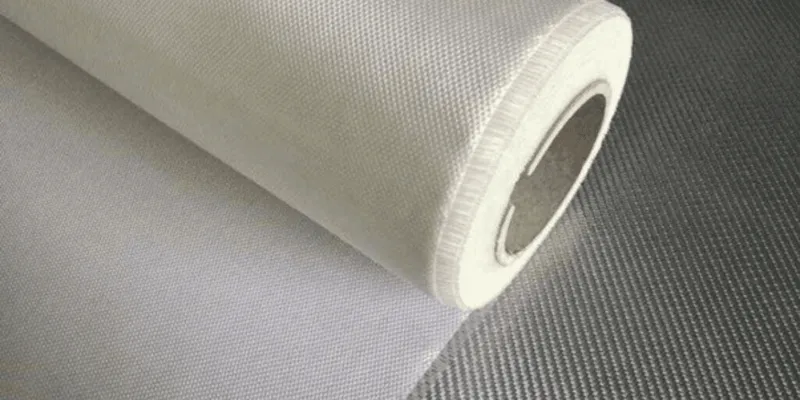
Glassmakers throughout history have experimented with glass fibers, from ancient Egyptians making vessels by winding glass fibers on a rim of clay to 16th and 17th century Venetian glassmakers decorating dishes by bundles of white, opaque fibers. However, mass manufacture of glass fiber was only made possible with the invention of finer machine tooling, with recent experiments aimed at manufacturing glass fibers with enhanced attributes.
The glass fiber textiles market is growing rapidly, with market experts suggesting a surge from the current valuation of USD 8.5 billion in 2023 to USD 12.5 billion in 2032. The global push for high-performance and, more importantly, sustainable materials is building the foundation on which the market will stand for the next decade. From automotive and aerospace to construction and renewable energy, glass fiber textiles are revolutionizing the way that products are designed and manufactured. Prized for their strength, resistance to heat and corrosion, and the ability to improve the efficiency and longevity of various applications, the sector is quickly gaining traction, reflecting a compound annual growth rate (CAGR) of 4.2%.
What are the reasons behind the popularity of glass fiber textiles?
Glass fiber textiles are known for their high tensile strength and strength-to-weight ratios, durability, and resistance to various forms of corrosion and high temperatures. Industries such as construction, automotive, and aerospace are always looking for technologically advanced materials that can be used to reinforce the strength of their components, achieve sustainability milestones, and help reach financial targets. In the construction industry, glass fiber textiles are used to reinforce concrete, roofing, and flooring, while they are used in the automotive industry to execute the industry-wide aim of producing lightweight vehicles for improved fuel efficiency. The rise of the aerospace industry due to increased air travel and defense expenditures has further led to an increased demand for glass fiber textiles.
What are the major segments in the glass fiber textiles market?
The market for glass fiber textiles is majorly segmented by different product types, applications, and end-users. Woven glass fiber textiles are preferred in structural applications as these avenues require materials with high strength and rigidity. Non-woven textiles are preferred in filtration and insulation applications (especially in electronics and marine) as these types of glass fibers are flexible and lightweight, allowing them to effectively conform to complex shapes, provide excellent thermal and acoustic insulation, and enhance the efficiency of filtration systems by offering superior airflow and particle retention. The market is also seeing a rise in specialty fabrics that are customized for specific applications in accordance with the application needs.
How are different regions faring in the glass fiber textiles market?
Asia Pacific dominates the market due to the rapid industrialization and urbanization taking place in the recent years. The demand for glass fiber textile in countries such as China, India, Japan, and South Korea is growing in the construction and automotive industries, which in turn, is driving the need for these textiles. It is with good reason that the market in Asia Pacific is projected to expand at a CAGR of 5% during the forecast period.
Some of the other regions expected to see a steady growth are North America and Europe. North America boasts of well-established automotive and aerospace industries that are focused on incorporating lightweight materials and improving fuel efficiency, with a rigid respect to realizing sustainability and energy-efficiency goals. Europe, on the other hand, is focusing on renewable energy and sustainable building practices to be in compliance with directives from regulatory bodies. Europe-based companies, particularly the ones in automotive and aerospace industries, are dedicating themselves to market avenues offering innovation and advanced manufacturing technological capabilities.
What are some of the opportunities and challenges in the market?
The glass fiber textile market is brimming with multiple opportunities. Global industries like construction, automotive, aerospace, electrical & electronics, and marine are all clamoring for high-performance and lightweight materials. Companies that can offer glass fiber textiles with enhanced attributes, such as improved durability or strength, stand an excellent chance to grow and take a foothold in the market. Moreover, the growing focus on sustainability and environmentally friendly materials is providing manufacturers the opportunity to make a name for themselves, given that glass fiber textiles are mainly made from silica, a material that is plentiful in nature. Glass fabrics are known to have low embodied energy, meaning that they require less energy than other materials, contributing to a lower overall environmental footprint.
Even though glass fiber textiles offer lucrative opportunities, the market faces fierce competition from alternative materials. The competition from materials like carbon fiber and other natural fiber composites is a significant challenge, as these alternative materials offer similar properties and advantages. Carbon fibers and aramid fibers (like Kevlar) offer a high strength-to-weight ratio, making them a strong competitor in applications where lightweight performance is crucial, offsetting the cost-effectiveness of glass fiber textiles. Hemp is being explored as a potential alternative to glass fibers for its sustainability attributes. Thus, manufacturers are forced to innovate and differentiate their products to stay market-competitive.
What are the major competitors doing in the market?
The competitive landscape of the glass fiber textiles market is actively marked by the presence of major key players. These players are focused on innovation, product development, and strategic partnerships to maintain their competitive edge. The intense competition in the market stems from variations in product quality and the ability to meet personalized client needs in the market. The market environment is such that companies are investing in research efforts to develop advanced glass fiber textiles with enhanced attributes, a standout product that allows them to separate themselves from the competition under them.
Companies such as Owens Corning, Saint-Gobain, Jushi Group, PPG Industries, and Nippon Electric Glass Co., Ltd. are some of the major market players. These companies have a domineering market presence and are zeroed in on expanding their product portfolios and enhancing their manufacturing capabilities to meet the growing demand. The companies further undertake several strategic initiatives (market expansion, product innovation, operational efficiency, or digital transformation), investments into R&D, and collaborations with key end-users to improve their competitive edge, accelerate the development of advanced materials, meet evolving consumer demands, and drive sustainable growth in the rapidly expanding glass giber textiles market.
Why is this important to you?
The glass fiber textiles market is important because it plays a critical role in a wide range of industries that impact everyday life, from construction to transportation, electronics, and even renewable energy. Glass fiber textiles are central to future advancements in areas such as technology, sustainability, and innovation in materials. The market influences a variety of fields that are reshaping the way we live, work, and consume resources. Whether you are looking at it from a business, sustainability, or technological perspective, it is a space with long-term relevance and potential.